R Ashwin Defends Hardik Pandya Amidst Social Media Backlash and IPL Struggles
The Weight of Leadership and Public Scrutiny
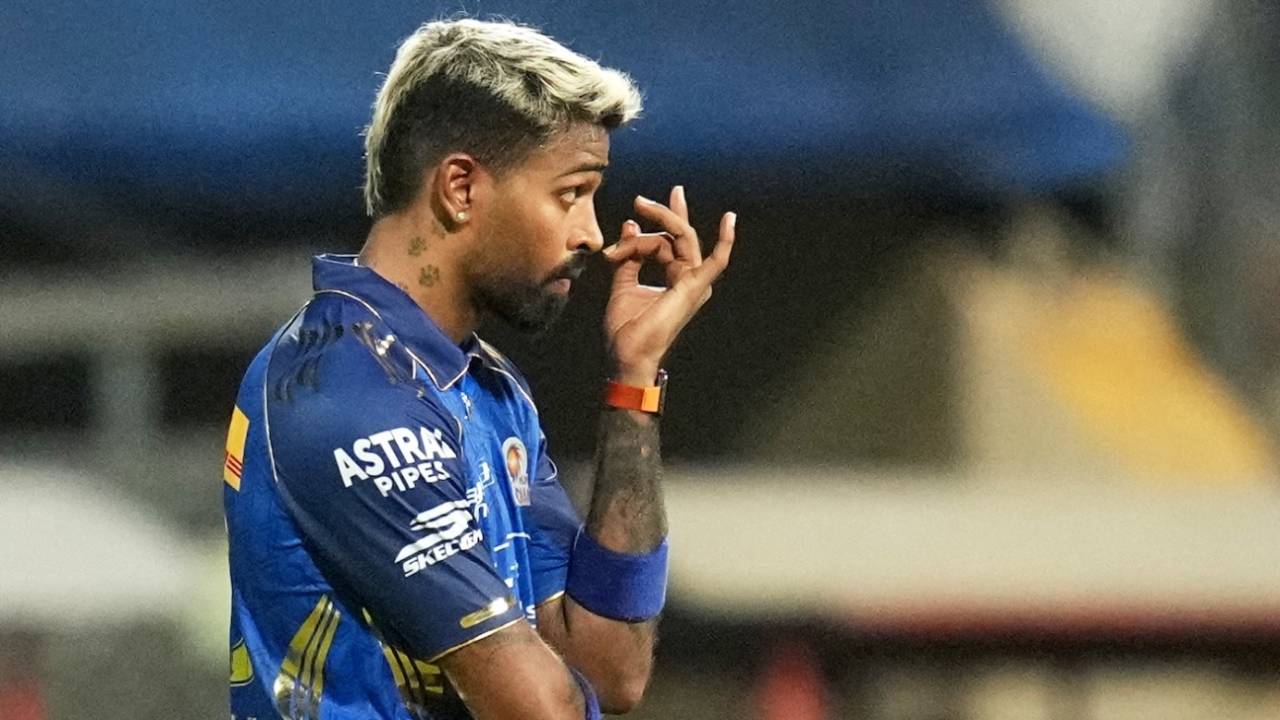
The life of an elite cricketer is often a double-edged sword, and for Hardik Pandya, the 2024 Indian Premier League (IPL) season has been arguably the most testing period of his career. Since moving from the Gujarat Titans to take the reins at the Mumbai Indians, Pandya has found himself at the center of a storm. From vocal fan dissatisfaction in stadiums across India to an unrelenting barrage of commentary on social media, the scrutiny has been relentless.
Amidst this atmosphere, veteran Indian spinner R Ashwin has stepped forward to offer a grounded perspective. Addressing the intense backlash Pandya has faced, Ashwin emphasizes that in the current digital climate, a player must develop a metaphorical thick skin to survive the noise.
The Challenges of Replacing an Icon
Ashwin highlights the immense difficulty of the transition Hardik faced upon joining Mumbai. Taking over the captaincy from a figure as revered as Rohit Sharma—who led the franchise to five IPL titles and remains a national icon—was always going to be an uphill task. “You’ve got a lot of fandom going around in the country,” Ashwin noted during an appearance on ESPNcricinfo TimeOut. “You should have a thick skin to survive the social media these days.”
However, Ashwin is quick to caution against using Hardik as a scapegoat for the collective failure of the Mumbai Indians this year. He argues that blaming a captain for a team’s poor performance is often reductive. “When you have seasons like this, to pin the blame on the captain is quite unfair. Nobody has turned up. The team has failed to turn up, and for Hardik to take the blame on himself is… you’re asking him to do a little too much,” he added.
Analyzing the Performance Gap
The stats for the 2024 campaign paint a clear picture of collective underperformance. Pandya, a player usually known for his explosive batting and handy medium-pace bowling, struggled for consistency, averaging 20.85 with the bat and taking only four wickets. Yet, Ashwin points out that key stars like Suryakumar Yadav and Jasprit Bumrah also faced uncharacteristically mediocre runs. When the entire team struggles, the captain’s tactical decisions are invariably viewed through a cynical lens, regardless of the underlying team form.
Physical Concerns and Technical Adjustments
While Ashwin defends Pandya’s leadership, he does express genuine concern regarding the player’s physical well-being. Observations during the season showed a noticeable delay in Pandya’s timing against hard-length deliveries—an area where he has historically been dominant.
“With his batting, I found something quite interesting and strange, which is how late he’s been on the ball,” Ashwin observed. “Is he going through something physically? We wouldn’t be able to know that… but he’s been late on the hard-length deliveries. He’s not someone who’s going to miss hard-length deliveries. He hits it 15 rows back.”
Whether this is due to a lingering back issue—which recently forced him to miss several matches—or a need to recalibrate his equipment, remains a question mark. Nevertheless, Ashwin maintains that Hardik remains a “once-in-a-generation player.”
Looking Ahead: Resilience and Perspective
As the Mumbai Indians look to rebuild, the consensus from experienced observers like Ashwin is that the focus should remain on long-term recovery rather than immediate public judgment. Ashwin suggests that Pandya, who prefers to remain in his own zone, is resilient enough to bounce back. The key for the Mumbai captain will be to tune out the external noise, address his physical condition, and return to the form that made him a linchpin of India’s T20 success. In cricket, as in life, the ability to weather the storm is just as vital as the ability to perform on the pitch.