Why Rohit Sharma Is A Complete No Go For Mumbai Indians’ Captaincy? – Why Rohit Sharma Should Not Return as Mumbai Indians Captain
The Captaincy Conundrum at Mumbai Indians
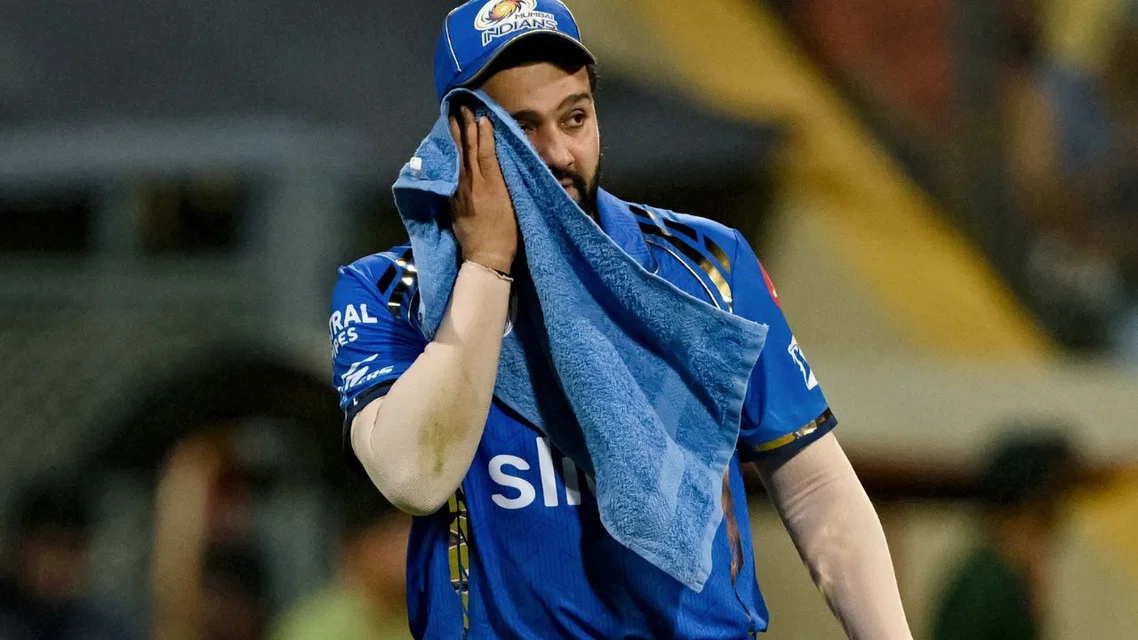
Rohit Sharma is undeniably one of the greatest captains in the history of the Indian Premier League. As the architect of Mumbai Indians’ golden era, he transformed the franchise into a formidable championship machine, securing five titles along the way. However, in the high-stakes, fast-paced environment of modern T20 cricket, legacy alone cannot dictate management strategy. With recent reports suggesting Hardik Pandya may not continue as captain, the conversation has predictably turned toward a potential homecoming for Rohit. Despite the emotional weight of such a decision, a cold, hard look at the facts suggests that bringing Rohit back into the leadership fold would be a step backward for the franchise.
1. The Batting Performance Dilemma
Perhaps the most significant concern regarding Rohit Sharma’s recent IPL tenure is his individual output with the bat. For nearly a decade, the veteran opener has struggled to hit the heights expected of a player of his caliber. Statistically, the absence of a 600-run season in his entire IPL career is a glaring omission for a top-order cornerstone. The last time Rohit managed to surpass 500 runs in a single campaign was way back in 2013.
In the contemporary IPL landscape, where top-tier teams rely on consistent, high-impact contributions from their openers—exemplified by the likes of Virat Kohli, Shubman Gill, and young talents like Abhishek Sharma and Vaibhav Sooryavanshi—Rohit’s lack of consistency becomes a structural issue. Furthermore, his strike rate has rarely reached the explosive levels required to dictate terms in the modern era. Having only crossed a 150 strike rate in one of the last five seasons, the added pressure of captaincy would likely only compound these difficulties rather than resolve them.
2. The Need for Long-Term Strategy
Mumbai Indians have historically been successful because of their foresight and ability to identify future trends earlier than their competitors. When the franchise moved on from Rohit to Hardik Pandya, they signaled a clear intent to pivot toward a younger leadership core. Whether or not that specific transition has yielded the desired results immediately, the underlying philosophy remains sound: the team must build for the future.
Rohit Sharma is now 39 and approaching the age of 40. With another major IPL mega auction cycle looming in 2028, it is logistically impossible to build a long-term foundation around a player in the twilight of his career. The franchise requires a captain who can oversee this next phase of development. Relying on an older player, regardless of past glory, is a short-term band-aid that delays the inevitable transition process that Mumbai Indians must eventually complete to regain their status as league leaders.
3. The Post-2020 Captaincy Record
While the five trophies in his cabinet are legendary, it is essential to contextualize the later years of Rohit’s captaincy. Following the 2020 triumph, the Mumbai Indians endured three consecutive seasons (2021-2023) without silverware. During this period, the team struggled to replenish its talent pool effectively as stalwarts like Lasith Malinga and Kieron Pollard departed. The decline was evident, and the difficulties of the transition phase were already manifesting well before the captaincy was eventually handed to Hardik Pandya.
The trophy drought has now stretched to six years. While Hardik Pandya has faced his own challenges at the helm, it is inaccurate to suggest that the team was flourishing right up until the leadership change. The decline began under the previous regime, and the team’s struggles in finding a winning formula are deeper than simply who sits in the captain’s chair. Bringing back an older captain, who was at the helm during the onset of this stagnant period, would be an emotional gamble rather than a calculated strategic maneuver. For Mumbai Indians to return to their former glory, they must stay the course of renewal rather than looking in the rearview mirror.