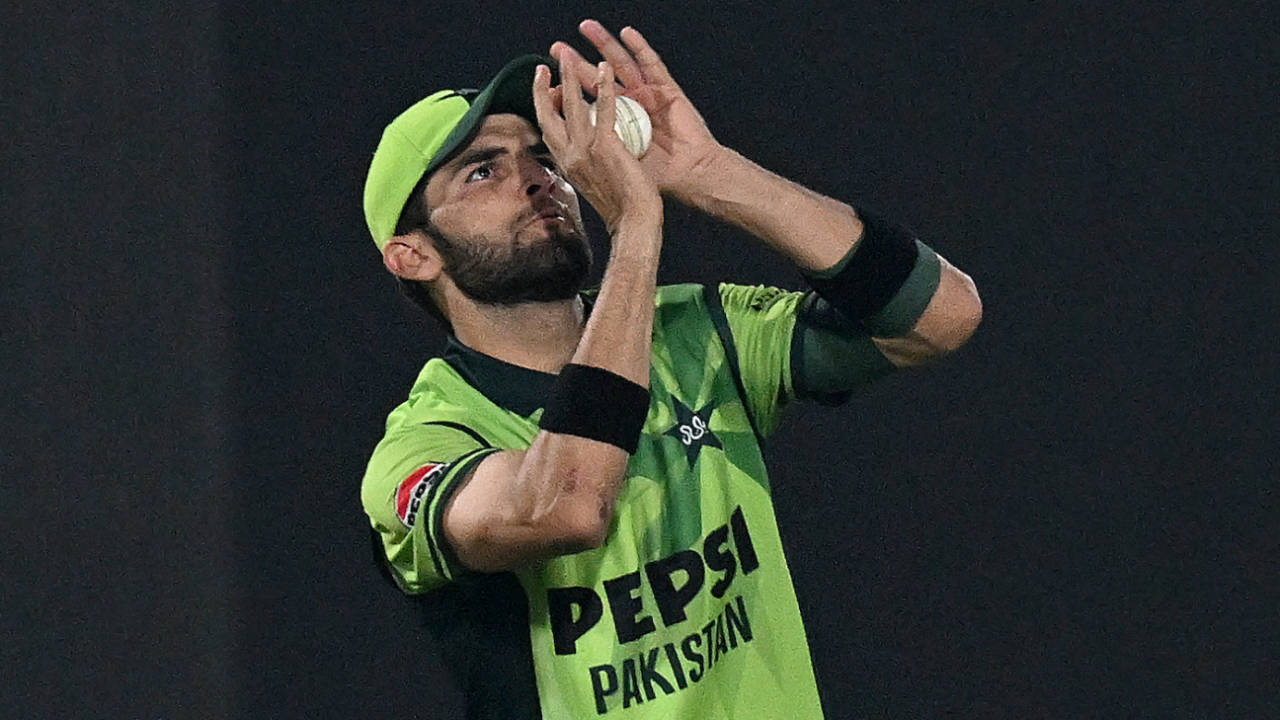
Shaheen Afridi on Pakistan quicks losing speed: ‘Machines deteriorate with time’ – Shaheen Afridi Addresses Pakistan’s Declining Bowling Pace
The Quest to Restore Pakistan’s Pace Legacy
Pakistan cricket has long been synonymous with raw, terrifying speed. From the days of Imran Khan to the era of Shoaib Akhtar, the nation has prided itself on producing express fast bowlers who can unsettle the best batters in the world. However, a troubling trend has emerged recently: the speed guns are recording significantly lower numbers for Pakistan’s current crop of quicks. Ahead of their upcoming ODI series against Australia, captain Shaheen Shah Afridi has stepped forward to address the elephant in the room.
The scrutiny reached a boiling point following a lackluster performance in the Test series against Bangladesh. While the visitors consistently clocked speeds in the high-130s and mid-140s, the Pakistani attack struggled, often languishing in the mid-120s to low-130s. This decline has not only affected their ability to take wickets but has also raised questions about the long-term physical management of the team’s premier assets.
The “Machines Deteriorate” Reality
Shaheen Afridi, who has faced his own challenges with form and speed following a significant knee injury in 2022, offered a pragmatic perspective on the physical demands of international cricket. Comparing the human body to machinery, he noted that constant exposure to the highest levels of competitive sport inevitably leads to wear and tear.
“It is a norm that machines deteriorate with time,” Afridi remarked. “We are trying to recharge ourselves. You can put more pace in the ball when your body has had rest, but our bodies remain always at Pakistan’s disposal.” This statement highlights a structural issue: the relentless schedule of international cricket leaves little room for the recovery needed to maintain top-end velocity.
The National Cricket Academy (NCA) is currently spearheading a program aimed at load management and rehabilitation, with the ultimate goal of helping bowlers regain their peak pace. By rotating players across formats, the coaching staff hopes to ensure that when a bowler steps onto the field, they are physically primed to deliver at maximum intensity.
Lessons from the Rising Stars
When questioned about the success of Bangladesh’s Nahid Rana—who showcased impressive pace during their recent tour—Afridi was quick to point out the difference in experience. Rana, being a relatively fresh face on the international circuit, brings an energy and lack of physical mileage that seasoned veterans like himself are currently struggling to replicate. For the Pakistani setup, the focus is now on balancing the introduction of fresh talent with the recovery of established stars.
Clarity on Mohammad Rizwan‘s Omission
Beyond the bowling concerns, the exclusion of wicketkeeper-batter Mohammad Rizwan from the ODI squad has been a major talking point. Despite being one of Pakistan’s most consistent performers with the bat in the current cycle, averaging over 42, his absence has sparked rumors about his future in the format. Afridi dismissed the speculation, suggesting that the move is part of a broader strategy to widen the talent pool.
“I would suggest you not to jump to conclusions,” Afridi stated. “Babar and I were also dropped from the team but we are back. I have spoken to Rizwan about it. It is not as if his cricket is finished just because he has been dropped for this series.”
The selectors are clearly prioritizing the next 16 months leading up to the ODI World Cup. By giving opportunities to youngsters like Rohail Nazir, Arafat Minhas, and Ahmed Danyal, the management hopes to build a robust squad capable of depth and durability. As the series progresses in Lahore, the focus will remain on whether these tactical shifts can pay dividends for a team currently in a transitional phase.
Looking Ahead
The challenge for Pakistan is clear: reconcile the rich history of their pace-dominated past with the physical realities of modern, high-frequency scheduling. With the support of the NCA and a clear vision from the leadership, the team hopes to find that elusive balance. Whether this plan will yield the desired pace increase remains to be seen, but for now, the message from the captain is one of patience and structural refinement.