MJK Smith: England & Warwickshire Cricket Legend Passes Away at 92
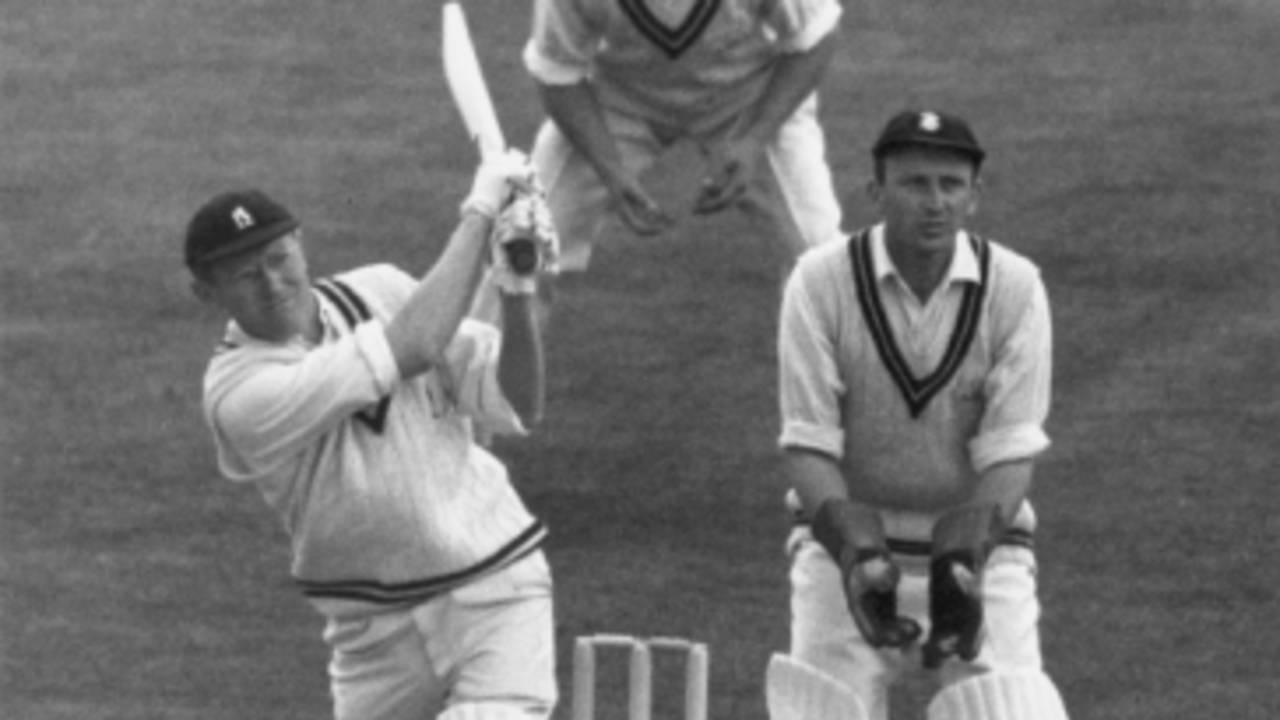
English cricket mourns the loss of one of its most distinguished figures, MJK Smith, who passed away peacefully at the age of 92. A revered captain for both England and Warwickshire, Smith’s career was a testament to his immense talent, unwavering dedication, and astute leadership. His contributions to the sport, both on and off the field, have left an indelible mark, ensuring his place among the legends of the game.
A Distinguished Sporting Life: From Oxford to Dual International Honours
Born in 1933, Michael John Kendall Smith emerged from the reputable Stamford School and went on to study at Oxford University, embodying the classic amateur-gentleman cricketer of his era. Yet, Smith was far from just a cricketing talent; he was a rare dual international, showcasing remarkable athletic versatility. As a formidable fly-half, he represented Oxford University and Leicestershire in rugby union, even earning a coveted one-off England cap against Wales in 1956. This extraordinary achievement underscored a sporting prowess that transcended a single discipline, a testament to his natural athleticism and competitive spirit. His ability to excel at the highest level in two demanding sports speaks volumes about his character and dedication.
Warwickshire’s Unwavering Stalwart and Prolific Run-Scorer
Smith’s heart truly lay with Warwickshire, where he forged an illustrious 19-year first-class career from 1956 to 1975. He became a stalwart of the county side, leading them as captain for an impressive ten years, from 1957 to 1967. His tenure at Edgbaston was marked by prolific run-scoring and steadfast leadership. His finest season arrived in 1959, a year that saw him accumulate a club-record 2,417 runs, a monumental achievement that rightfully earned him the prestigious title of a Wisden Cricketer of the Year in the subsequent year. Over the course of his extensive first-class career, Smith amassed an astonishing 39,832 runs in 637 matches, a total that places him as the 18th-highest run-scorer of all time in first-class cricket. This remarkable statistic alone solidifies his status as one of the game’s most enduring and prolific batsmen.
Leading England on the World Stage: A Cautious Yet Effective Captain
His formidable domestic record naturally propelled him to the international arena, where he captained England in 25 of his 50 Test matches between 1958 and 1972. Across these Tests, he scored 2,278 runs at an average of 31.63, registering three centuries and eleven half-centuries. Smith’s captaincy reflected the cautious, attritional style of cricket prevalent in his era. Under his leadership, England secured five victories, suffered three defeats, and drew a significant 17 matches. Crucially, he lost only one of the six Test series he led, a remarkable feat that speaks to his strategic acumen and ability to galvanize his side. That solitary series defeat came against Garry Sobers’ formidable West Indies team in 1966, a side widely regarded as one of the greatest in cricket history. This followed a highly creditable 1-1 draw in Australia the previous winter, a testament to his leadership against top-tier opposition. His approach might have been measured, but it was effective, often frustrating opposition teams and ensuring England remained highly competitive.
The Gentleman Captain: Personality and Leadership Style
Beyond the statistics and strategic decisions, MJK Smith was remembered for his unique character. Often described as mild-mannered and bespectacled, he possessed an endearing ‘everyman quality’ that resonated deeply with his players. He bridged the gap between the fading amateur-gentleman captaincy tradition and the emerging professional era, earning respect through his humility and genuine approach. Tributes from his contemporaries paint a vivid picture of a beloved leader. Mike Atherton, who captained England on the 1994-95 Ashes tour where Smith served as tour manager, fondly recalled in The Times, “MJK’s good humour and easygoing demeanour was a wonderful antidote to the occasional stress and pressure I felt as captain. He was utterly unpretentious and saw cricket for what it was — which is to say not a matter of life and death.” Similarly, Geoffrey Boycott, England’s former opening batsman who shared the field with Smith in 18 Tests, emphasized in the Telegraph that Smith possessed “a great sense of humour, no edge and was never officious. He was just a good man, a good gentle guy and you wanted him to do well. He gave you freedom to play and was not a martinet.” These personal reflections underscore Smith’s impact as a respected and personable figure within the dressing room.
A Continuing Legacy Off the Field: Administration and Mentorship
Even after retiring from his distinguished playing career, Smith’s commitment to cricket never wavered. He remained an active and influential figure, dedicating his experience and wisdom to the sport. He served as chairman of Warwickshire, continuing his profound association with the club he had represented with such distinction for nearly two decades. His expertise was also recognized on the international stage as he became an ICC match referee, officiating in four Tests and 17 One Day Internationals, bringing his calm authority to the global game. Furthermore, he undertook the vital role of England tour manager on several occasions, including the challenging Ashes tour of 1994-95. In this capacity, he provided invaluable support and guidance to the team, demonstrating his enduring dedication to English cricket at all levels. His multifaceted contributions ensured his influence extended far beyond his playing days.
Tributes and Enduring Impact of a Cricket Luminary
The news of MJK Smith’s passing was met with deep sadness across the cricketing world. At Edgbaston, a poignant moment of respect was observed as players and officials from Warwickshire and Glamorgan lined up on the outfield to pay tribute before the start of the final day’s play in their County Championship fixture. Richard Thompson, the chair of the ECB, eloquently summarised Smith’s monumental contribution: “Mike was a part of a group of former players who did so much both on and off the field. Having a player of Mike’s talent to chair a county as well as play for it was a huge benefit and Mike performed both roles with distinction. His contribution to the game will not be forgotten.” These tributes highlight not only his immense skill but also his character and the profound impact he had on the sport and its people. MJK Smith was not merely a captain or a run-scorer; he was a gentleman, a leader, and a dedicated servant of cricket, recognised with an OBE for his services in 1976.
MJK Smith’s passing marks the end of an era, but his legacy as a brilliant cricketer, a respected leader, and a true sportsman will undoubtedly endure. His unique journey from a dual international athlete to a revered figure in English cricket history leaves behind a rich tapestry of achievements and fond memories. He will be deeply missed by all who had the privilege of knowing him or witnessing his profound dedication to the game.