CSA Faces Backlash Over Newlands New Year’s Test Ticket Scarcity
A Frustrating Morning for South African Cricket Fans
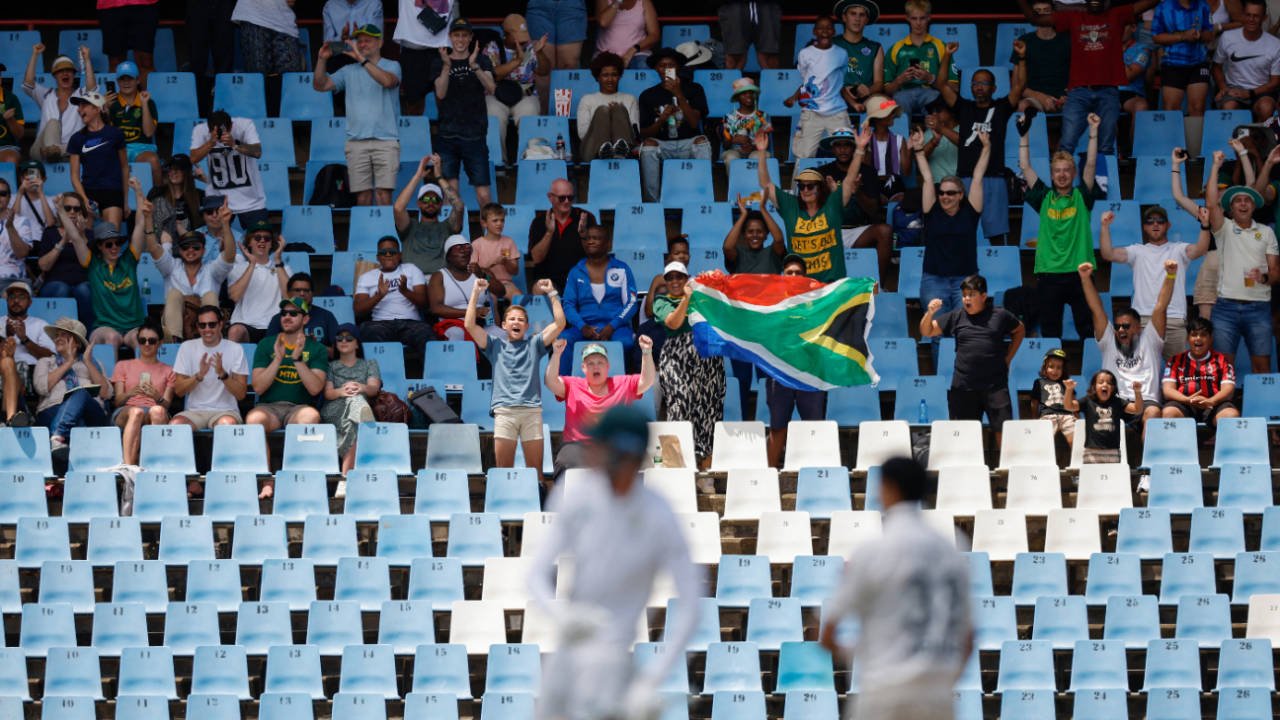
The anticipation for the upcoming New Year’s Test at Newlands between South Africa and England reached a fever pitch this week, but for thousands of loyal supporters, the experience turned into a bitter disappointment. Within mere minutes of the public ticket portal opening on Monday morning, the available inventory vanished, leaving many empty-handed and questioning the ticketing strategy employed by Cricket South Africa (CSA).
With fewer than 1,600 tickets per day released to the general public, it has become clear that the iconic Newlands stadium will be filled by a crowd composed largely of international tourists and corporate guests rather than the local fan base that sustains the sport throughout the year.
The Anatomy of a Sold-Out Venue
To understand the depth of the frustration, one must look at the specific breakdown of the ticket allocation for the match, which is scheduled for January 3–7. The figures reveal a system heavily weighted toward commercial interests:
- 39% – International and domestic travel packages
- 21% – General hospitality and member complimentary tickets
- 19% – Complimentary tickets allocated to CSA sponsors, stakeholders, match officials, and media
- 13% – Released to the public and unreserved seating
- 8% – Reserved for season ticket holders, wheelchair users, sight screen restrictions, and backup allocations
With a stadium capacity currently reduced to 17,544 due to ongoing construction, the impact of these allocations is profound. The decision to prioritize travel packages—largely facilitated through the joint venture SA Cricket Travel—means that the average South African, who may have missed out on red-ball cricket last season due to a thin home fixture list, now finds themselves in the minority at their own marquee event.
The Commercial Imperative vs. Fan Access
From an objective standpoint, the motivation behind CSA’s strategy is rooted in the financial realities of modern sports administration. Following a 2025-26 summer that featured minimal incoming international cricket, the current season represents a vital window to bolster the governing body’s coffers. With the South African Rand currently trading at 22 to the Pound, the allure of the English touring contingent—and the spending power of the Barmy Army—is undeniable.
Sports business researcher Nqobile Ndlovu, appearing on CapeTalk, highlighted this duality: “CSA has essentially locked out your domestic fans,” she noted, while conceding that “from a commercial point of view, I can see why they did it.” For an organization that reported a R238 million profit last year, the pressure to replicate that success in a volatile scheduling landscape is intense. However, when the pursuit of profit alienates the core local audience, the long-term health of the game in the region may suffer.
Is the Test Truly Sold Out?
Despite the claims of a “sold-out” status, the reality is slightly more nuanced. While 9% of the public allocation was snapped up instantly, a final 4% remains held back. CSA expects to release these seats, along with any unused inventory from corporate and service allocations, at a later date. This pool will also include seats around the sight screens, which can only be finalized once match officials have conducted their pre-game inspections.
For those still hoping to catch the Proteas take on England in Cape Town, these remaining tickets represent a sliver of hope. Yet, the broader conversation remains: how does a governing body balance the need for profitability with the responsibility to keep its home matches accessible to the local population? As the summer progresses, this debate will likely continue to simmer in the corridors of Newlands and beyond, serving as a reminder that a stadium filled with visitors, while lucrative, does not carry the same spirit as one filled with the passionate home support that has defined South African cricket for generations.