Virat Kohli Challenges BCCI Over IPL Privacy Concerns
The Privacy Dilemma in Modern IPL Cricket
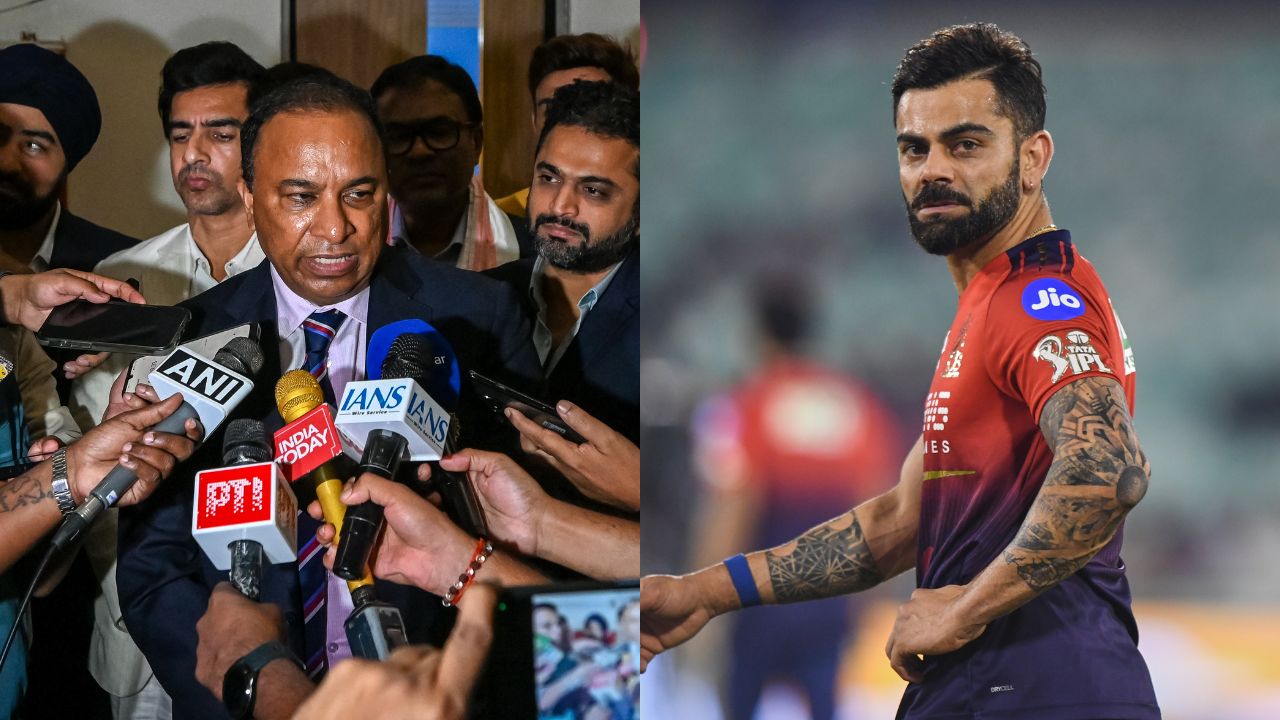
The Indian Premier League (IPL) stands as a colossal phenomenon, dominating the sporting landscape for two months each summer. While it provides unparalleled entertainment for millions of fans, the relentless nature of the coverage has introduced a new challenge: the erosion of athlete privacy. Virat Kohli, the face of the Royal Challengers Bengaluru (RCB), has recently brought this issue to the forefront, challenging the Board of Control for Cricket in India (BCCI) to reform how cameras interact with players during their preparation phases.
The Constant Lens: A Hurdle to Performance
In a candid discussion held on a recent RCB podcast, Kohli expressed his frustration with the constant camera presence that follows cricketers from the moment they arrive at the training ground. According to the veteran batter, the modern iteration of the IPL has become excessively focused on content creation and social media engagement, often at the expense of the players’ ability to train naturally.

Kohli’s argument centers on the necessity of freedom during practice. He highlighted that being followed by six cameras immediately upon arrival creates an uncomfortable environment. For a professional athlete, training is a space for experimentation, refining techniques, and making mistakes without the fear of public scrutiny or premature analysis. When every movement is recorded, dissected, and debated online, the organic nature of development is stifled.
The Demand for Streamlined Coverage
Virat Kohli is not asking for a complete cessation of media engagement; rather, he is calling for a more streamlined approach. He acknowledged the commercial importance of the IPL and the role that fan engagement plays in the league’s success. However, he maintains that there must be a boundary between professional content creation and the personal space required for an athlete to prepare effectively.
“As a sportsperson, you need to have the ability and the freedom to work on your game in peace,” Kohli stated. He emphasized that players should be judged solely on their match-day performances, not on the drills or experimental techniques they attempt during private nets. The pressure of knowing that any video could go viral and become a subject of intense debate discourages players from trying new things, which ultimately impacts the quality of the game.
The Consequences of Excessive Surveillance
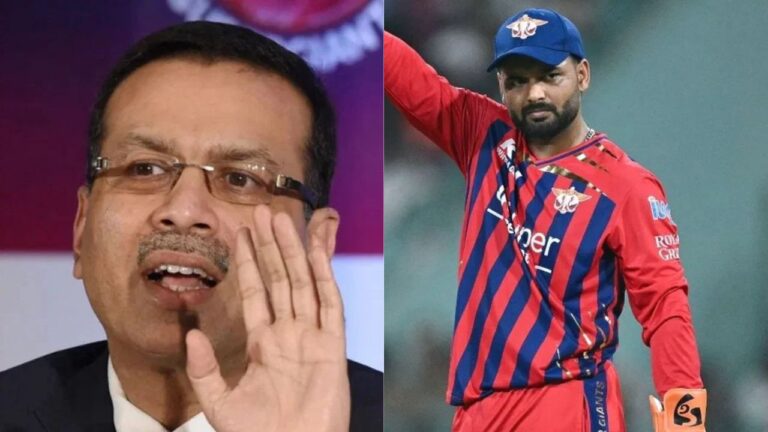
The concerns raised by Kohli are supported by recent controversies within the IPL 2026 season. The omnipresence of cameras has led to instances where personal or unprofessional moments in dressing rooms have been broadcasted to the world. A notable example involved Rajasthan Royals captain Riyan Parag, who was filmed in an uncomfortable situation within the dressing room, leading to a viral video and subsequent disciplinary action from the BCCI.
These incidents underscore the delicate balance the BCCI must maintain. While the board generates significant revenue through broadcasting rights and media partnerships, the lack of boundaries is beginning to affect the players directly. Protecting the integrity of the players’ private time has now become a point of contention that the board may no longer be able to ignore.
The Road Ahead for the BCCI
The request from Virat Kohli puts the BCCI in a complex position. The organization relies heavily on these media rights to sustain the massive financial ecosystem of the IPL. Scaling back on the content provided to broadcasters could theoretically lead to a reduction in the massive revenues currently being generated. However, the potential for a player rebellion regarding privacy rights poses a different, long-term threat to the league.
By taking a firm stand on this issue, Kohli has initiated a necessary conversation about the future of cricket coverage. The coming months will be critical as the BCCI decides whether to implement stricter guidelines on when and where cameras are permitted. For the sake of the players, it remains to be seen if a middle ground can be reached that preserves the commercial viability of the league while respecting the sanctity of the players’ professional environment.