Players like Rohit, Inzamam: Vaibhav Sooryavanshi’s restricted growth in IPL concerns
The Impact Player Rule Under Scrutiny
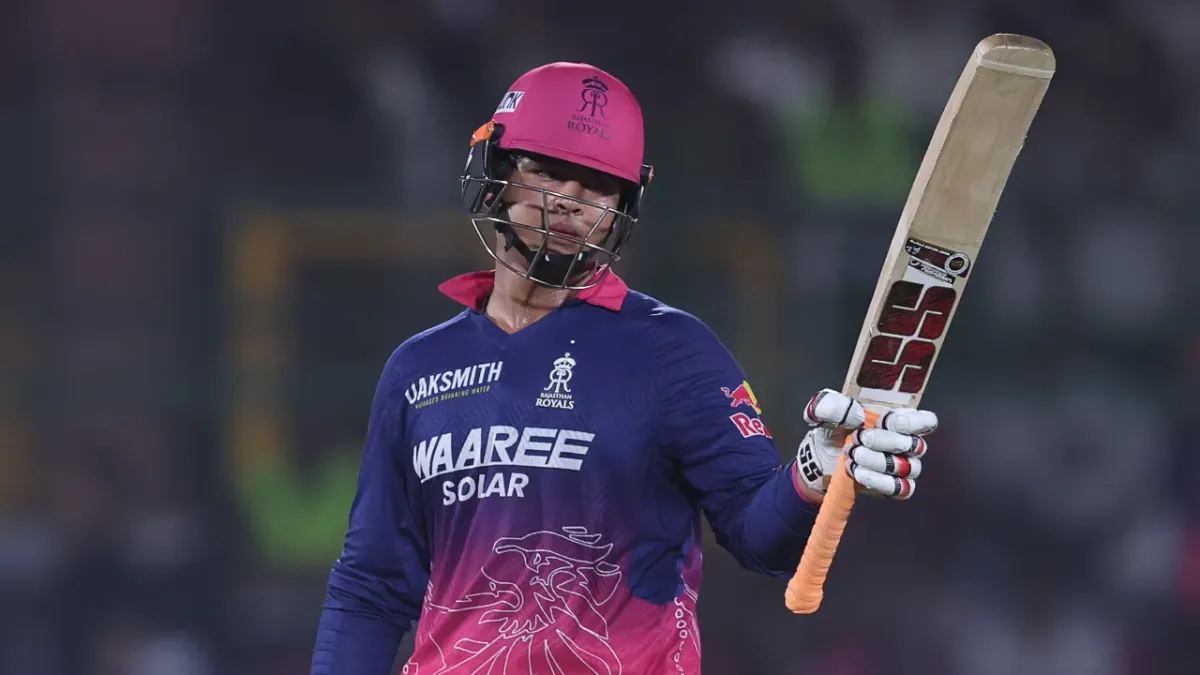
The landscape of the Indian Premier League (IPL) has undergone a significant transformation since the introduction of the Impact Player rule. While it has undoubtedly added tactical layers and entertainment value to the tournament, it has also sparked intense debate regarding the holistic development of emerging cricketers. The latest voice to join this chorus of dissent is former India player and renowned commentator Sanjay Manjrekar, who recently expressed grave concerns regarding how this rule is shaping the career of young sensation Vaibhav Sooryavanshi.
The Case of Vaibhav Sooryavanshi
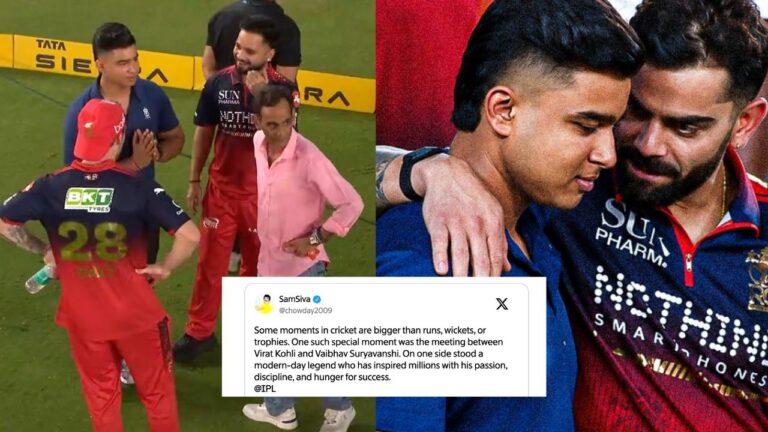
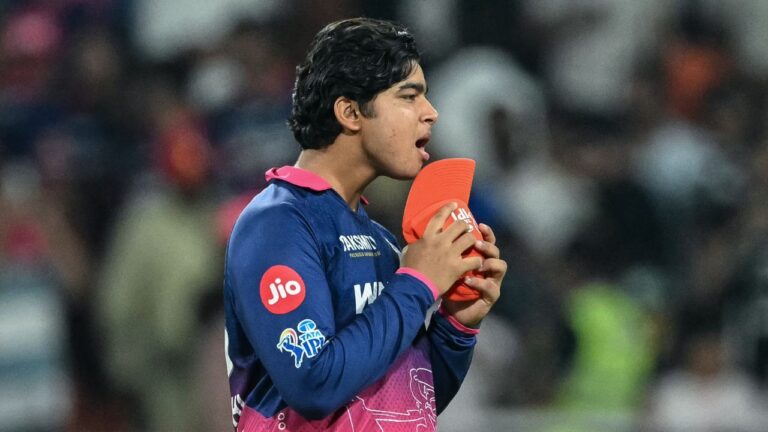
Vaibhav Sooryavanshi has been nothing short of a revelation for the Rajasthan Royals during the 2026 edition of the IPL. The young left-hander has amassed an impressive 583 runs in just 14 matches, maintaining a blistering strike rate that has consistently crossed the 200 mark. By any statistical metric, he is currently one of the most exciting batting prospects in the country. However, Manjrekar argues that these numbers mask a deeper problem regarding the player’s overall growth.
The primary point of contention is that Sooryavanshi is frequently utilized as an Impact Substitute, meaning his involvement is strictly limited to batting. He is often excused from fielding duties entirely, a luxury that Manjrekar believes is detrimental to a young player’s professional evolution.
Comparing the Modern Trend to Legends
In a candid discussion on the Sportstar Inside Edge podcast, Manjrekar drew sharp comparisons to established stars like Rohit Sharma and legends like Inzamam-ul-Haq to illustrate his point. He noted that while modern rules allow players to contribute in a single discipline, this shortcut to success may not be sustainable in the long run.
“Rohit Sharma scored 22 runs off 15 balls in the last game, and his contribution lasted for 15 balls. He will receive the full match fee. I don’t want to focus on the money part, but when you make easy money without putting in a hard effort, there is a need to question the model. You can’t achieve long-term success by following this trend,” Manjrekar stated.
He further invoked the memory of players like Inzamam-ul-Haq, who were known for their batting prowess but were also integral components of their teams in the field. “For me, the Impact Player Rule shouldn’t be there. Are we ready to see Vaibhav Sooryavanshi going the same way? You want to see just one aspect of his game. A cricketer should be allowed to contribute across disciplines. Earlier, we lauded players like Inzamam-ul-Haq for their batting and the other side of them on the field.”
A Call to Action for the BCCI
Manjrekar has strongly urged the Board of Control for Cricket in India (BCCI) to consider scrapping the rule. His argument is rooted in the belief that international cricket remains the ultimate litmus test, and that level of competition does not offer the safety net provided by the IPL’s substitute system.
He pointed to India’s recent international success, noting that the national team has secured two consecutive T20 World Cup titles without the presence of an Impact Player. “A game should test the overall development of the player. A bowler shouldn’t only bowl four overs in a contest. His fielding should also be taken into account. The game should examine every aspect of a cricketer and not just one skill,” Manjrekar concluded.
The Future of the Sport
The core of the issue lies in whether the IPL should prioritize immediate spectacle or the long-term health of Indian cricket. By allowing players to focus exclusively on batting or bowling, the system risks producing “specialists” who may lack the necessary match-readiness for the rigors of international cricket. As the debate continues, the performance of players like Sooryavanshi will likely remain at the center of the conversation, serving as a case study for the potential pitfalls of the current regulatory framework.