Sourav Ganguly on the 2000 Match-Fixing Scandal and Rebuilding Trust
The Dark Clouds of 2000: A Crisis of Faith
The turn of the millennium was a period of profound uncertainty for Indian cricket. The sport, which is often regarded as a religion in the subcontinent, faced an existential crisis following the match-fixing allegations that surfaced in the year 2000. The scandal, which led to a lifetime ban for then-captain Mohammad Azharuddin and a five-year ban for Ajay Jadeja, did more than just remove players from the field; it shattered the trust of millions of fans. Every loss was scrutinized, and every mistake on the field was met with whispers of foul play. It was against this backdrop of cynicism that the responsibility of leading the national side fell upon a 27-year-old Sourav Ganguly.
Seeking Answers from Sachin and Dravid
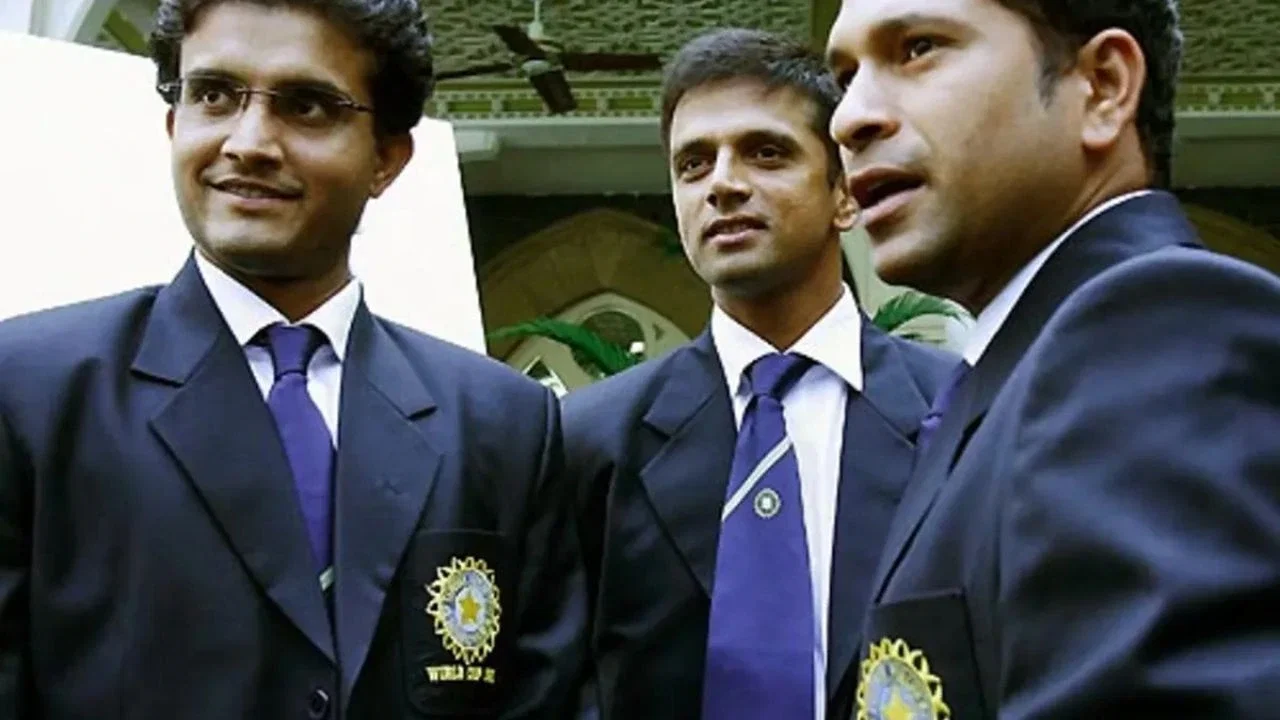
Stepping into the captaincy role during such a volatile era required more than just tactical acumen; it required a restoration of the team’s moral compass. In a recent appearance on the Raj Shamani podcast, the former Indian skipper, affectionately known as the Prince of Kolkata, opened up about his initial confusion regarding the scope of the betting scandal. Ganguly admitted that he was largely unaware of the mechanics of match-fixing at the time because he had never been approached himself. To understand the gravity of the situation, he turned to his most trusted colleagues.
‘The issues that the Indian team faced just before I became captain—betting, match-fixing—I didn’t even know about these things,’ Ganguly recalled. His priority was to ensure that the core of the team remained untainted. He took it upon himself to directly ask the senior stalwarts of the team if they had ever been contacted by bookmakers. ‘I kept asking Sachin [Tendulkar] and Rahul [Dravid], ‘Does it actually happen? Has anyone approached you?’ Because no one had approached me. So, I spoke to Sachin. ‘Tujhe kisi ne puucha?’ (Did anyone ask you?) He said no.’
Ganguly did not stop there. He also consulted legendary leg-spinner Anil Kumble. ‘Asked Anil too, he said, ‘No. Nobody asked me.’ So, I wasn’t too sure what it even was,’ he added. These conversations were pivotal in helping Ganguly realize that the premier talents of the team were focused purely on the game, allowing him to shift his focus toward rebuilding the squad’s reputation and performance.
The Anxiety of Leading Legends
Leadership in the early 2000s presented a unique psychological challenge for Ganguly. Not only was he dealing with the aftermath of a scandal, but he was also tasked with commanding players who had previously been his captains or were senior to him in stature, such as Sachin Tendulkar, Anil Kumble, and Javagal Srinath. Ganguly recounted the nerves he felt before his very first team meeting as the official captain. He shared an intimate anecdote about speaking to his wife, Dona, regarding the awkwardness of the situation.
‘I still remember our first match was in Kochi. On the eve of the game, I had to address the team meeting. I told Dona that many of these guys—Azhar, Sachin—had been my captains. How was I supposed to tell them what to do and what not to do?’ To manage the pressure, he decided to keep his address concise and direct. He limited the meeting to just 15 minutes, ensuring he conveyed the essential points without overextending his welcome. The strategy worked; India secured a victory against South Africa in that match, and in the following game in Jamshedpur, Ganguly scored a century, cementing his authority through performance.
A Legacy of Transformation and Talent
Under Ganguly’s stewardship, Indian cricket underwent a massive cultural shift. He instilled a sense of fearlessness that had been missing, particularly during overseas tours. His tenure saw India transition from a team that dominated primarily at home to a formidable force on the global stage. Among his many achievements, the highlights include the historic NatWest Trophy win in 2002, being joint winners of the ICC Champions Trophy in 2002, and leading India to the final of the ICC World Cup in 2003 for the first time since 1983. He also oversaw a crucial drawn Test series in Australia and a first-ever Test series win on Pakistani soil.
Perhaps Ganguly’s greatest contribution, however, was his eye for talent. He identified and backed a generation of cricketers who would go on to become icons of the game. Players like Virender Sehwag, Yuvraj Singh, Harbhajan Singh, Zaheer Khan, and MS Dhoni all flourished under his captaincy. By providing these young players with a secure environment and a clear vision, Ganguly ensured that Indian cricket was not just recovered from its dark past, but was prepared for a golden future.