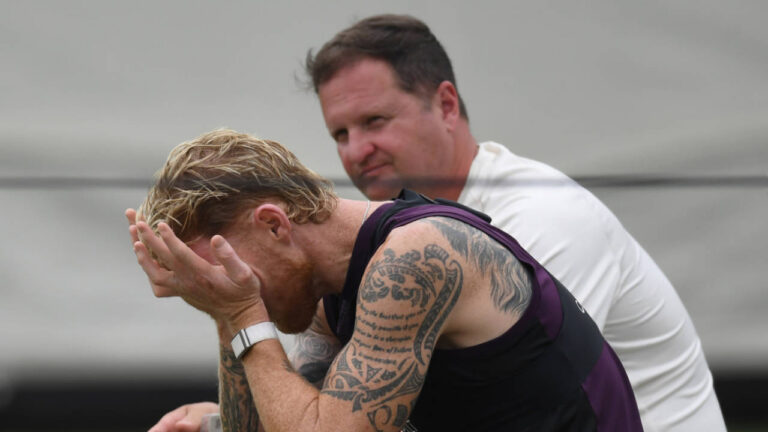
Rex Rooms, the reckoning: What happens next after curfew-gate?
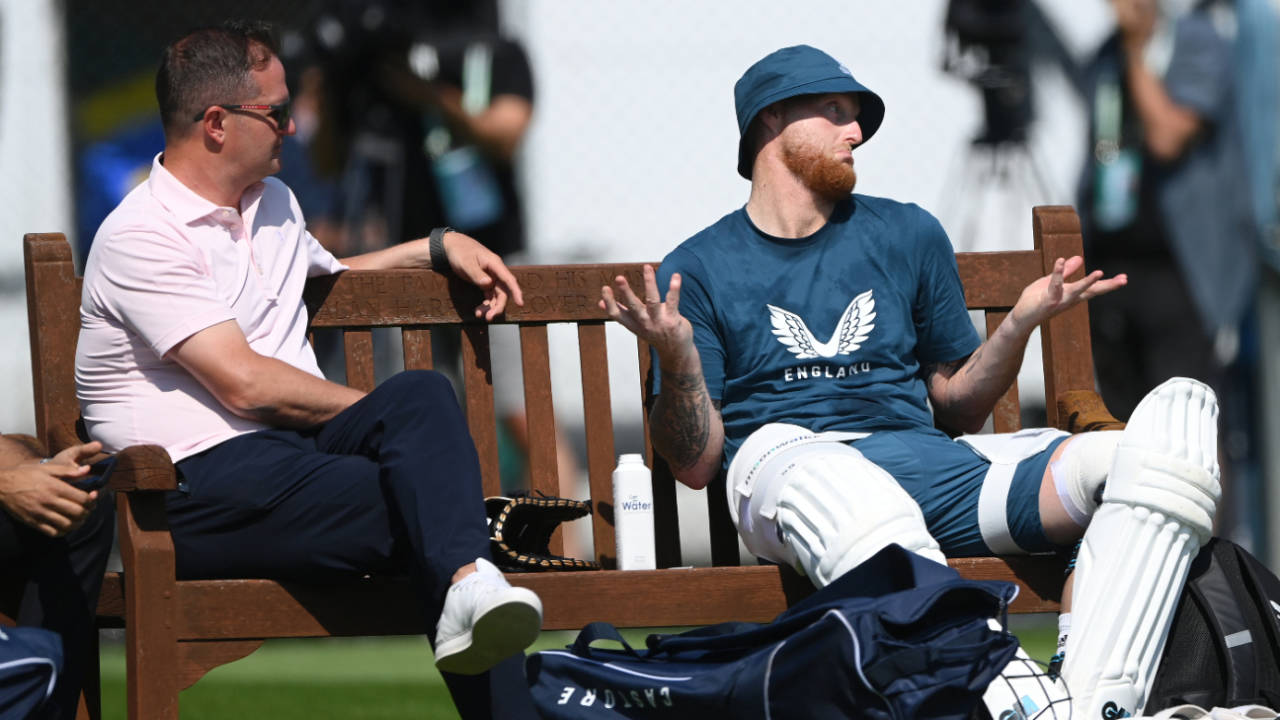
The Aftermath of a High-Stakes Controversy
Two chaotic weeks in English cricket reached a resolution of sorts on Sunday evening when Ben Stokes and Gus Atkinson were cleared of serious wrongdoing and named in England’s squad for the third Test against New Zealand at Trent Bridge. While the immediate disciplinary storm has passed, the sport is left to grapple with the fallout of what has become known as ‘curfew-gate’. Understanding how the team arrived at this juncture requires a deep dive into the events of June 7 and the subsequent administrative handling of the incident.
The Night at Rex Rooms
The trouble began following England’s victory in the first Test at Lord’s. While the initial celebrations took place in the sanctity of the changing rooms, several players ventured into west London. Ben Stokes and Gus Atkinson, accompanied by a member of the ECB security detail, James Shaw, extended their night at the Rex Rooms nightclub in Chelsea. This excursion notably breached the team’s mandatory midnight curfew.
The evening turned dark with two distinct incidents involving a physical altercation. Reports indicate that Atkinson was involved in a confrontation with a Saracens academy rugby player, Totoa Auvaa. During this clash, James Shaw suffered facial injuries requiring stitches, forcing him to remain sidelined from his duties at The Oval.
Management’s Reaction and Internal Turmoil
The reaction from England’s hierarchy was one of visceral disappointment. Rob Key, the managing director, openly admitted to feeling a sense of ‘disbelief’ and ‘anger’ upon learning that his captain was at the heart of the controversy. This sentiment was echoed by head coach Brendon McCullum, who expressed deep concern for Stokes while notably hesitating to offer immediate public endorsement of the captaincy, citing the necessity of allowing the disciplinary processes to conclude without interference.
The Dual Investigation
Two separate bodies initiated investigations into the incident: the ECB itself and the independent Cricket Regulator. The Regulator, established in 2023 to ensure compliance with the game’s regulations, interviewed both players. The ECB’s internal probe focused on the breach of contractual obligations, specifically the requirement for players to maintain the highest standards of conduct. The findings were clear: while the curfew breach was undeniable, both players were cleared of any involvement in the ‘violent conduct’ that occurred at the club. Specifically, the Regulator concluded that Atkinson was the victim of unprovoked attacks and that Stokes played no part in the altercation.
The Problem of the Curfew
A significant portion of the debate has centered on the clarity of the curfew itself. Introduced following the Ashes, the rule requires players to return to the team hotel by midnight. While McCullum has maintained that the rule is referenced constantly, the lack of a formal, written document left room for ambiguity. Key noted that Atkinson claimed ignorance of the rule, though he acknowledged that such an excuse holds little weight for a leader like Stokes, who was instrumental in drafting these very conduct standards.
The Path Forward
As the team prepares for the third Test at Trent Bridge, the focus shifts back to cricket. The return of Stokes and Atkinson, alongside other returning teammates, provides a much-needed boost for a side looking to secure a 2-1 series victory. However, the path to redemption is not merely about performance on the pitch. Stokes will need to demonstrate genuine contrition for breaking the rules he helped create, and the team management faces the challenge of restoring public trust.
Ultimately, the stakes remain incredibly high. A series victory would offer a reprieve, but a defeat could prove calamitous for the current leadership group. After surviving previous reviews, Key, McCullum, and Stokes are under immense pressure to prove that their commitment to stability is not a precursor to further instability in English cricket.