Full List of Players Retired Hurt in IPL History: 2026 Update
The Physical Cost of T20 Cricket
The Indian Premier League (IPL) is renowned for its high-intensity action, blistering pace, and unwavering competitive spirit. However, this level of play often carries a significant physical toll on the athletes involved. When a player finds themselves unable to continue due to injury or illness, the term ‘retired hurt’ comes into play. This status is a critical component of the laws of cricket, ensuring player safety while maintaining the balance of the game.
Rishabh Pant and the 2026 Injury Wave
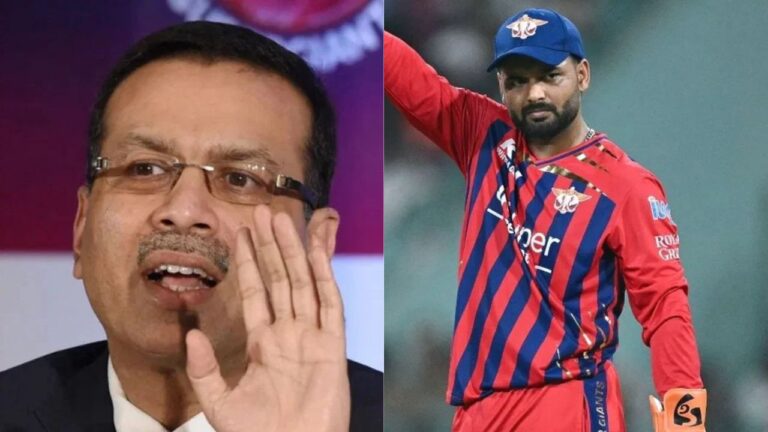
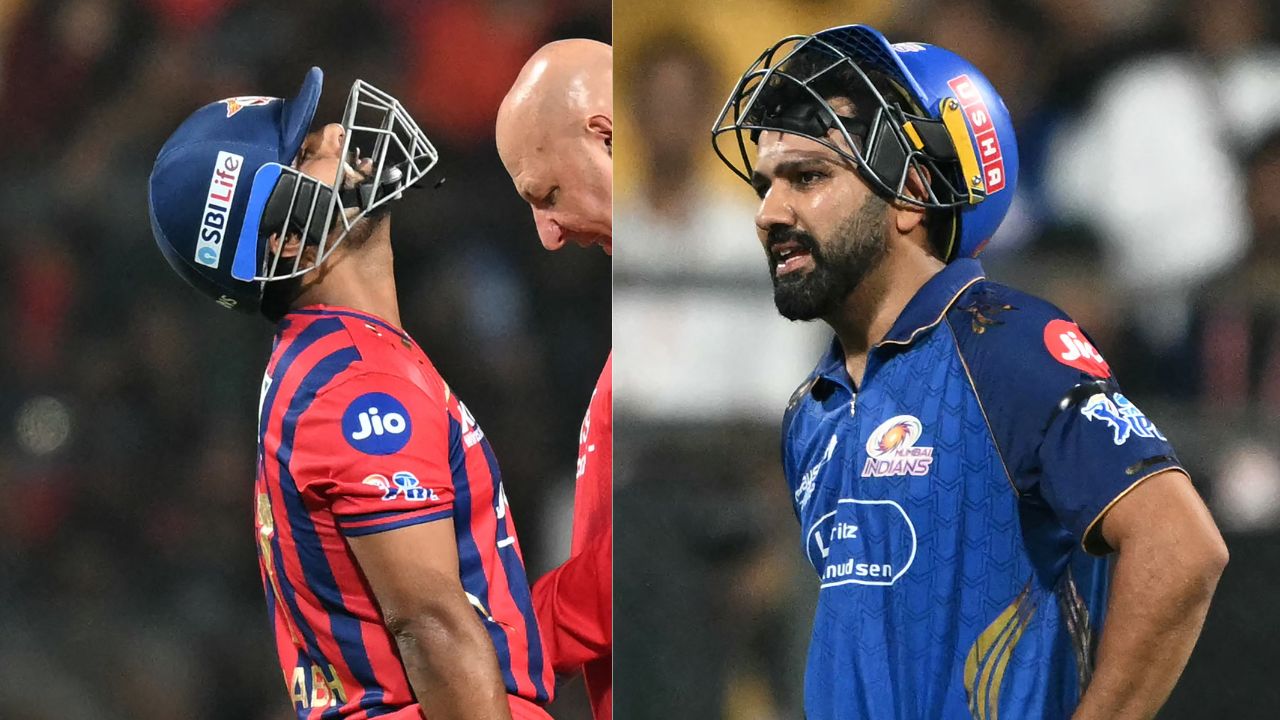
In the ongoing 2026 IPL season, we have witnessed several high-profile instances where players were forced to walk off the field. A notable incident occurred during the Lucknow Super Giants’ (LSG) innings against the Royal Challengers Bengaluru (RCB). Rishabh Pant, after facing a series of dot balls, was struck hard on his unprotected left elbow by a hostile short delivery from Josh Hazlewood. Despite his clear distress and an initial consultation with the physio, the pain proved insurmountable, and Pant was forced to retire hurt during the fifth over of the innings.
Rohit Sharma’s Struggle at Wankhede
Pant is not the only high-profile star to have faced this setback in 2026. Mumbai Indians’ veteran opener, Rohit Sharma, faced a similar fate during a high-stakes clash against the defending champions, RCB, at the Wankhede Stadium. While chasing a formidable target of 241, Rohit sustained a hamstring injury in the sixth over. Despite receiving medical attention on the field and having his thigh strapped in a bid to continue, his return to the crease lasted only one delivery. With his mobility clearly compromised, the 39-year-old made the difficult decision to retire hurt, finishing his innings at 19 runs from 13 deliveries. Ultimately, the Mumbai Indians fell short of the target, finishing at 222/5.
Understanding the Rules: Retired Hurt vs. Retired Out
To fully understand the tactical and regulatory implications of these departures, it is essential to distinguish between ‘retired hurt’ and ‘retired out’ as defined by the Marylebone Cricket Club (MCC) Laws of Cricket.
What is Retired Hurt (Retired Not Out)?
According to MCC Law 25.4, a batter who leaves the field due to illness, injury, or any other unavoidable cause is recorded as ‘Retired Not Out.’ The key advantage here is that the player is permitted to resume their innings later, provided they inform the umpires. This can happen after a wicket falls or another batter retires. It acts as a safety mechanism, allowing injured players a chance to recover and return to the fray if their team has not lost all its wickets.
What is Retired Out?
In contrast, ‘retired out’ is a strategic maneuver. This occurs when a batter voluntarily leaves the field for reasons other than health, often to allow a different specialist batter to take over based on the match situation. Under MCC Law 25.4.3, a batter may retire at any time when the ball is dead, provided they inform the umpires. If the retirement is not injury-related, the player is recorded as ‘Retired Out’ and cannot resume their innings without the explicit consent of the opposing captain.
The Evolution of Player Welfare
As the IPL continues to expand, the focus on player welfare and injury management has become paramount. Teams now employ sophisticated medical staffs, physios, and trainers to monitor player health in real-time. However, even with the best protocols in place, the unpredictable nature of cricket means that ‘retired hurt’ will remain a part of the game’s vocabulary. As fans, we appreciate the grit and determination shown by athletes like Rishabh Pant and Rohit Sharma, who often push their physical limits to contribute to their teams’ success in the world’s premier T20 league.