In a significant moment for Irish cricket, the national team, hosting a Test match on home soil for the first time in two years, made a crucial decision at the toss. Facing New Zealand in Belfast for their inaugural encounter in the Test format, Ireland’s captain opted to bowl first, signaling an intent to exploit the conditions early on. This four-day fixture holds particular importance for Ireland as they continue to solidify their presence in the longest format of the game.
Key Absences and Debutants Mark the Encounter
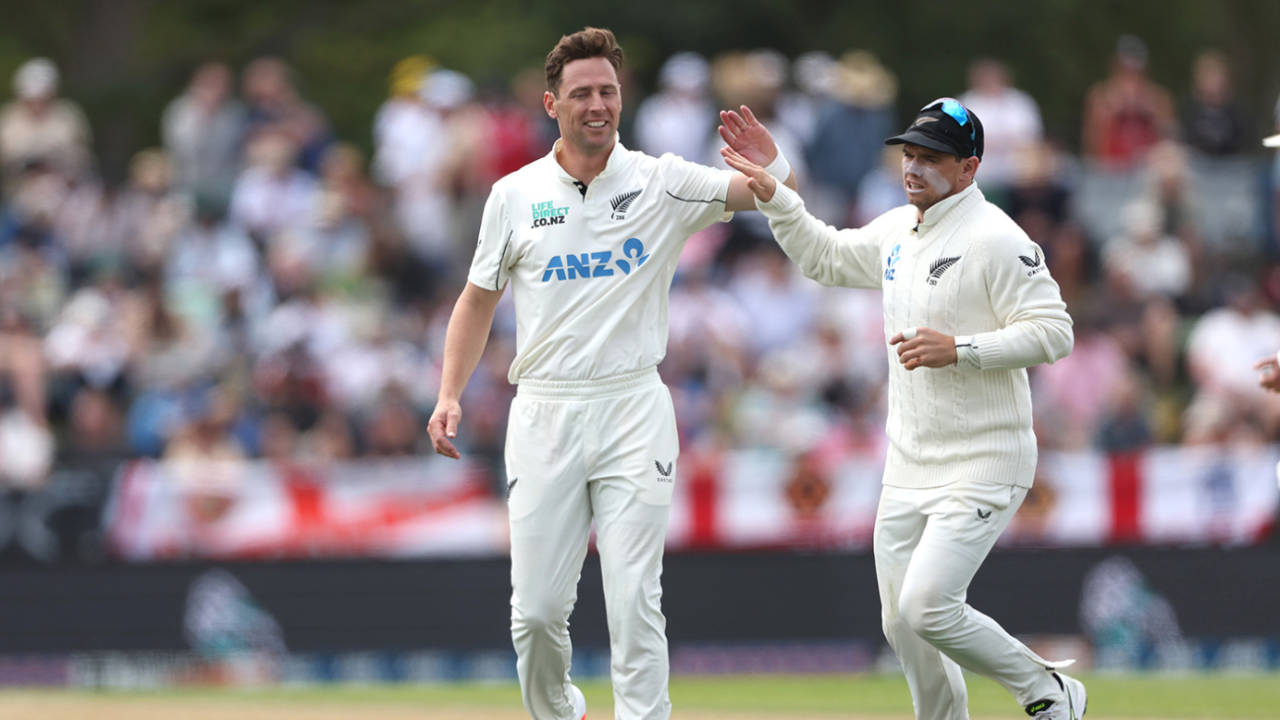
The build-up to the match was overshadowed by significant injury news for both competing nations, leading to several new faces making their Test debuts. For New Zealand, a considerable blow came with the confirmation that fast bowler Matt Henry would miss the Test. Henry is currently recovering from a low-grade left hamstring strain. His absence is particularly noteworthy as he is slated to join fellow New Zealand pacers Will O’Rourke and Kyle Jamieson at a training camp in London. This camp is a preparatory phase for the upcoming three-Test series against England, set to commence on June 4, highlighting the Blackcaps’ strategic planning even amidst current commitments.
Ireland also had to contend with an unfortunate injury to one of their key players. Paul Stirling, the team’s first-choice opener in the Test format, sustained an injury prior to the game and was consequently not included in the squad. His vital role at the top of the order necessitated a replacement, and the selectors turned to Stephen Doheny, who was handed a significant opportunity to make his Test debut and open the innings. This change represents a major moment for Doheny, stepping onto the international Test stage in a crucial batting position.
Irish Line-up Bolstered by Fresh Talent
Beyond Doheny, Ireland’s squad saw further fresh talent injected into the playing XI, particularly in the bowling department. The home side handed Test debuts to three seamers: Thomas Mayes, Reuben Wilson, and Liam McCarthy. This trio of new pace options underscores Ireland’s commitment to developing its fast-bowling resources and provides them with varied attack profiles for their home conditions. Integrating three debutant seamers into the attack for such a significant match against an established Test nation like New Zealand reflects both confidence in these young players and a strategic gamble to utilize local knowledge of the pitch.
New Zealand, in contrast, showcased their depth by fielding four seamers in their line-up, a testament to their traditional strength in pace bowling. Additionally, the Blackcaps saw all-rounder Dean Foxcroft make his Test debut, adding another dimension to their squad. Foxcroft’s inclusion provides both batting and bowling options, enhancing the team’s balance in the absence of a specialist all-rounder or to complement their strong pace attack.
Pitch Conditions and Strategic Implications
The conditions at the Belfast surface were a significant talking point leading into the match. The pitch was widely anticipated to offer considerable seam movement, which traditionally favors fast bowlers and aligns with Ireland’s decision to bowl first. However, an unexpected variable entered the equation: Northern Ireland has been experiencing what is considered a heat wave, with temperatures in the mid-20s Celsius. Such unusually warm weather could alter the pitch’s behavior over the course of the match.
While initial seam movement remains a strong possibility, the warmer temperatures might contribute to a surface that proves to be more conducive to batting than previous Tests hosted at this venue. Furthermore, as the game progresses, the heat and wear on the pitch could lead to it drying out and potentially offering more assistance to spin bowlers. This evolving nature of the pitch will require both teams to adapt their strategies, making the toss decision even more critical and potentially influencing the later stages of the four-day contest.
It is also worth noting that this particular Test match does not carry World Test Championship points for either team, as Ireland is not currently part of the championship cycle. While no points are on the line, the match remains an invaluable opportunity for both sides to test their mettle, develop new talent, and gain crucial international experience, particularly for the emerging Irish side and New Zealand’s debutants.
Team Line-ups
New Zealand XI:
- Tom Latham (capt)
- Devon Conway
- Kane Williamson
- Rachin Ravindra
- Daryl Mitchell
- Tom Blundell (wk)
- Dean Foxcroft
- Nathan Smith
- Zak Foulkes
- Blair Tickner
- Ben Sears
Ireland XI:
- Andrew Balbirnie (capt)
- Stephen Doheny
- Cade Carmichael
- Harry Tector
- Curtis Campher
- Lorcan Tucker (wk)
- Andy McBrine
- Mark Adair
- Liam McCarthy
- Reuben Wilson
- Tom Mayes