IPL To Take Place 2 Times In A Year! BCCI Announces Massive Action – IPL to be Held Twice a Year? BCCI Explores Massive Tournament Expansion
A New Era for the Indian Premier League?
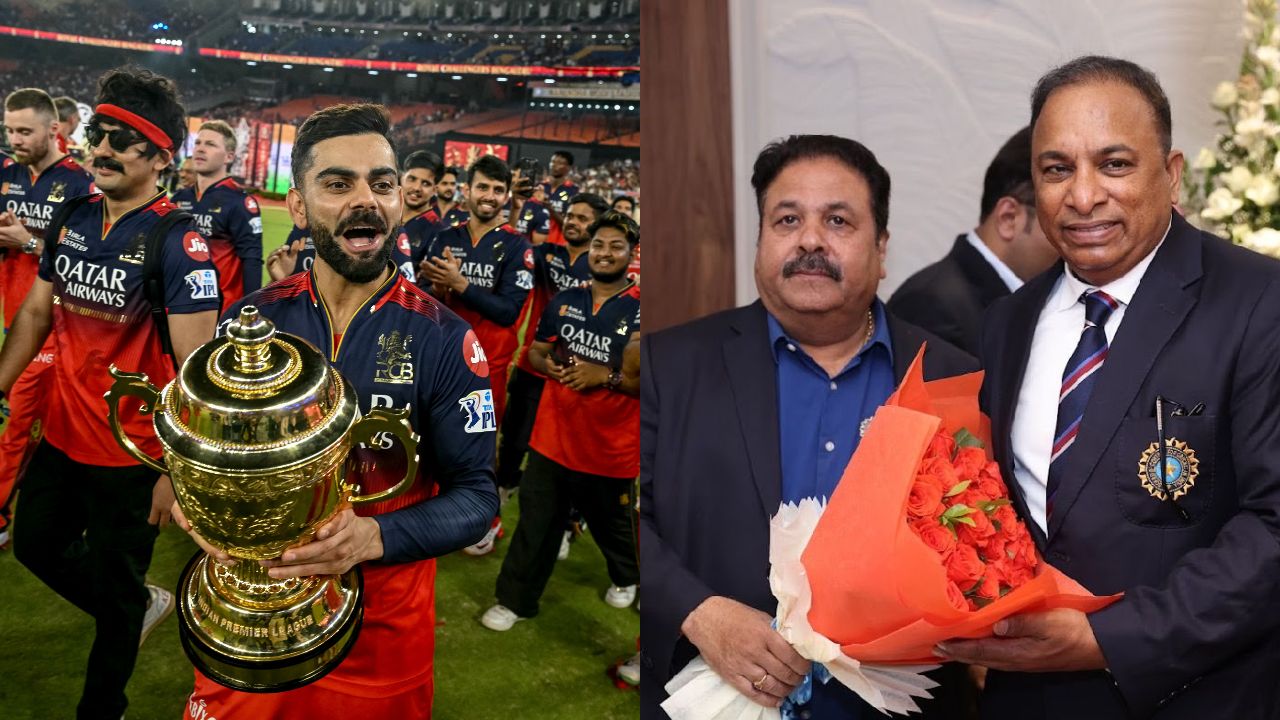
The landscape of professional cricket could be on the verge of its most significant transformation since the inception of the Indian Premier League. Recent insights from IPL chairman Arun Dhumal suggest that the governing council is actively seeking alternative windows to accommodate a massive expansion of the world’s most lucrative T20 tournament. As the competition grows in both popularity and scope, the traditional March-to-May schedule is coming under increasing scrutiny.
The Necessity of Expansion and the Weather Hurdle
The current structure of the IPL, featuring 74 matches, is already a significant undertaking. However, the Board of Control for Cricket in India (BCCI) has set its sights on an even larger scale. The proposed expansion aims to increase the number of matches to 94, allowing all ten teams to play a full set of home and away fixtures. While this is an exciting prospect for fans and stakeholders, it presents a logistical and physical challenge.
India’s climate, particularly the sweltering heat of May and June, has become a primary concern. Sustaining high-intensity cricket during the peak of summer is increasingly difficult for players and unpleasant for fans attending matches. Consequently, the governing council is recognizing that a wider, more flexible window is essential to maintain the tournament’s quality and the well-being of the athletes involved.
Arun Dhumal Proposes a Dual-Window Approach
In a detailed discussion, IPL chairman Arun Dhumal highlighted the potential for a split-window format. By dividing the tournament, the BCCI could mitigate the impact of extreme weather while capitalizing on optimal commercial opportunities. One primary suggestion involves utilizing the February-to-April period for the first phase, followed by a second phase in the September-October window.
The latter period is particularly attractive from a commercial standpoint. Aligning a portion of the tournament with the Indian festive season, specifically the lead-up to Diwali, offers significant advantages for advertisers. As Dhumal noted, the decision will not be made in isolation. Extensive consultations with broadcasters and international cricket boards are necessary, as the IPL’s schedule has a ripple effect on global cricketing calendars.
Broadcaster and Global Considerations
“We need to sit across and speak to the broadcaster for their opinion,” Dhumal explained. The economic viability of the tournament is intrinsically linked to the preferences of those who broadcast it. Furthermore, because the IPL draws talent from across the globe, the BCCI is committed to finding a solution that supports the broader ecosystem of international cricket rather than disrupting it.
The goal is to foster a collaborative environment where the interests of the BCCI, global boards, and the players are aligned. This is a complex puzzle, but one that the leadership is determined to solve in the interest of the game’s long-term sustainability.
Current Status of IPL 2026
While the future of the tournament structure is being debated, the 2026 edition continues to deliver high-octane action. The tournament has reached its business end, with Royal Challengers Bengaluru (RCB) leading the charge toward the final. Having secured a victory over the Gujarat Titans in Qualifier 1, RCB has firmly cemented their place in the title decider.
Meanwhile, the intensity remains high for the remaining contenders. The Rajasthan Royals (RR) are set to face Sunrisers Hyderabad (SRH) in a high-stakes Eliminator at the Mullanpur Stadium. The winner of this clash will move on to face the Gujarat Titans in Qualifier 2, with the final spot in the championship match at the Narendra Modi Stadium in Ahmedabad on the line. As the 2026 season nears its conclusion on May 31, the excitement surrounding the final matches serves as a reminder of why the IPL remains the pinnacle of T20 cricket, and why the BCCI is so keen to secure its future through these bold expansion plans.