IPL Social Media Controversy: Arun Dhumal Addresses BCCI Player Guidelines
The Changing Landscape of IPL Conduct
The Indian Premier League (IPL) 2026 season has been marked by more than just high-octane cricketing action. As the tournament progressed, a series of off-field controversies involving players, franchises, and social media activity prompted the Board of Control for Cricket in India (BCCI) to intervene. With reports circulating about potential crackdowns on digital activity and personal conduct, IPL Governing Council Chairman Arun Dhumal has stepped forward to provide much-needed clarity on the board’s new advisory.
The BCCI’s Seven-Page Directive
In the middle of the 2026 season, the BCCI issued an exhaustive seven-page advisory to all franchises. This document served as a stern reminder of the standards expected of professional athletes. The guidelines touched upon various sensitive areas, including the prevention of honey-trapping, restrictions on players’ partners travelling with the team, and a significant curb on ‘reel culture’ and vlogging. Furthermore, the directive emphasized that players must not vacate their hotel rooms or invite unauthorized guests without explicit permission from team management.
Why Was the Advisory Issued?
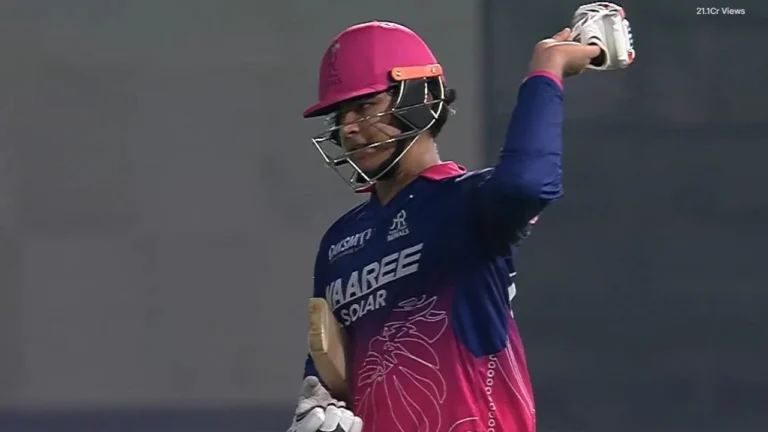
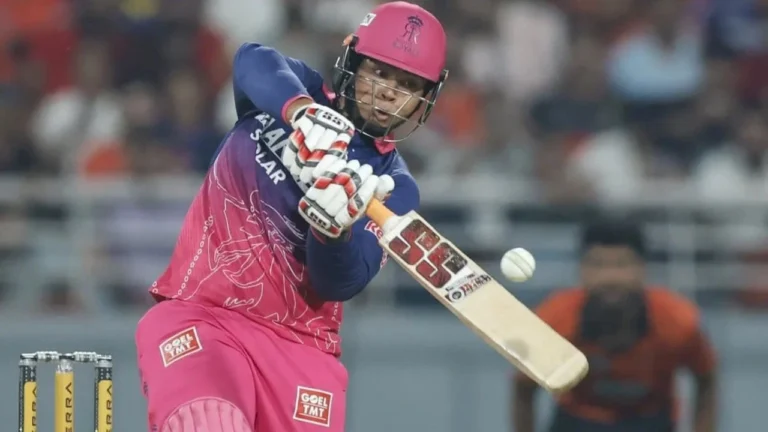
The necessity for such detailed guidelines stemmed from several high-profile incidents that cast a shadow over the league’s reputation. Specifically, team officials were observed using mobile devices in restricted areas like the dugout, while reports of players engaging in prohibited activities, such as vaping in dressing rooms, raised eyebrows across the cricketing fraternity. Teams like the Punjab Kings and Rajasthan Royals found themselves in the headlines for the wrong reasons, ranging from internal rifts to public criticism regarding unprofessional social media conduct.
Arun Dhumal: Integrity Remains the Priority
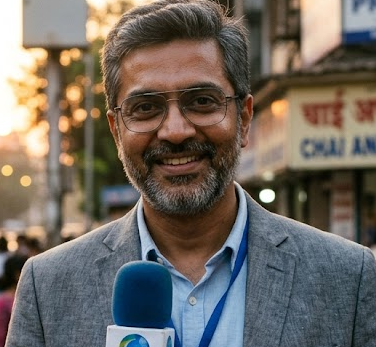
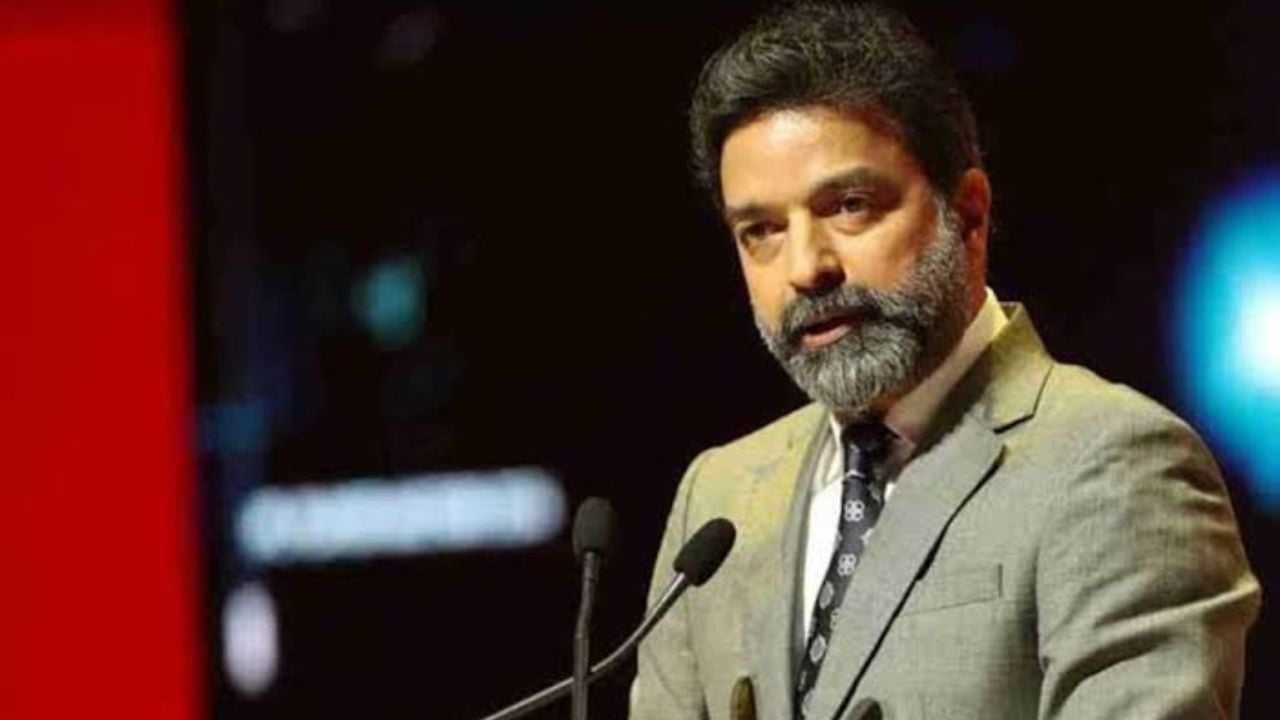
Speaking on the sidelines of a match in Dharamsala, Arun Dhumal addressed the media regarding the board’s stance. He clarified that the advisory was not a radical new policy, but rather a reinforcement of existing standards. According to Dhumal, the BCCI aims to protect the integrity of the game above all else.
“Most of the things that happen on social media, one cannot always be sure about the authenticity or how true they are,” Dhumal noted. “But whatever we need to do in terms of keeping the integrity of the game intact, we do our level best. There is much more that comes into the media than what actually is, so you have to take it with a pinch of salt.”
He expressed full confidence in the franchises, noting that they are well aware of their responsibilities. The goal is a collective effort between the governing body and the teams to maintain the quality of the tournament and the reputation of the sport.
A Critical View of Social Media
Perhaps the most striking part of Dhumal’s commentary was his personal view on digital platforms. Known for his direct approach, the IPL Chairman did not mince words when discussing the impact of social media on modern athletes.
“Social media, I would say, is the most anti-social thing,” Dhumal remarked. “I do believe there has to be a lot of socialization as players and as individuals, but unfortunately, I deem it as the most anti-social thing.”
When asked if the BCCI would move toward a total ban on social media for players during the tournament, Dhumal suggested that a forced prohibition might not be the answer. Instead, he believes in the natural evolution of understanding. He emphasized that as the novelty of digital trends wears off, players will eventually prioritize “real human values and human relationships” over online optics.
Looking Ahead
As the IPL continues to grow as a global commercial powerhouse, the balance between player freedom and professional responsibility will remain a point of contention. The BCCI’s firm stance serves as a reminder that while the league thrives on entertainment, the sanctity of the game is the foundation upon which its massive success is built. Moving forward, franchises will be under increased pressure to ensure that their players remain focused on the field, rather than on their digital personas.