India vs Pakistan Test Series: ICC Meetings Discuss Future of Test Cricket
The Future of Test Cricket Hangs in the Balance
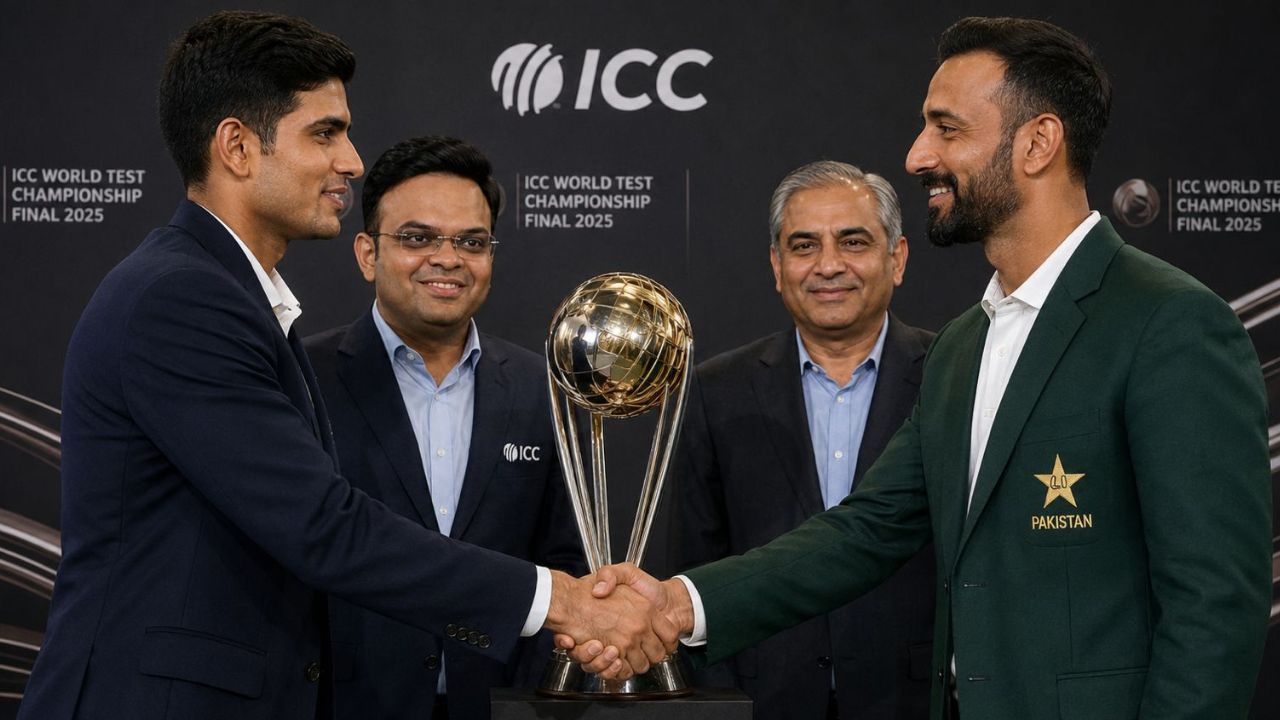
The cricketing world is turning its eyes toward Ahmedabad as the International Cricket Council (ICC) prepares for a series of pivotal meetings. Scheduled for May 30 and 31, during the high-octane conclusion of the IPL 2026, these discussions are poised to shape the trajectory of the game’s longest format. While structural changes to the World Test Championship (WTC) remain the primary agenda, one topic above all others is fueling speculation among fans globally: the potential resumption of a Test series between India and Pakistan.
ICC Governance and Scheduling Adjustments
Before the main Board meetings commence in Ahmedabad, the ICC’s Chief Executives’ Committee (CEC) is scheduled to meet virtually on May 21. These deliberations, originally intended to take place in Doha, were relocated due to the prevailing situation in West Asia. These sessions serve as a critical component of the ICC’s strategic planning process, ensuring that the sport continues to adapt to the needs of its member nations.
Amid these preparations, the participation of Pakistan Cricket Board (PCB) Chairman Mohsin Naqvi remains a point of interest. Due to ongoing geopolitical sensitivities, his physical attendance in India is not yet confirmed, raising the likelihood that he will join the discussions via a virtual link.
The Roger Twose Working Group: Expanding the WTC
A significant focus for the ICC is the recommendations brought forth by a special working group chaired by former New Zealand batter Roger Twose. Tasked with revitalizing the WTC structure, the group has proposed an ambitious expansion of the tournament. The core recommendation involves increasing the number of participating teams from nine to twelve. Such a move would be transformative for the game, potentially inviting nations like Zimbabwe, Ireland, and Afghanistan into the fold, thereby increasing the global reach of Test cricket.
Reviving the Historic Rivalry
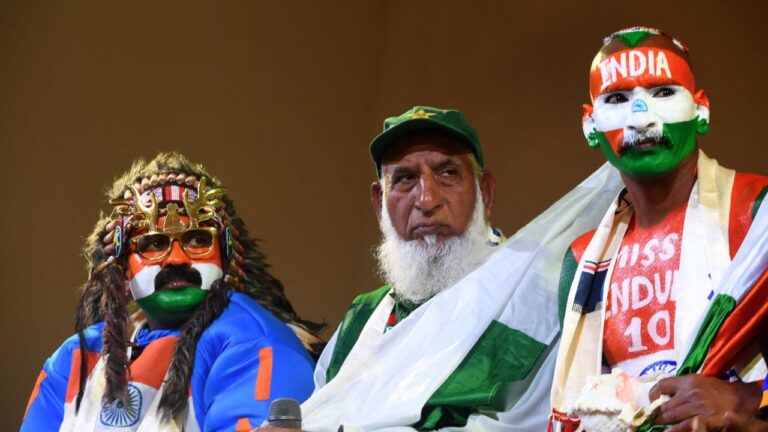
For cricket enthusiasts, the most tantalizing prospect is the return of the India-Pakistan Test rivalry. The two nations have not faced each other in a Test series since the 2007-08 season, with over 18 years of political and bilateral friction keeping the contest off the calendar. However, recent statements from PCB Chairman Mohsin Naqvi suggest a newfound openness, with the board expressing a willingness to play Test cricket against all member nations, including India, within the next Future Tours Programme (FTP).
While no official confirmation has been issued, the current discourse at the ICC level indicates that the doors to such a reunion are being examined. Any move toward this would arguably be the most significant development in Test cricket in the modern era, reigniting one of the most intense and storied rivalries in sports history.
Debating the One-Test Series Proposal
Beyond the rivalries, the ICC is also evaluating the format of the WTC itself. Currently, the WTC mandates that every series must consist of at least two Test matches. However, the Board is considering the viability of one-Test series. Proponents argue that a shorter format would alleviate the financial burdens of travel and scheduling for smaller cricket boards, allowing more nations to participate regularly. Conversely, traditionalists argue that one-off matches fail to capture the essence of a ‘Test,’ which is designed to test a team’s resilience, consistency, and depth over several days.
As the ICC gathers in July for the annual general meeting in Edinburgh, the feedback from these May meetings will be vital. The current WTC structure remains in place for the fourth cycle, and while the current FTP concludes next March, the planning for the 2027–29 cycle is already well underway. With the WTC final in England looming in June 2027, the decisions made in the coming months will set the stage for the next great era of Test cricket. Whether the game embraces a more inclusive, shorter-format structure or maintains its traditional rigor, the sport is clearly at a crossroads that could define its survival and popularity for decades to come.