ICC Rules: Real-Time Tech to Detect Illegal Bowling Actions
A Revolutionary Shift: ICC Set to Empower On-Field Umpires
The International Cricket Council (ICC) is on the verge of introducing a groundbreaking regulatory shift aimed at maintaining the integrity of bowling actions globally. In what could be a massive overhaul of the existing rulebook, the governing body has drafted major upgrades to its current playing conditions. These critical changes and amendments are scheduled to be discussed and formally passed during a high-profile meeting led by Jay Shah on May 30 in Ahmedabad.
While the ICC has laid down several updates for the upcoming cycle, the most significant and talked-about proposal is its heightened focus on eradicating suspect and irregular bowling actions. For years, the cricket world has debated how to manage bowlers who push the limits of legal delivery extension, and this latest move indicates that the ICC is ready to implement a permanent, high-tech solution.
Real-Time Hawk-Eye Integration: The End of Tedious Post-Match Reviews?
Historically, dealing with a suspect bowling action has been a slow, bureaucratic affair. Under the current protocol, on-field match officials are largely powerless during active play. If an umpire suspects a bowler is chucking, they cannot take immediate disciplinary action or suspend the bowler on the spot. Instead, a tedious post-match reporting system is initiated, where the suspect action is reviewed by a specialized ICC committee only after a bilateral series or tournament concludes.
This delay has often drawn criticism, as potentially illegal actions can influence the outcome of crucial games before a ruling is made. However, the ICC’s new proposal seeks to revolutionize this workflow by arming on-field umpires with a specialized device connected to Hawk-Eye data. This will allow them to review and potentially ban players with illegal actions in real time during a live match.
According to a report by Cricbuzz, the plan involves giving on-field umpires direct access to Hawk-Eye metrics to analyze bowlers for illegal actions as the match progresses. While the exact operational logistics of this real-time review process are still being finalized, the ICC’s intent to crack down on suspect actions is clear.
Usman Tariq in the Spotlight: High-Profile On-Field Incidents
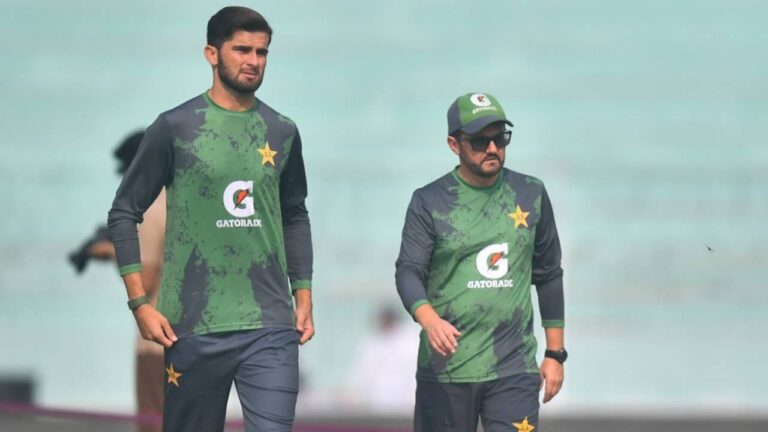
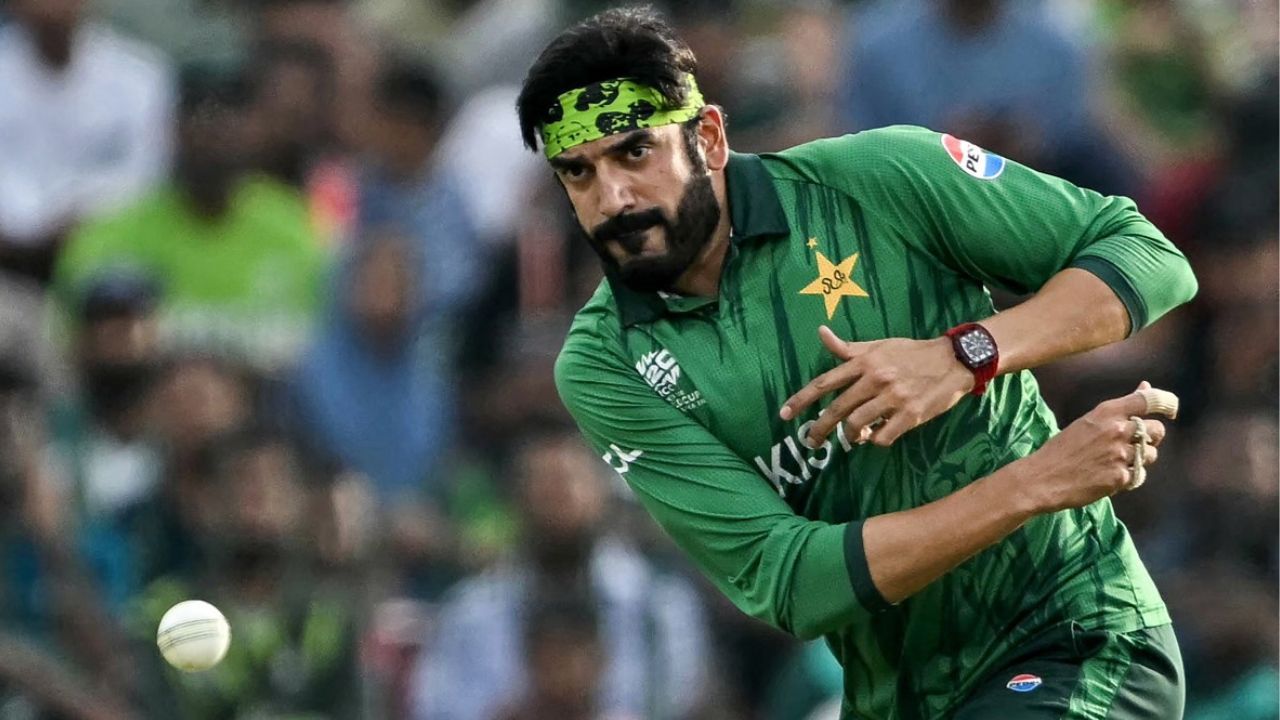
One player who could be heavily impacted by this technological shift is Pakistan spinner Usman Tariq. Tariq has recently drawn significant attention due to his highly unusual and unorthodox bowling action, which has raised eyebrows among international cricketers and commentators alike.
During Australia’s tour of Pakistan, all-rounder Cameron Green found himself in a tense situation when he openly accused Tariq of employing an illegal bowling action, gesturing directly to the on-field umpires. Although Green eventually apologized to Tariq for the public gesture, the incident magnified the scrutiny surrounding the spinner’s delivery stride.
The controversy followed Tariq into the Pakistan Super League (PSL) 2026. In a notable match, New Zealand batsman Daryl Mitchell backed away from the crease twice during Tariq’s spell, expressing clear dissent and dissatisfaction with the spinner’s action. Under the proposed rules, umpires would no longer have to wait for official post-series complaints; they could immediately utilize real-time technology to assess Tariq’s action on the spot and make a definitive ruling.
Cleared in Lahore: Tariq’s Action Deemed Clean
Despite the intense on-field scrutiny and player frustrations, it is important to note that Tariq has actively worked to clear his name. He underwent official testing at the ICC-accredited testing center in Lahore, Pakistan, where analysts evaluated his mechanics and officially cleared his action as legal.
Discussing the nuances of Tariq’s delivery, former ICC umpire Anil Chaudhary offered a technical perspective on what makes the spinner’s action so polarizing. Chaudhary explained that the issue lies more in the timing of Tariq’s release rather than the physical extension of his arm.
“If the pause is obviously longer or shorter, or if he bowls without a pause, that will be considered deception,” Chaudhary noted in a past assessment. “Everything seems OK up to now. I am not seeing anything wrong.”
Decoding the Rules: The 15-Degree Threshold
To understand why these technology-backed real-time decisions are crucial, it is helpful to look at the strict limits defined by the ICC regarding illegal deliveries. Under the governing body’s official playing conditions, a bowling action is classified as illegal if the extension of the bowler’s elbow joint exceeds a specific limit.
The ICC rules clearly define this limit: “An illegal bowling action is a bowling action where the player’s elbow extension exceeds 15 degrees between their arm reaching the horizontal and the ball being released.”
With the integration of real-time Hawk-Eye data, umpires will soon have the scientific precision needed to measure this 15-degree threshold on the fly. This massive technological leap ensures that the game remains fair, swift, and transparent, setting a new standard for modern cricket officiating.