Former Indian legend backs Rishabh Pant after LSG skipper dropped F-Bomb on live TV
The Pressure of the IPL Spotlight
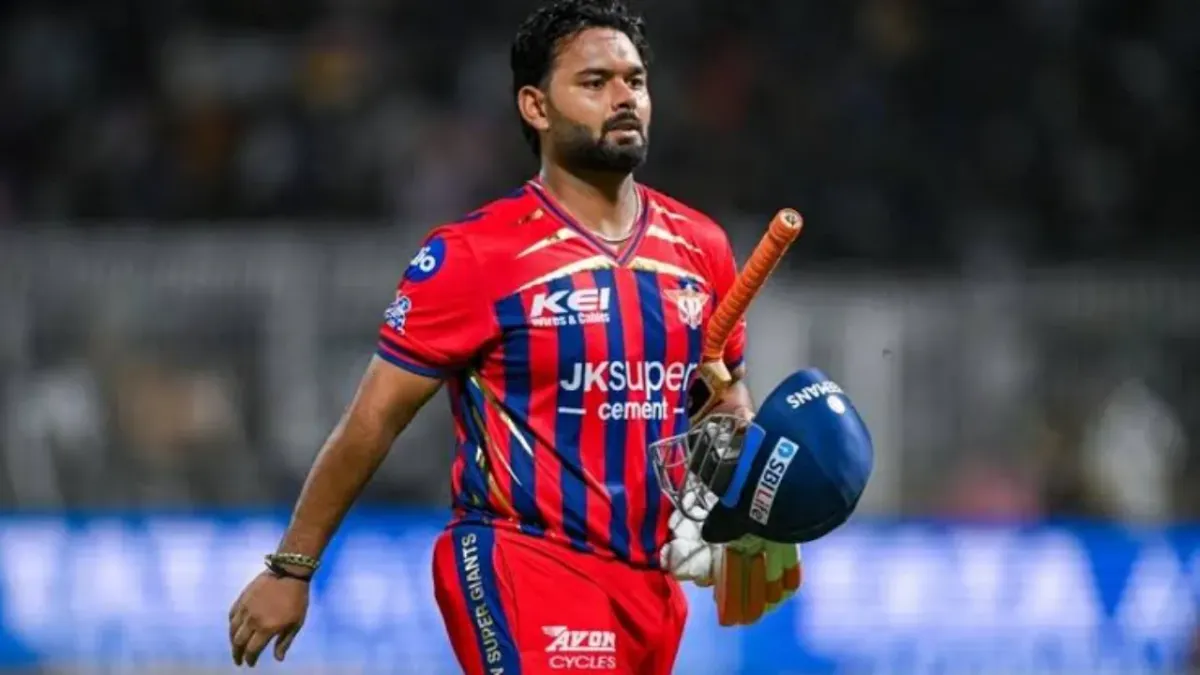
The high-octane environment of the Indian Premier League (IPL) is known to test the nerves of even the most seasoned professionals. Following a grueling and ultimately unsuccessful IPL 2026 campaign, Lucknow Super Giants (LSG) captain Rishabh Pant found himself at the center of a public controversy. After leading his side to a bottom-place finish with only eight points from 14 matches, the frustration culminated in an unexpected moment during a post-match television interview.
The Incident Unfolded
While speaking to former West Indian pace legend Ian Bishop, Pant was questioned about the team’s lackluster performance throughout the season. In a moment of raw emotion, the 28-year-old wicketkeeper-batter remarked: “Despite everything that happened, we are a good team. Things haven’t gone our way this season, but it cannot change the fact that we are a F****** good team.” The slip of the tongue during the live broadcast prompted an immediate apology from Bishop to the viewers at home.
Sunil Gavaskar Offers Perspective
In a show of support for the young leader, former Indian captain Sunil Gavaskar has weighed in on the incident. Writing in his column for Mid-Day, the 76-year-old cricket icon emphasized the necessity of reconsidering the current protocol of interviewing a losing captain immediately after a match concludes. Gavaskar argued that the emotional and physical toll of the game—compounded by the sweltering heat Pant endured while keeping wickets for the full duration of the innings—naturally contributed to a heightened state of frustration. By asking questions when tensions are at their peak, broadcasters may be inadvertently setting players up for these slips.
Rethinking Post-Match Protocols
Beyond simply defending the player, the discourse has shifted toward potential systemic changes. The veteran commentator described Pant as a inherently ‘cheerful’ and passionate player who thrives on the game’s energy. When such a jovial character loses his composure, it serves as a clear indicator of the immense pressure being placed on these athletes. An alternative suggestion gaining traction is for broadcasters to prioritize interviews with the ‘Player of the Match’ instead of the losing skipper.
Why Timing Matters
The logic behind this proposed shift is straightforward: providing losing captains with a ‘cooling-off’ period would allow them to reflect, refresh, and process the result before facing the cameras. This transition would not only protect the players from further public backlash but also foster a more professional and composed media environment. As the cricketing world continues to evolve, the case of Rishabh Pant serves as a poignant reminder that while players are public figures, they are also subject to the physical and mental exhaustion that comes with competing at the highest level of sport. By adjusting how and when these high-stakes interviews occur, the game can ensure that the focus remains on the action on the field rather than the inevitable frustrations of the dugout.