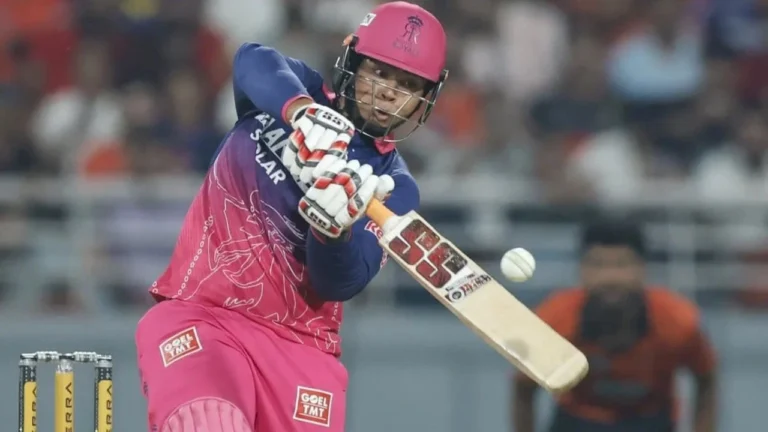
Faisal Iqbal Criticizes Pakistan Batters and Babar Azam’s Mindset in Sylhet Test
A Troubling Trend in Pakistan Cricket
The Pakistan national cricket team finds itself under intense scrutiny once again. Following a disappointing series of results, the squad led by Shan Masood has faced heavy criticism for a lackluster batting performance against Bangladesh in the second and final Test at the Sylhet International Cricket Stadium. After dropping the first Test by 104 runs in Dhaka, the team arrived in Sylhet desperate to restore pride, yet their inability to handle pressure has once again taken center stage.
The Sylhet Struggle: How the Match Unfolded
The match began promisingly for Pakistan. Winning the toss, Shan Masood opted to bowl in overcast conditions, a decision that initially paid dividends. The pace attack, led by Khurram Shahzad and Mohammad Abbas, dismantled the Bangladeshi top order, leaving the hosts reeling at 117/6. However, a resilient 126-run knock from Litton Das allowed Bangladesh to post a competitive total of 278, highlighting a recurring issue for Pakistan: the inability to close out an opposition when they are down.
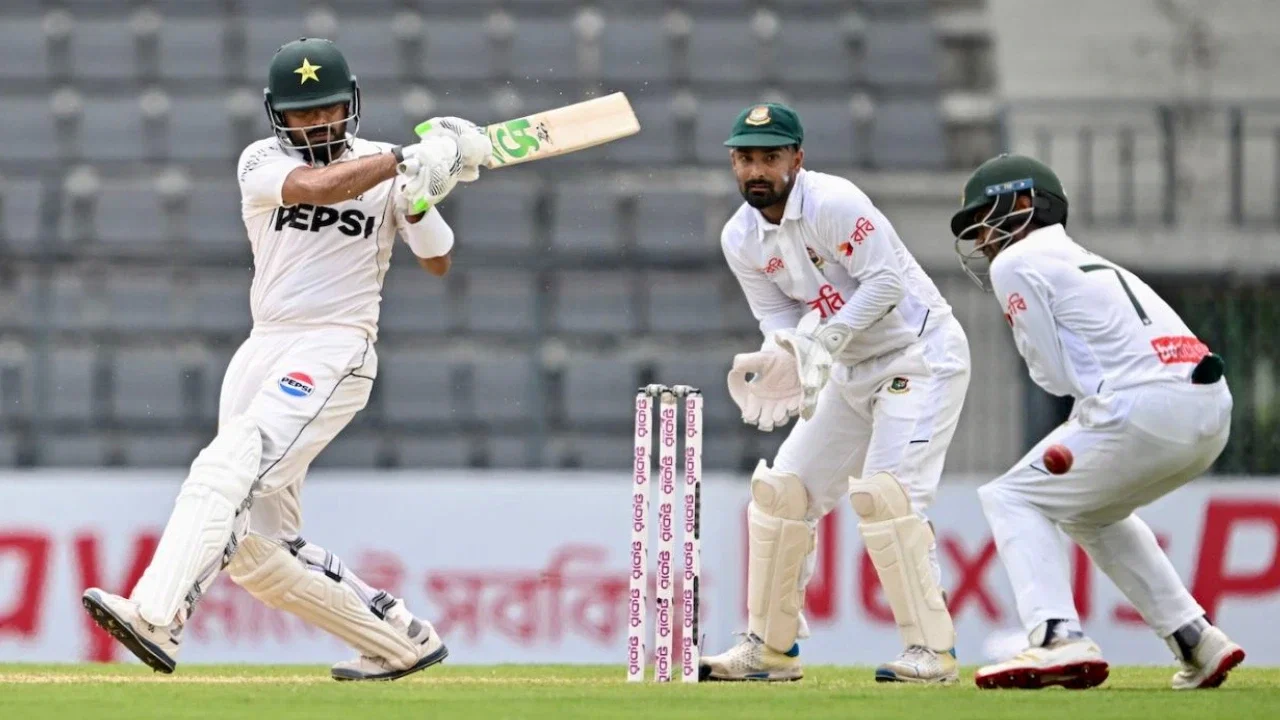
Pakistan’s response with the bat was arguably the most disheartening aspect of the game. Despite a steady start, the batting lineup crumbled against a disciplined Bangladesh bowling attack. While Babar Azam managed a fighting 68, he found little support from the other end. The team was eventually bundled out for 232, handing Bangladesh a crucial 46-run first-innings lead.
Faisal Iqbal Fires Back
The aftermath of this performance triggered a sharp response from former Test cricketer Faisal Iqbal. Taking to social media, Iqbal expressed his profound disappointment with the senior players’ lack of composure. He specifically targeted the team’s ongoing struggles in Test cricket, which he believes have reached a critical point.
Iqbal’s critique of Babar Azam was particularly pointed. He questioned the former captain’s mindset, suggesting that his prolonged struggle with form is indicative of a lack of temperament required for the longest format of the game. In his post, Iqbal stated: “Where has our test cricket gone now? Seniors have played so much cricket and are useless in pressure situations, throwing away their wickets. Unfortunately, Babar’s struggle is too long; NO temperament at all. He doesn’t have any capability to save the team in tough situations.”
A Deeper Look at the Mental Block
The frustration voiced by Iqbal echoes the sentiments of many fans who feel that Pakistan’s batting unit lacks the tactical awareness and mental toughness to excel in Test conditions. The reliance on senior players to anchor the innings has become a liability when those very players fail to stabilize the side during moments of crisis. Babar Azam, once seen as the undisputed pillar of the batting order, is now facing questions regarding his role and his ability to adapt his game to the rigors of modern Test cricket.
The Path Forward for Pakistan
As the match progressed, Bangladesh continued to solidify their position. With Mahmudul Hasan Joy contributing a solid half-century and the lead extending past 150 runs, the pressure on the Pakistan side only intensified. The hosts entered Day 3 in a commanding position, leaving the touring side with a mountain to climb if they hope to salvage anything from the series.
This performance serves as a grim reminder that raw talent alone cannot win Test matches. Without a clear plan to address the mental fragility of the batting lineup, Pakistan’s struggles are unlikely to abate. The call for accountability from figures like Faisal Iqbal underscores the urgency for a change in approach, both in terms of team selection and the psychological preparation of players for the challenges of Test cricket.
Whether the team can rally in the remaining days of the Sylhet Test remains to be seen, but the bridge between expectation and performance has rarely felt wider. For Pakistan cricket, the questions raised in the aftermath of this match are not merely about skill—they are about the very culture of the team and their ability to stand tall when the conditions demand grit and determination.