Babar Azam Surpasses Ben Stokes in World Test Championship Fifty Record
A New Milestone for Babar Azam
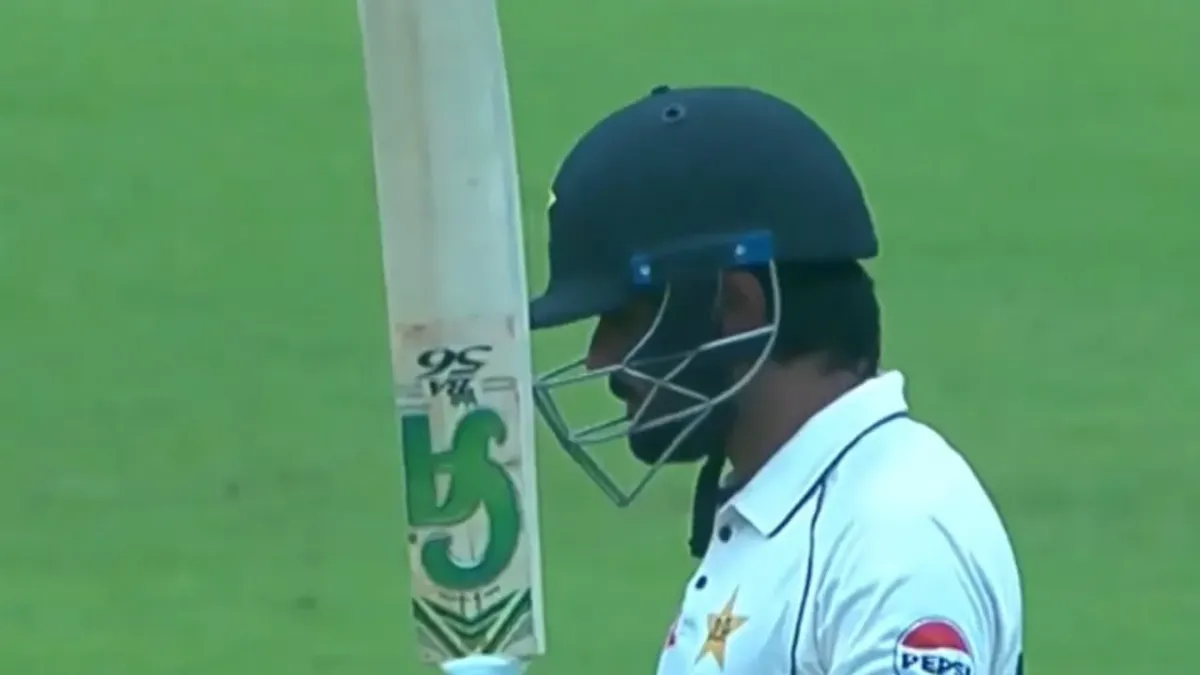
In a display of consistency on the international stage, former Pakistan captain Babar Azam has reached a notable personal landmark. During the ongoing Test match between Bangladesh and Pakistan in Sylhet, Azam secured his 28th half-century in the history of the World Test Championship (WTC). This performance has allowed him to move ahead of England’s Test captain, Ben Stokes, who currently holds 27 half-centuries in the competition.
WTC Batting Leaders and Context
The leaderboard for half-centuries in the World Test Championship remains a highly competitive field. Joe Root, the prolific English batter, currently leads the tally with 45 fifties. The Australian contingent follows closely, with Marnus Labuschagne holding 35 half-centuries and Steve Smith recording 34. Meanwhile, for the Indian team, all-rounder Ravindra Jadeja leads his side with 23 fifties, followed by Rishabh Pant with 22 and the rising talent Yashasvi Jaiswal with 20.
Babar Azam’s entry into this match was a subject of much discussion. Having missed the opening fixture in Dhaka due to fitness concerns, he returned to the playing eleven to replace Imam-ul-Haq. Prior to the match, the atmosphere surrounding the Pakistan team was intense, with media speculation suggesting that Azam might be considered for a return to the Test captaincy, replacing Shan Masood, following the team’s struggles in the first Test.
Bangladesh Bowlers Tighten the Grip
Despite Babar Azam’s individual achievement, the match itself has proven to be a difficult test for the visiting side. After limiting the hosts to 278 runs in their first innings, Pakistan found themselves under significant pressure as the Bangladeshi bowling attack dismantled their batting order throughout the day.
The day began with Pakistan showing promise, but Taskin Ahmed soon shifted the momentum. Ahmed claimed the early wicket of Abdullah Fazal, who was caught by Litton Das for nine. Shortly after, Azan Awais fell to the same bowler for 13. While Shan Masood and Babar Azam managed to string together a 38-run partnership for the third wicket, the resistance was broken when Mehidy Miraz removed Masood for 21. Miraz continued his effective spell, quickly accounting for Saud Shakeel, who departed for just six runs.
The pivotal moment arrived in the 40th over when Nahid Rana claimed the prized wicket of Babar Azam, who was caught by Mushfiqur Rahim, silencing the visiting dugout.
Taijul Islam Orchestrates a Collapse
If the early breakthroughs by Taskin and Miraz put Pakistan on the back foot, it was the arrival of Taijul Islam that truly signaled the potential for a batting collapse. The left-arm spinner exploited the conditions effectively, dismantling the lower middle-order with clinical precision.
Taijul first dismissed Salman Agha for 21, before systematically clearing out the rest of the order. He claimed the key wicket of Mohammad Rizwan for 13, and shortly after, dismissed Hasan Ali for 18. By the tea break, Pakistan was reeling at 206 for the loss of eight wickets, still trailing the Bangladeshi total by 73 runs. As the match progresses into its final phases, the responsibility now falls on Sajid Khan, who remains at the crease on 12, partnered by Khurram Shahzad on 10, to bridge the deficit and keep Pakistan’s hopes alive in this challenging Test encounter.
This performance highlights both the enduring quality of Babar Azam as a world-class batter and the formidable challenge posed by the Bangladeshi spin-bowling department on home soil. As the match continues, all eyes will be on whether the tail can provide enough resistance to keep the contest competitive.