PBKS Crisis: Brad Haddin Admits Pressure Is Hurting Punjab Kings’ Playoff Hopes
The Pressure Mounts for Punjab Kings
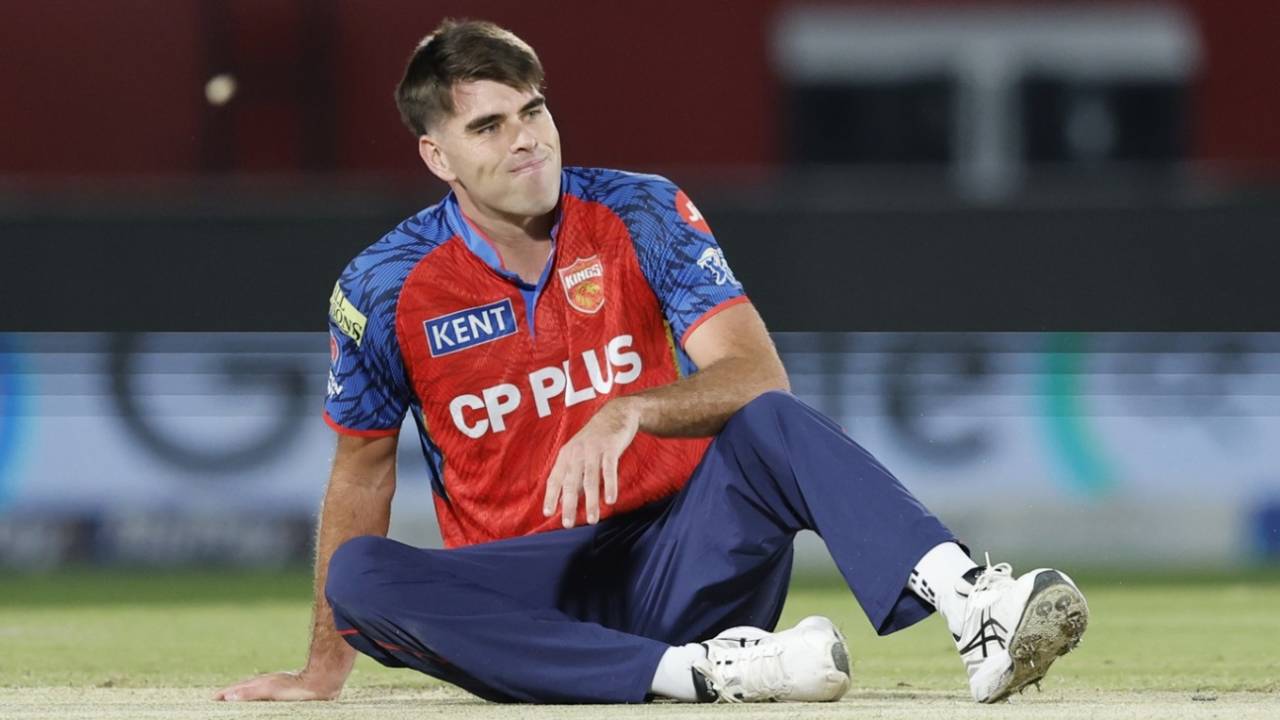
The Punjab Kings (PBKS) are currently navigating a turbulent period in their 2026 Indian Premier League (IPL) campaign. Following a fifth consecutive loss, this time to the already-eliminated Mumbai Indians (MI) in the scenic setting of Dharamsala, the atmosphere within the camp is one of urgent introspection. Assistant coach Brad Haddin, speaking at the post-match press conference, repeatedly emphasized a singular, daunting reality: the team must find a way to navigate high-pressure situations.
“We just haven’t been able to handle the pressure in the last few defeats,” Haddin candidly admitted. Despite their early-season dominance, which currently keeps them in the hunt for the playoffs, the recent dip in performance has raised significant questions about the team’s composure during the business end of the tournament.
Lost Momentum and the Batting Rut
The transition from a high-scoring juggernaut to a side struggling for consistency has been stark. Not long ago, the Punjab Kings were chasing down targets like 264 with relative ease, showcasing a batting lineup led by the likes of Prabhsimran Singh and Shreyas Iyer. However, since that electric victory against the Delhi Capitals on April 25, the team’s batting intent has seemingly evaporated.
Former international cricketer Mitchell McClenaghan, providing analysis on ESPNcricinfo TimeOut, noted that the top order appears to have lost its way. “They looked a little bit rattled at the top,” McClenaghan remarked. The consensus among pundits is that the confidence that once characterized their powerplay batting has been replaced by a tentative approach, leaving the middle and lower order with too much work to do.
The Yuzvendra Chahal Tactical Dilemma
Beyond the batting struggles, tactical decisions—specifically regarding the usage of star spinner Yuzvendra Chahal—have come under intense scrutiny. A recurring theme this season has been the team management’s reluctance to deploy Chahal against left-handed batters, a strategy that has drawn criticism from analysts like Abhinav Mukund.
In the clash against Mumbai Indians, Chahal began his spell effectively, recording figures of 3-0-12-1. Yet, he was held back from his final over until the 16th, a decision that proved costly. With left-handers Tilak Varma and Sherfane Rutherford at the crease, the delay allowed the momentum to shift decisively toward the opposition. “That’s the reluctance of Punjab, which we’ve been talking about from the start of the season: the reluctance of bowling Yuzi Chahal to lefties,” Mukund argued, pointing out that Varma had been struggling against Chahal before the decisive over.
A Need for Tactical Flexibility
The constraints of the Impact Player rule also hampered PBKS in their latest encounter. With the tactical necessity of subbing in Vishnu Vinod during the batting innings, the team forfeited the ability to utilize an extra bowler, a luxury they have grown accustomed to throughout the season. This lack of a sixth-bowling option forced the captain into a rigid deployment of his five primary bowlers, limiting the team’s ability to adapt when plans began to unravel.
The Road Ahead
Despite the current rut, Haddin remains focused on the immediate future. With two league games remaining—one against Royal Challengers Bengaluru (RCB) and a final clash against the Lucknow Super Giants (LSG)—the path to the playoffs remains in their own hands. However, as Haddin succinctly put it, “There’s no tomorrow. We have to win our remaining games now. And that’s as simple as it is.”
The coaching staff and players now face a defining 48 hours. They must reconcile their early-season tactical successes with the current need for adaptability and composure. Whether they can reignite their big-hitting form and optimize their bowling rotation will determine if the Punjab Kings can salvage their season and make an impact in the final stages of IPL 2026.