Revealed: Why New Zealand vs Ireland Is A 4-Day Test Instead Of 5? – Why the New Zealand vs Ireland Test Match is Only Four Days Long
An Unconventional Test Match Format
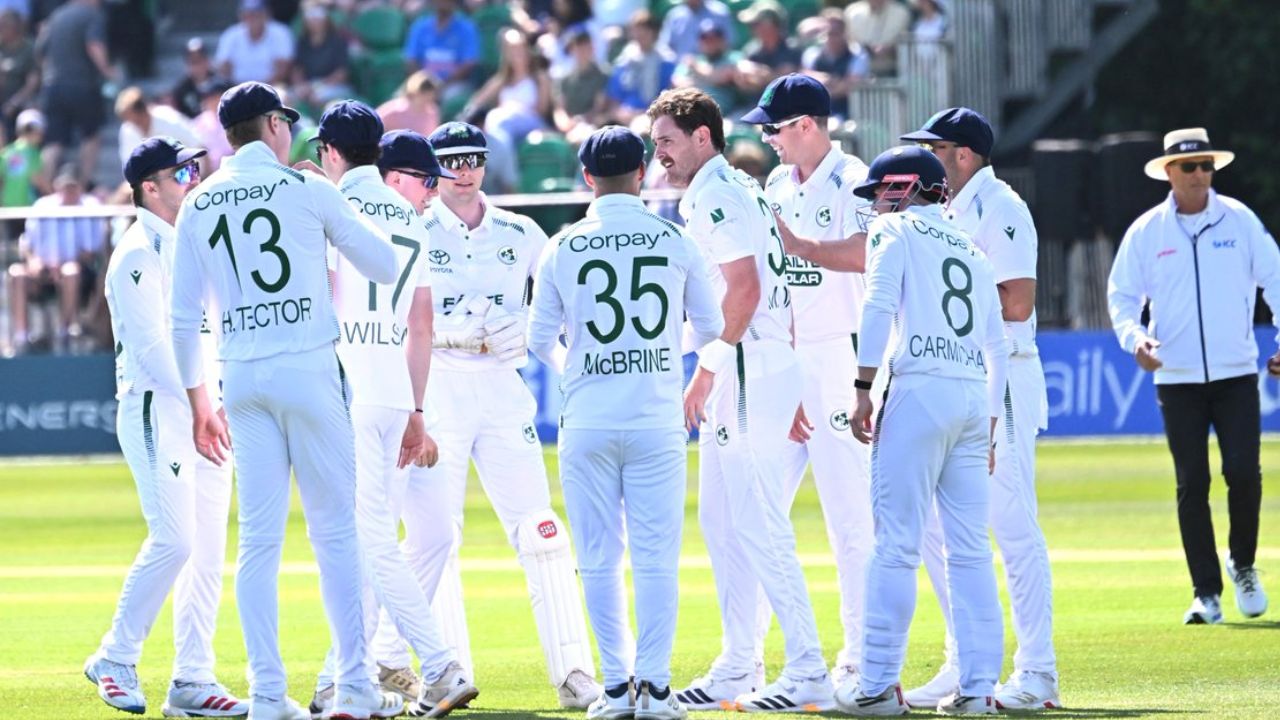
When the cricket world turns its eyes to the Belfast Stadium for the highly anticipated clash between New Zealand and Ireland, many observers were surprised to note that the match is scheduled for only four days. While the five-day format remains the pinnacle of red-ball cricket, the decision to host this particular fixture over four days has raised questions among enthusiasts. This article delves into the logic, the regulations, and the strategic benefits behind this specific match structure.
The ICC‘s Stance on Four-Day Tests
Since 2017, the International Cricket Council (ICC) has permitted member boards to organize four-day Test matches, provided that both participating nations mutually agree to the terms. This policy was introduced primarily to assist smaller cricket boards. Hosting a full five-day Test match involves significant operational costs, including venue maintenance, staffing, and broadcasting requirements. By reducing the duration, the ICC aims to make the longest format of the game more accessible and financially viable for emerging cricket nations.
Why Ireland and New Zealand Opted for Four Days
For Ireland, hosting a Tier A side like New Zealand is a monumental task that brings both prestige and logistical challenges. The decision to play a four-day match serves two primary purposes:
- Financial Sustainability: Reducing the match duration helps mitigate the overhead costs associated with hosting a high-profile international fixture.
- Developmental Growth: Ireland’s team has had limited exposure to first-class cricket. Engaging in a four-day Test against a seasoned side like the BlackCaps provides invaluable experience, helping the Irish squad bridge the gap in their red-ball development.
For New Zealand, the match carries a dual utility. With a high-stakes three-match Test series against England scheduled to commence on June 4, the Irish fixture serves as an essential warm-up. By playing a competitive four-day match, the Kiwis can acclimatize to conditions in the UK and refine their strategies against a motivated opponent.
Understanding the Rules of a 4-Day Test
While the essence of Test cricket remains, the technical rules for a four-day match differ from the traditional five-day structure to ensure the game remains competitive and conclusive:
- Over Rates: To compensate for the loss of a day, four-day Tests require a minimum of 98 overs to be bowled each day, compared to the standard 90 overs required in a five-day game.
- The Follow-on Rule: The threshold for enforcing a follow-on is adjusted; a team must hold a lead of at least 150 runs to enforce it, rather than the standard 200-run lead seen in five-day matches.
This match marks the fifth time in history that a four-day Test has been contested, following the precedent set by South Africa and Zimbabwe in 2018.
Why This Test Is Excluded from the WTC Cycle
A common point of confusion among fans is the impact of this match on the World Test Championship (WTC) standings. Currently, Ireland does not hold a position within the top-10 ranked Test nations, and therefore, they are not a participant in the current WTC cycle. Since only one of the participating teams—New Zealand—is part of the championship, the result of this encounter will not be recorded in the official WTC table. Consequently, New Zealand’s standing, which currently sees them holding a strong position behind Australia, will remain unaffected by the outcome of this specific fixture.
Final Thoughts
While traditionalists may favor the five-day format, the four-day Test serves as a vital bridge for cricket’s growth. It allows smaller boards to compete at the highest level without facing unsustainable financial pressure and provides a platform for teams to develop their talent. As the game continues to evolve, matches like New Zealand vs Ireland demonstrate that the spirit of Test cricket can thrive even within an adjusted framework.