R Ashwin pinpoints biggest reason behind Mumbai Indians’ IPL 2026 horror show
Anatomy of a Failure: Analyzing the Mumbai Indians’ 2026 Season
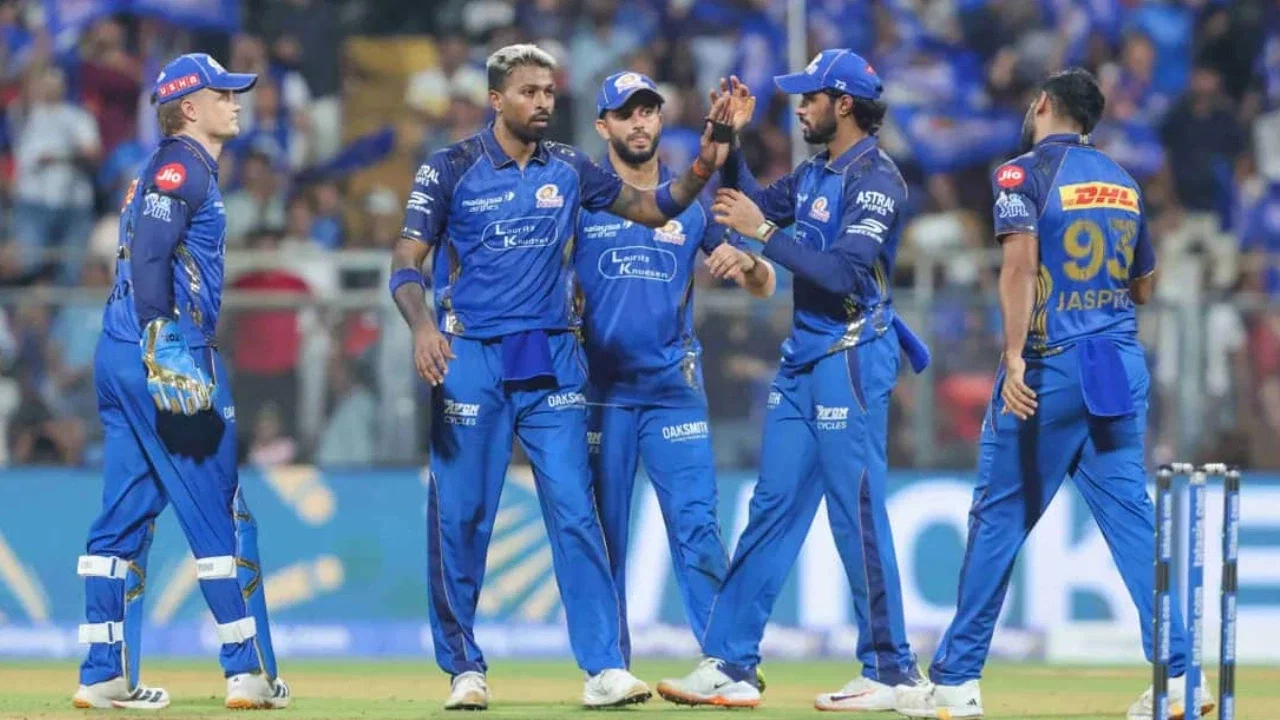
The Mumbai Indians, a franchise historically synonymous with excellence and tactical brilliance, experienced an IPL 2026 season that can only be described as a comprehensive collapse. Winning only four of their 14 matches, the team narrowly avoided the bottom of the table, saved only by a superior net run rate compared to the Lucknow Super Giants. For a team that prided itself on being the gold standard of T20 cricket, the results were a staggering departure from their winning DNA.
The Statistical Breakdown of the Collapse
The season began with a flicker of hope—a drought-breaking win in their season opener—but that quickly turned into a prolonged nightmare. A four-match losing streak brought immediate pressure, and despite a brief victory against the Gujarat Titans, the team slipped into another three-game skid. By the time they suffered a heartbreaking loss to RCB in Raipur, their elimination was confirmed, marking the third time in five years they failed to reach the playoffs. The contrast to their 2025 heroics, where they mounted a legendary comeback to reach Qualifier 2, could not be more stark.
The Human Cost: Injuries and Fatigue
Ravichandran Ashwin, in his analytical review of the season, noted that the team’s core was severely compromised by physical ailments. It was an uphill battle from the start:
- Rohit Sharma: Struggled with recurring toe and hamstring issues that forced him to miss critical middle-season fixtures.
- Hardik Pandya: Grappled with a back spasm that sidelined him during the vital final stages of the tournament.
- Jasprit Bumrah: Revealed to be battling an injury throughout the campaign, severely impacting his effectiveness.
- Key Absences: Both Mitchell Santner and Quinton de Kock were ruled out for the entire duration, leaving gaping holes in the squad’s composition.
The Jasprit Bumrah Paradox
Perhaps the most baffling element of the season was the form of Jasprit Bumrah. Ashwin identified this as the elephant in the room. Historically one of the most reliable bowlers in the game, Bumrah finished the season with just four wickets across 13 matches at an eye-watering average of 102.50. Ashwin highlighted the gravity of this statistic, noting, “This is the first time in the history of IPL that a bowler has averaged over 100 after playing the full season. I don’t think anybody would have believed me if I had said this before the season.”
Hardik Pandya’s Struggling Form
The captaincy tenure of Hardik Pandya also came under scrutiny. Managing just 206 runs in 10 matches at an average of 22.89, his batting failed to provide the explosive impetus usually associated with his play. Ashwin suggested that the shift in role from his time at Gujarat Titans to his current setup has exposed a weakness against the hard-length ball. Whether it is fatigue or a lingering physical issue, the lack of his characteristic spin-hitting prowess was a significant blow to the team’s middle order.
The Future and the ‘One Family’ Dilemma
Looking toward the 2027 season, the Mumbai Indians face difficult personnel decisions. Ashwin predicts a restructuring of the squad, specifically noting the likely departure of Trent Boult to free up salary cap space. While the franchise maintains an ethos of ‘One Family,’ the reality of modern IPL business necessitates ruthless decisions. Boult’s own performance—two wickets in five matches at an economy rate exceeding 11—makes his retention a difficult sell.
Reflecting on the road ahead, Ashwin offered a sobering outlook. While he acknowledges the pedigree of the Mumbai Indians players, he remains skeptical of an immediate turnaround. “I wouldn’t be surprised if they also find it hard for one more year,” Ashwin remarked. With several players failing to operate at their peak, the path back to the top of the podium looks longer and steeper than ever before for one of the IPL’s most storied franchises.