‘No one is going to point fingers’ – Pollard on Hardik’s captaincy
Reflecting on a Tumultuous Campaign
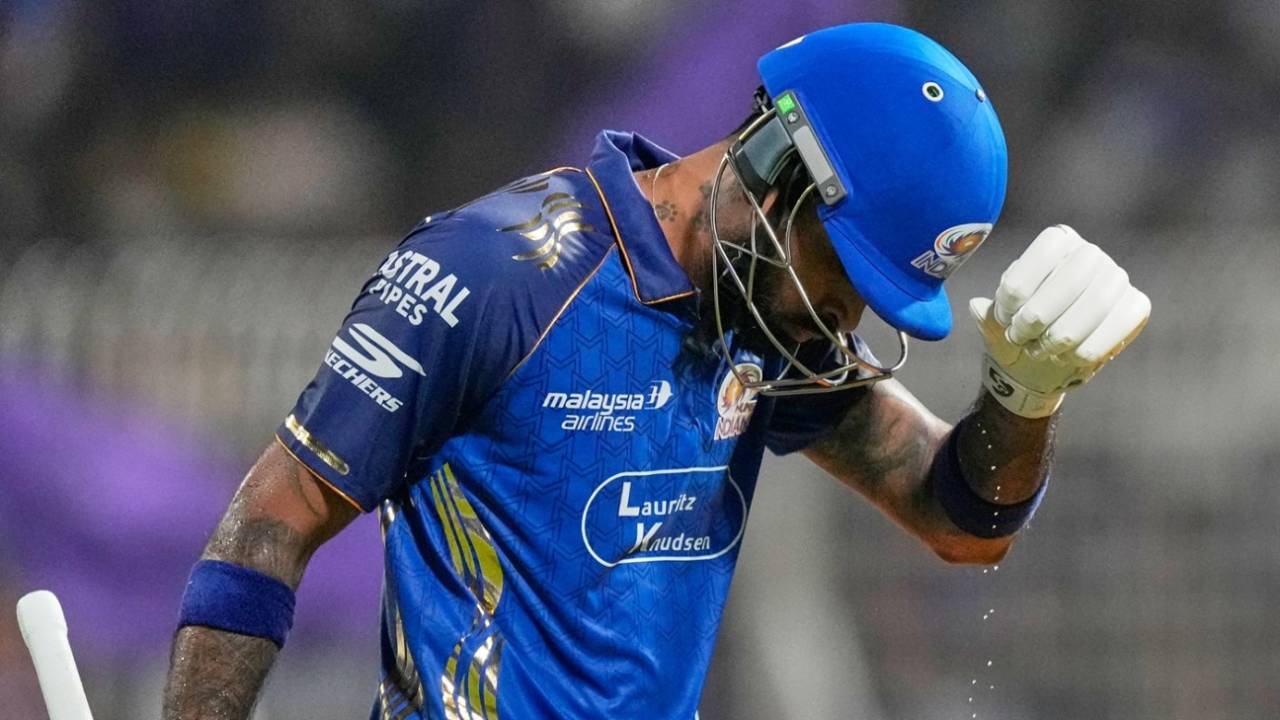
The 2026 Indian Premier League (IPL) season has officially drawn to a close for the Mumbai Indians, and for the five-time champions, it was a year defined by the narrative of ‘what-ifs.’ Following a final defeat against the Rajasthan Royals, Mumbai Indians batting coach Kieron Pollard offered a somber assessment of a campaign that saw the franchise finish near the bottom of the table. Pollard did not shy away from the reality of the situation, acknowledging the disappointment felt by the management, players, and the loyal fanbase.
“Overall, it has been disappointing for all of us as Mumbai Indians,” Pollard stated during the post-match press conference. “We weren’t good the entire tournament. We weren’t able to sort of string together wins and use the momentum when we got it.”
Avoiding Knee-Jerk Reactions
While the temptation to dissect every failure immediately is high, Pollard emphasized the need for a measured approach. He argued that rushing into a post-mortem while emotions are still raw would be counterproductive. Instead, the franchise plans to take the necessary time to conduct a comprehensive assessment of where the strategy failed. According to Pollard, making hasty decisions now would be irresponsible from a management perspective. The objective is to allow every stakeholder the space to reflect, ensuring that future corrective measures are based on logic rather than frustration.
Addressing the Hardik Pandya Narrative
Perhaps the most scrutinized aspect of the 2026 season was the leadership transition. Amidst external speculation and criticism regarding Hardik Pandya’s tenure as captain, Pollard maintained a stance of collective responsibility. When asked directly about the performance of the skipper, he remained firm: “No one is going to point fingers. I think when you lose, you have to look at it from a collective perspective.”
Pollard highlighted that the team provided Pandya with every possible resource to succeed. He noted that while the season did not go as planned, individual blame is not the ethos of the Mumbai Indians dressing room. “He was trying, we all were trying, and it just didn’t work out for us,” he added, reinforcing the idea that the entire squad shares the burden of the underwhelming results.
The Jasprit Bumrah Situation
Another point of contention throughout the tournament was the form of premier fast bowler Jasprit Bumrah. While his economy rate remained impressive at 8.37, his wicket-taking output hit a historic low, with only four scalps in the matches he played. Pollard provided necessary context, revealing that the star pacer had been struggling with a niggle since the T20 World Cup.
“We tried to manage it. He wasn’t his best self in terms of fitness, but he was able to come and try to deliver,” Pollard explained. Addressing the decision to leave Bumrah out for the final game, the coach clarified that it was a strategic choice to protect a “prized possession” of Indian cricket rather than a sign of poor form. With the team already out of playoff contention, the management prioritized the player’s long-term health over a redundant appearance.
Looking Toward the Future
The road ahead for Mumbai Indians requires deep introspection. It has been several years since the franchise tasted championship glory, and Pollard is well aware that the current standard falls short of the club’s illustrious history. “It has been a while that we have won the championship and that’s something that we have accepted as a team,” he remarked. The focus is now on the upcoming off-season, where detailed evaluations of player retentions and tactical shifts will take place. As the dust settles on IPL 2026, the emphasis remains on structural improvement, unity, and a return to the winning culture that has defined the Mumbai Indians for over a decade.