“Skipping handshakes is a red flag” – Ambati Rayudu, Mark Boucher react to Virat Kohli-Travis Head clash
Analyzing the Tensions of IPL 2026
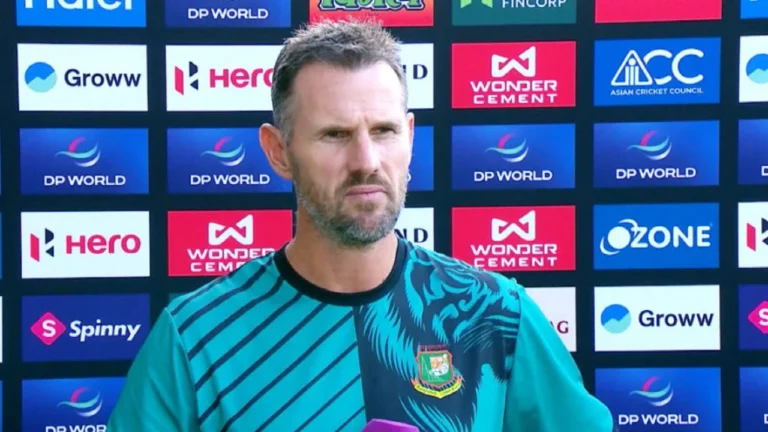
The Indian Premier League is no stranger to intensity, but the 2026 edition has sparked debates that extend far beyond the boundary ropes. As emotions run high in the world’s premier T20 tournament, the conduct of marquee players has come under intense scrutiny. Recently, former international cricketers Ambati Rayudu and Mark Boucher sat down for a candid rapid-fire discussion to dissect the behaviors defining this season, with a specific focus on the viral moments that have captured the attention of fans globally.
The Handshake Controversy: A Matter of Respect
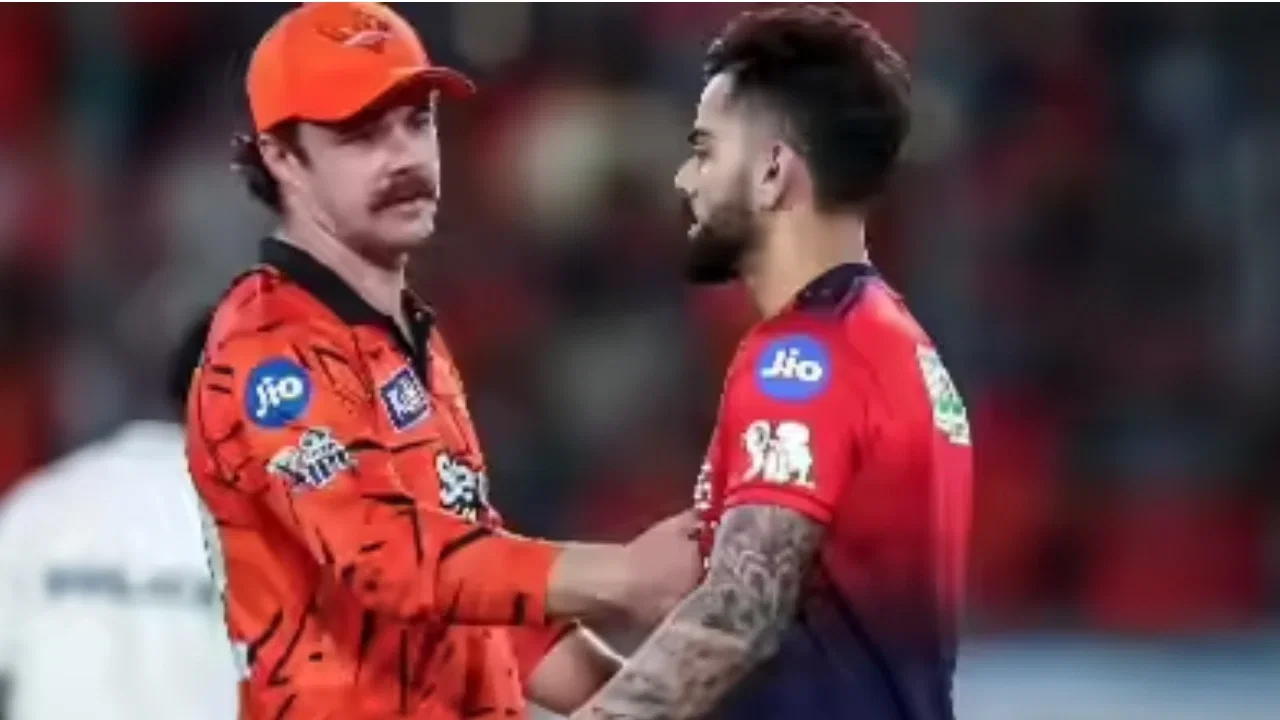
Perhaps the most discussed moment of the season occurred on May 22, during the high-stakes clash between Royal Challengers Bengaluru and Sunrisers Hyderabad. An intense verbal exchange between Virat Kohli and Travis Head spilled over, eventually manifesting in a contentious post-match handshake line. When asked about this incident, Ambati Rayudu and Mark Boucher were unequivocal in their assessment. Both veterans agreed that “Skipping handshakes is a red flag” – Ambati Rayudu, Mark Boucher react to Virat Kohli and Head’s actions by labeling the refusal to shake hands as a clear crossing of the line. Regardless of the adrenaline or competitive pressure inherent in professional cricket, they emphasized that sportsmanship remains a non-negotiable pillar of the game.
The Rise of the ‘Pocket Chit’ Trend
Beyond personal confrontations, the IPL 2026 season has seen the rise of the ‘pocket chit’ celebration. Players have begun carrying handwritten notes in their pockets, unfurling them for cameras after milestones or wickets. Instances include Akash Singh highlighting his bowling prowess, Urvil Patel dedicating messages to family, and Raghu Sharma commemorating his maiden wicket.
Despite the charm some fans see in these gestures, Rayudu and Boucher remain unconvinced. During their analysis, both experts raised red flags regarding these pre-planned celebrations. They argued that such theatrical displays are unnecessary and detract from the authentic, spontaneous joy of cricket. To the veterans, cricket should be defined by performance rather than choreographed social media moments.
Strategic Debates and Honest Mistakes
The discussion also ventured into the tactical and administrative side of the game. The Impact Player rule, a constant topic of conversation, saw the experts divided. Mark Boucher voiced his opposition to the rule, whereas Ambati Rayudu offered a pragmatic defense, suggesting that until the domestic pool develops more quality Indian all-rounders, the rule serves a necessary purpose in balancing team compositions.
Addressing the human element, Mark Boucher provided a sympathetic view on accidental swearing during live post-match interviews. He categorized these incidents as honest mistakes fueled by the immense pressure of the sport, rather than intentional displays of malice. Furthermore, both experts defended the strategic ambiguity surrounding injury reports, noting that keeping such information private is a standard and acceptable practice in professional sports globally.
The Future of Professional Conduct
As the conversation concluded, the focus shifted to the digital landscape. Both Rayudu and Boucher expressed support for healthy social media banter between players and franchises, acknowledging it as a way to engage with a modern audience. However, they drew a firm line: such exchanges must remain respectful and avoid personal attacks. In an era where players are increasingly accessible, the experts reminded the cricketing community that the spirit of the game—both on the field and in the digital arena—must always be protected by a foundation of mutual respect and professionalism.
Whether it is through the lens of handshake etiquette or the modernization of celebrations, the insights provided by Rayudu and Boucher serve as a necessary reminder that the values of the game continue to evolve alongside its competitiveness.