‘We didn’t seize those moments’ – Badani on DC’s what-could-have-been season
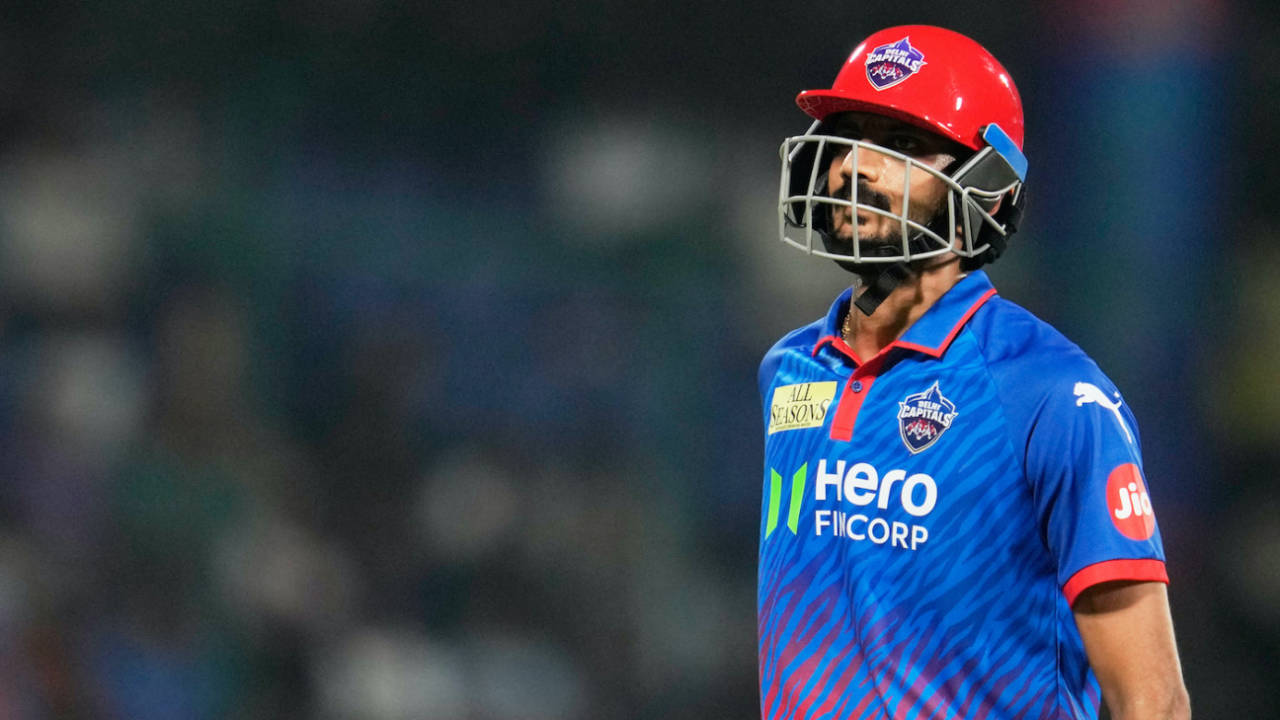
A Familiar Cycle of Disappointment for Delhi Capitals
For the fifth consecutive year, the Delhi Capitals (DC) have finished their Indian Premier League (IPL) campaign outside the playoff positions. It has become a recurring narrative for the franchise, regardless of the coaching staff or the personnel on the field. The latest chapter, the IPL 2026 season, saw the partnership of Hemang Badani and skipper Axar Patel struggle to secure a top-four finish, leaving fans to wonder what might have been had a few key moments swung in their favor.
The Anatomy of Missed Opportunities
Reflecting on the season after a final victory against the Kolkata Knight Riders (KKR), Hemang Badani was candid about the team’s shortcomings. Despite an encouraging start with two wins, the team ultimately finished sixth. Badani identified specific instances where the team failed to capitalize on pivotal situations.
“There were many games where I genuinely felt that the game could go either way and we didn’t seize those moments,” Badani stated. He pointed to a crushing one-run defeat against the Gujarat Titans and the inability to defend a massive score of 264 against the Punjab Kings as defining low points. Furthermore, fielding lapses, particularly dropped catches in crucial stages of matches against Chennai Super Kings and Sunrisers Hyderabad, proved costly. In a tournament as competitive as the IPL, these margins determine the difference between qualifying for the playoffs and packing your bags early.
The Bowling Struggle and the Starc Factor
Beyond the individual game-swinging moments, a lack of consistent wicket-taking hindered Delhi throughout the tournament. Even with a strong performance against KKR to close out the season, DC managed only 64 wickets across 14 games—the joint-lowest total in the league.
The absence of Mitchell Starc for the first nine games of the season was a significant blow. Starc, who performed impressively when available, taking 11 wickets at an average of 20.36 in just six appearances, was the missing piece of the puzzle. Badani acknowledged the impact of Starc’s absence but maintained that the team should have been capable of better results regardless.
“Starc is obviously somebody who’s done exceedingly well in all formats and him not being available to us the first nine games does hamper our progress,” Badani added. “But I think, on the whole, even without him, we had our moments. Even without him, we had our chances to qualify.”
Axar Patel’s Leadership Philosophy
Captain Axar Patel echoed Badani’s assessment, noting the importance of resilience. While the team failed to qualify, Axar expressed pride in the squad’s ability to win their final three matches, proving they had not given up despite the mathematical impossibility of reaching the playoffs.
“We were not playing well, but we kept fighting,” Axar said. The captain also offered a glimpse into the mental challenges of leading a team during a high-pressure season. He admitted that maintaining personal composure was the biggest lesson he learned, as frustration can quickly lead to poor decision-making on the field. “I have learnt about myself that in a high-pressure tournament, you need to take care of everyone, but it’s most important to be in a good frame of mind yourself,” he explained.
Looking Ahead: A Soft Reset
As the curtains close on another season of “what ifs,” the Delhi Capitals franchise finds itself at a crossroads. The upcoming season promises a soft reset, with co-ownership control shifting back from GMR Sports to JSW Sports for the next two years. While the administrative landscape may be changing, the persistent questions surrounding the team’s consistency and tactical execution remain. For the Delhi Capitals, the challenge will be to transition from a team that almost makes it, to one that seizes the moments when they matter most.