Fatima Sana Prioritizes Entire T20 World Cup 2026 Over India-Pakistan Clash
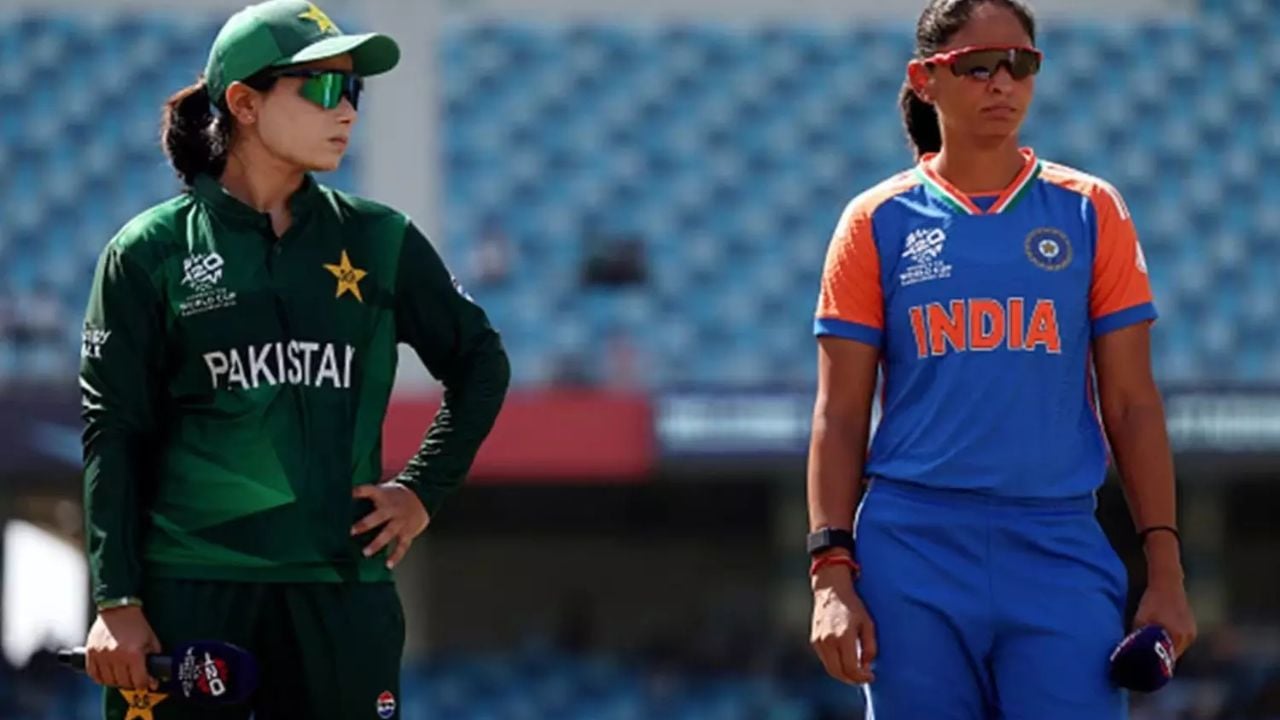
The anticipation for the upcoming ICC Women’s T20 World Cup 2026 is already building, with cricket enthusiasts worldwide eagerly awaiting the spectacle. Among the numerous thrilling encounters, the clash between arch-rivals India and Pakistan inevitably garners significant global attention and excitement. However, Pakistan’s astute captain, Fatima Sana, is strategically shifting her team’s focus away from this singular, high-profile fixture, advocating for a broader, more holistic approach to the tournament.
Prioritizing the Tournament Over a Single Rivalry
Set to unfold from June 12 in England, the ICC Women’s T20 World Cup 2026 will feature the much-anticipated India-Pakistan encounter on June 14 at the historic Edgbaston Cricket Ground. While this fixture is undeniably a marquee event, known for its intense pressure and heightened emotions, Fatima Sana firmly believes that every match in the upcoming global showpiece holds equal significance. Her stance is a clear attempt to downplay the pervasive hype surrounding the ‘big game’ and ensure her squad remains grounded and focused on consistent performance throughout the competition.
Speaking from the team’s training camp in Lahore, the Pakistan skipper underscored the inherently unpredictable nature of the T20 format. She articulated that concentrating solely on one particular match could prove detrimental to the team’s overall campaign. Sana’s vision is for her players to be thoroughly prepared for the entire tournament, rather than allowing the immense focus on the India game to become a distraction. This strategic directive aims to foster a mindset of adaptability and readiness for any opponent.
“Obviously, we are well-prepared, and the World Cup is such an event in which every match is important. Also, T20 cricket is such that anything can be changed rapidly. So, we are not looking forward to a specific match,” Fatima Sana stated during a media interaction in Lahore.
This statement encapsulates a pragmatic leadership approach, recognizing that success in a multi-team tournament like the World Cup demands sustained excellence across all fixtures, not just isolated peak performances against specific opponents. The T20 format, with its rapid shifts in momentum and reliance on individual brilliance often combined with collective strategy, truly demands this comprehensive preparedness.
Acknowledging the Rivalry’s Emotional Weight
Despite her strategic emphasis on broader tournament focus, Fatima Sana is also keenly aware of the profound emotional and cultural significance that India-Pakistan matches hold for fans across both nations. The rivalry invariably generates an immense buzz, with emotions running exceptionally high whenever these two cricketing powerhouses face off on the field. Sana acknowledged this deep-seated passion, adding, “As everybody knows, India and Pakistan have a good match, so God willing, we will try to play well.” This statement serves to reassure fans while still subtly reinforcing the professional commitment to perform well in all games.
A Look at the Head-to-Head Record
Historically, the numbers in women’s T20 international cricket clearly lean in India’s favor. Since 2009, India and Pakistan have clashed 16 times in the T20I format, with India emerging victorious in 13 of those encounters. This dominance extends to the Women’s T20 World Cups as well, where the Indian women’s national cricket team holds a commanding 6-2 advantage over their Pakistani counterparts. While these statistics provide a historical context, Sana’s strategy implies a forward-looking perspective, aiming to break historical patterns through focused preparation rather than being intimidated by past results.
Crucial Preparations and Group Stage Challenges
Before heading into the ICC Women’s T20 World Cup 2026, Pakistan is slated to participate in a vital tri-series in Dublin. This preparatory tournament will see them compete against the Ireland women’s national cricket team and the West Indies women’s national cricket team, offering invaluable match practice and an opportunity to fine-tune their strategies and combinations ahead of the main event. Such preparatory series are crucial for building team cohesion and confidence, allowing players to adapt to match conditions and pressure scenarios.
Pakistan finds itself in a particularly challenging Group A for the World Cup. Alongside their perennial rivals India, they are grouped with formidable teams including the South Africa women’s national cricket team, the reigning champions Australia women’s national cricket team, the Bangladesh women’s national cricket team, and the Netherlands women’s national cricket team. This tough draw further underscores the wisdom of Sana’s approach; every single match in this group stage will be a significant test, demanding peak performance and unwavering concentration from the Pakistani side.
Pakistan Squad for ICC Women’s T20 World Cup 2026:
- Fatima Sana (c)
- Gull Feroza
- Ayesha Zafar
- Iram Javed
- Eyman Fatima
- Aliya Riaz
- Natalia Parvaiz
- Saira Jabeen
- Muneeba Ali
- Tuba Hassan
- Rameen Shamim
- Sadia Iqbal
- Nashra Sandhu
- Diana Baig
- Tasmia Rubab
Pakistan’s Group Stage Fixtures:
- June 14: India vs Pakistan at Birmingham
- June 17: South Africa vs Pakistan at Birmingham
- June 20: Bangladesh vs Pakistan at Southampton
- June 23: Australia vs Pakistan at Leeds
- June 27: Netherlands vs Pakistan at Bristol
Fatima Sana’s leadership reflects a mature understanding of tournament cricket. By consciously guiding her team to view the ICC Women’s T20 World Cup 2026 as a series of equally important challenges rather than a singular focal point on the India clash, she aims to cultivate a resilient and adaptable squad. This strategy, prioritizing collective preparation and consistent execution across all matches, could well be the key for Pakistan to navigate a demanding group stage and make a significant impact on the global stage.