Why Mohammad Amir Won’t Play in the IPL Despite British Citizenship
The IPL Ambition: Fact vs. Fiction
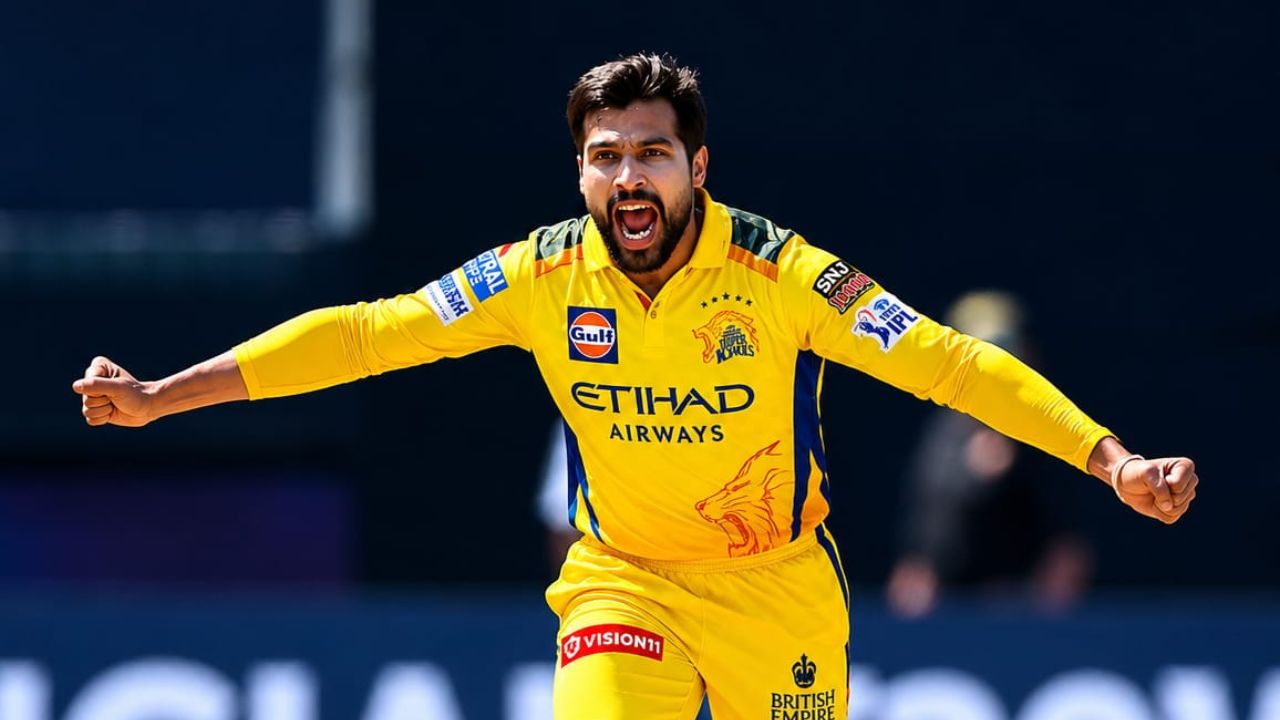
The recent news that veteran Pakistani pacer Mohammad Amir has acquired British citizenship sent ripples through the cricketing community. For many, this legal development signaled a potential loophole, effectively opening the door for him to participate in the Indian Premier League (IPL)—the most lucrative and competitive T20 tournament in the world. However, while the bureaucratic hurdle of nationality has been cleared, the reality of his participation is far more complex.
Despite the excitement, it remains highly improbable that fans will see Mohammad Amir donning an IPL jersey in the near future. The barriers to his entry extend far beyond mere passport status, rooted deep in diplomatic history, organizational policy, and the shifting dynamics of professional T20 cricket.
1. The BCCI Stance and Geopolitical Realities
The primary hurdle remains the Board of Control for Cricket in India (BCCI) and its long-standing policy regarding Pakistani cricketers. Since the 2008 Mumbai terror attacks, a de facto ban has been enforced on players from Pakistan participating in the IPL. While historical precedents like Azhar Mahmood—who played in the IPL as a British passport holder—exist, the landscape in 2026 is vastly different.
Mohammad Amir has remained an active figure in Pakistan’s cricket ecosystem, having represented the nation as recently as the 2024 T20 World Cup and competing in the 2026 Pakistan Super League. His deep-rooted association with Pakistan cricket makes him a symbol of the very entities the BCCI continues to distance itself from. In a climate of persistent geopolitical tension, the diplomatic sensitivity surrounding the inclusion of such a high-profile figure makes his participation a non-starter for the league’s administrators.
2. Navigating Reputational Risk
Beyond the official board policies, there is the volatile issue of public sentiment. IPL franchises are global brands, and the prospect of a backlash from fans and sponsors is a massive deterrent. Unlike Azhar Mahmood, who entered the league with a lower profile and without a history of significant controversies, Amir’s career has been marked by high-stakes public scandal.
Franchises operate with a cautious eye toward brand equity. Recent examples, such as the backlash faced by teams associated with signing Pakistani players in other global leagues, suggest that the cost of potential controversy outweighs the on-field benefits. For an IPL franchise, the risk of alienating their massive, passionate fanbase by signing a player with Amir’s history is a gamble most owners would be unwilling to take.
3. The Professional Decline: Age and Form
Setting aside the political and social barriers, there is a cold, clinical reality to address: professional performance. The IPL is the pinnacle of T20 cricket, demanding elite athleticism and consistent performance at the highest level. By the time the next season commences, Amir will be 35 years old—an age where pace bowlers face significant physical scrutiny.
His performances in various T20 leagues, including the PSL and his stints in the Caribbean Premier League, have been inconsistent at best. While he remains a recognizable name, his output no longer matches the high-intensity demands of the IPL. Modern scouting and recruitment in the IPL prioritize younger, high-velocity prospects or established performers currently dominating the international circuit. Amir’s lack of recent top-tier international exposure makes him a high-risk, low-reward investment for any franchise looking to build a title-contending squad.
The Verdict
While the acquisition of a British passport technically changes Mohammad Amir’s legal status, it does not erase the myriad of other challenges that define his situation. The intersection of strict BCCI policies, the potential for significant public and commercial backlash, and the natural decline in form that comes with his age all point to the same conclusion.
The IPL has evolved into a global powerhouse, and its recruitment strategies reflect a desire for stability, marketability, and elite performance. For Mohammad Amir, the dream of an IPL debut is likely to remain just that—a dream—unsupported by the intricate and often unforgiving reality of modern cricket governance.