Sri Lanka look to their bowlers against big-hitting West Indies in T20I
The Challenge Ahead: Sabina Park Awaits
The anticipation for this series has been dampened by weather, as Kingston rains frustrated efforts during the ODI portion of the tour. Now, as the focus shifts to the shortest format, the threat of thunderstorms still looms over the opening T20I at Sabina Park. Despite the unpredictability of the Caribbean weather, the cricketing disparity between the two sides is clear, setting the stage for a compelling battle of styles.
West Indies as the Heavy Favorites
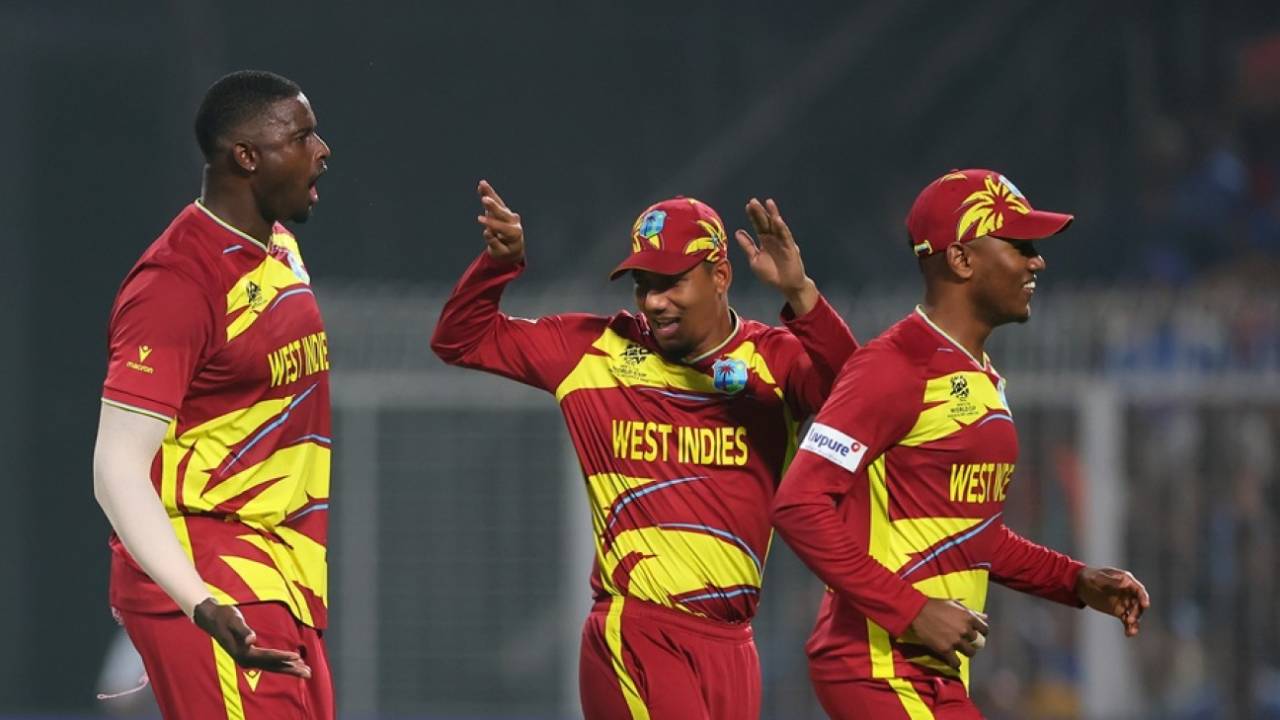
Entering this series, the West Indies are widely regarded as the runaway favorites. Their recent performances in the global T20 World Cup, where they nearly knocked out India on home soil, demonstrated the potency of their aggressive, boundary-hitting philosophy. Their domestic T20 infrastructure, led by the successful CPL, continues to produce high-impact players who thrive under pressure. In contrast, Sri Lanka’s recent international campaign was marked by a struggle to find their identity, making the gap in depth between these two squads quite apparent.
Tactical Approach: Relying on the Bowling Unit
Recognizing the sheer batting firepower of the West Indies—who boast power hitters like Shimron Hetmyer, Rovman Powell, and Jason Holder—Sri Lanka look to their bowlers against big-hitting West Indies to level the playing field. The visitors understand that they cannot out-hit the Caribbean side, so they must rely on their strike bowlers to restrict the scoring.
Wanindu Hasaranga, a proven match-winner, has historically wreaked havoc in the Caribbean and remains Sri Lanka’s most lethal white-ball asset. Similarly, Dushmantha Chameera has shown excellent rhythm during this tour. While the West Indies possess their own tactical weapons in spin duo Gudakesh Motie and Akeal Hosein, Sri Lanka’s hopes rest on their ability to execute a disciplined bowling plan that stifles the hosts’ explosive batting lineup.
Spotlight on Key Performers
Shimron Hetmyer enters this series looking to rediscover his rhythm. After a difficult IPL campaign, the West Indies coaching staff, led by Darren Sammy, will be keen to see the form that made him a standout during the T20 World Cup. His ability to clear the ropes is central to the West Indies’ strategy.
For Sri Lanka, Wanindu Hasaranga is under pressure to deliver. While he remains a world-class spinner, managing recurring injuries has been a challenge. His record in the West Indies is genuinely spectacular, and the team will need a vintage performance from him to challenge a formidable batting order. His economy rate of 4.18 over four bowling innings in the Caribbean is a testament to his class, and the tourists will need every bit of that efficiency in Jamaica.
Team Composition and Strategy
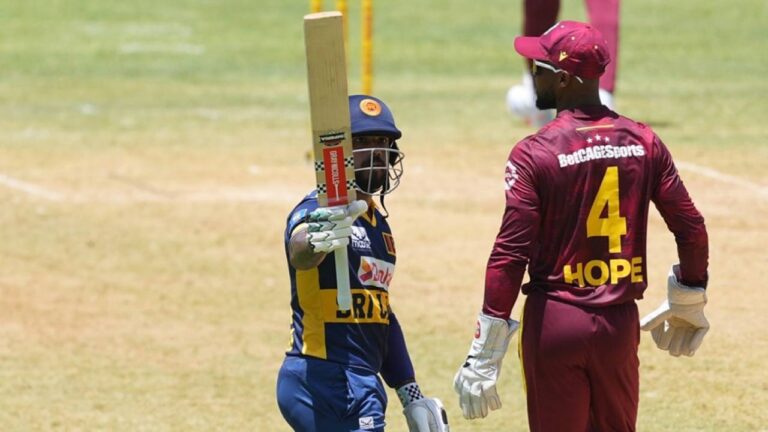
The West Indies are expected to lean on their established World Cup XI to ensure momentum. Their potential lineup features a balanced mix of power and control, with Shai Hope likely to captain the side.
Sri Lanka, meanwhile, are in a phase of experimentation. There is significant interest in seeing how Kamindu Mendis performs at the top of the order, while the return of Eshan Malinga following a successful IPL stint adds much-needed pace. The final composition of the XI will likely be dictated by the surface at Sabina Park; the team must decide between the spin-bowling versatility of Dunith Wellalage or the seam-bowling support of Milan Rathnayake.
Historical Context and Conditions
Interestingly, these two teams have never faced each other in a T20I at Sabina Park. While the historical T20I record between the nations is relatively even, the momentum in recent years has shifted. Since 2020, the West Indies hold a 5-4 lead in head-to-head encounters, though Sri Lanka has managed to win two of the last three. As the players take the field, the primary hope remains that the pitch conditions, despite being under covers due to rain, provide a fair contest between bat and ball.