Sri Lanka Cricket Board Resigns: Shammi Silva Steps Down Amid Government Pressure
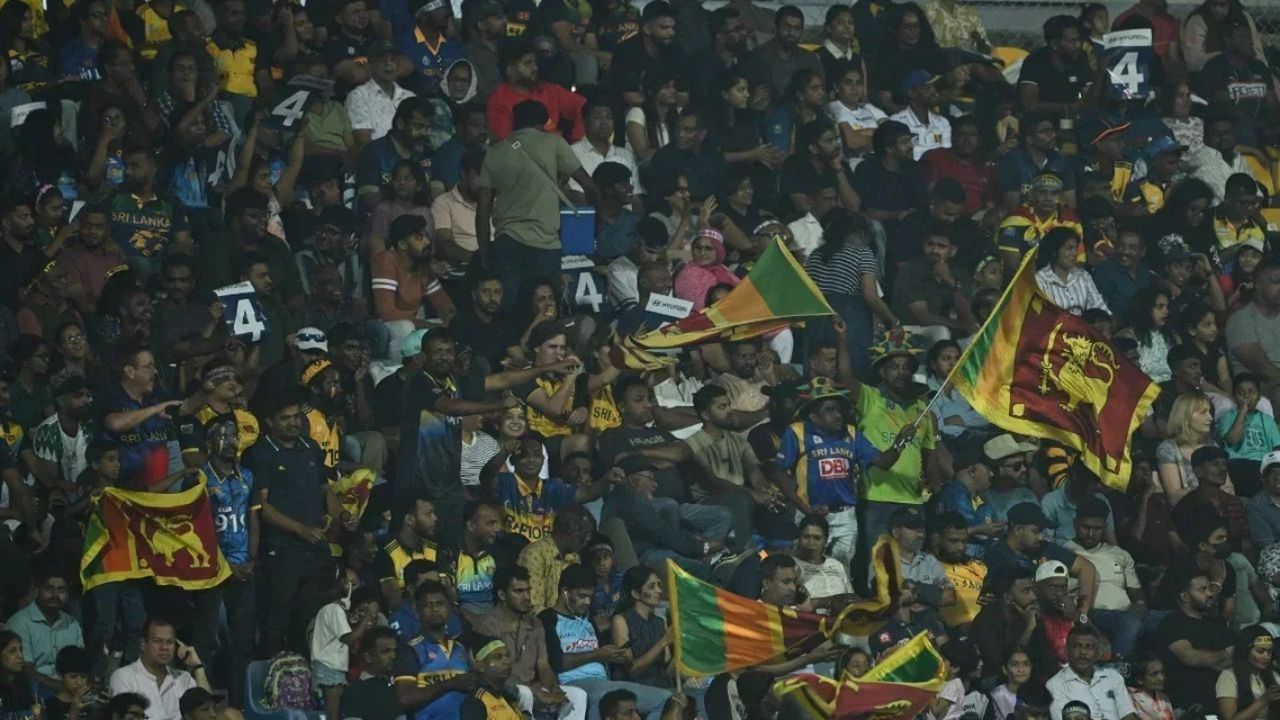
A Seismic Shift in Sri Lankan Cricket Governance
In a development that has sent shockwaves through the cricketing world, Sri Lanka Cricket (SLC) has entered a period of profound transition. On Tuesday, Shammi Silva officially stepped down from his position as the head of the board, marking the end of a turbulent chapter in the administration of the sport in Sri Lanka. This resignation is not an isolated event but the culmination of escalating pressure from the national government, signaling a comprehensive overhaul of the organization’s leadership.
The decision was finalized during a high-stakes special executive committee meeting that lasted nearly three hours. In a move that indicates a total collapse of the current leadership structure, other members of the committee also agreed to resign alongside Silva. This collective exit ensures a clean slate, though it leaves the board in a state of flux at a time when the national team requires steady guidance.
Government Intervention and the Call for Transparency
The catalyst for this sudden leadership vacuum was the direct intervention of the Sri Lankan government. President Anura Kumara Dissanayake had been vocal about the need for a “fresh start” in cricket administration, reflecting a broader sentiment within the country. For weeks, the public and various stakeholders had voiced concerns regarding alleged mismanagement, a lack of transparency, and poor governance within the SLC.
Shammi Silva had become the face of these criticisms, facing mounting scrutiny over how the board was being run. The government’s push for change became an ultimatum, making it clear that the current administration was no longer tenable. By stepping aside, Silva and his committee have paved the way for a new structure that the government hopes will be more accountable to the public and the sporting community.
A History of Instability and ICC Concerns
This is far from the first time that Sri Lanka Cricket has grappled with systemic governance issues. The organization has a checkered history of political interference, which has previously drawn the ire of the International Cricket Council (ICC). Most notably, in 2023, the ICC suspended the board due to government interference, a move that highlighted the fragile balance between national politics and international sporting regulations.
The current crisis mirrors those past struggles, underscoring a recurring pattern of instability that has hindered the long-term growth of the game in the region. The resignation of the board is seen as a desperate but necessary attempt to break this cycle and establish a professional administrative framework.
The Road to Recovery: Transition and Interim Leadership
With the leadership void now official, the focus shifts immediately to the transition process. The resignation letters are slated for submission on Wednesday to Sports Minister Sunil Kumara Gamage, who is expected to be the primary architect of the next phase of SLC’s administration.
Indications suggest that the government will likely appoint an interim committee or a specialized leadership group to manage the day-to-day operations of the board. The primary objective of this interim body will be to inject professionalism and stability into a system that has been characterized by uncertainty under Shammi Silva’s tenure.
Crucially, the Sri Lankan government is reportedly maintaining close communication with the Jay Shah-led ICC. This coordination is vital to ensure that the transition follows international guidelines. The government’s priority is to avoid another suspension by the ICC, seeking a legitimate handover of control to an interim committee that satisfies both domestic needs and international standards.
On-Field Failures and Internal Friction
The administrative collapse comes at a time when the Sri Lankan national team is struggling on the pitch. The pressure on the board was further intensified by poor performances in recent international tournaments, most notably the early elimination from the T20 World Cup 2026. Such results often reflect the instability of the board, as a lack of clear vision at the top typically trickles down to the players.
Beyond the match results, the board has been plagued by internal disputes. There have been reported disagreements between the players and the administration regarding:
- NOC (No Objection Certificate) Approvals: Friction over the process of allowing players to participate in franchise leagues.
- Fitness Protocols: Disputes regarding the standards and implementation of fitness regimes.
These internal conflicts created a divide between the athletes and the administrators, leading fans and cricket experts to question the competency of the leadership under Shammi Silva.
Looking Ahead: A Chance for a Reset
While the resignation of a board under pressure can be seen as a sign of weakness, it also presents a unique opportunity for a total reset. Sri Lanka Cricket now has the chance to rebuild trust with its players, the fans, and the international community. The focus moving forward must be on creating a transparent system, improving communication channels, and implementing a strict, professional framework for player management.
If the new administration can successfully decouple the sport from political volatility, Sri Lanka may finally find the stability it needs to return to its former glory on the world stage.