Shan Masood Reflects on Pakistan’s Historic Test Loss to Bangladesh
A Historic Collapse in Mirpur
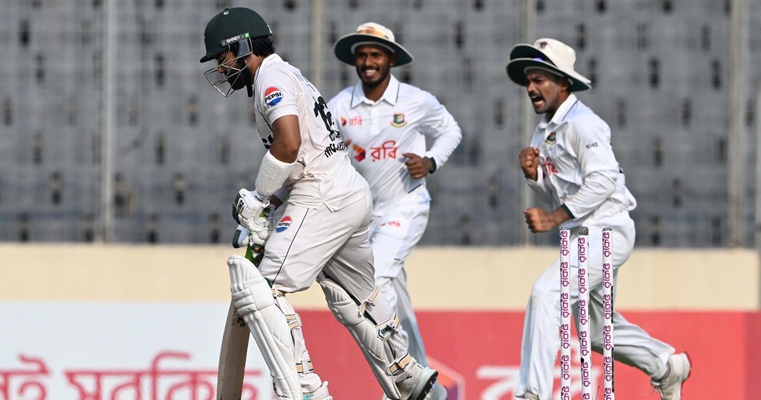
In a result that will be remembered for generations, Bangladesh secured a famous 104-run victory over Pakistan in the Mirpur Test. For the visitors, the day ended in disappointment, with captain Shan Masood conceding that his side simply lost their grip on the match during the pivotal post-tea session. This victory marks a significant milestone for Bangladesh, representing their first-ever Test win against Pakistan on home soil—a feat celebrated with immense passion by the Tigers.
The Strategy Behind the Defeat
The final day of the Test possessed all the hallmarks of a classic finish. With the threat of rain finally abating, the stage was set for a dramatic conclusion. Bangladesh emerged with clear, aggressive intent, making a bold declaration at 240 for 9 to set Pakistan a target of 268 runs. Such a fearless approach is rare in Test cricket, and it clearly caught the visitors off guard.
For the majority of the day, Pakistan seemed to be on course to secure a draw. At 116 for 3, the team appeared comfortable and well-positioned to manage the remainder of the overs. However, the momentum shifted dramatically. The batting lineup crumbled, losing their final seven wickets for a mere 44 runs. The final five wickets fell in a shocking collapse of just 11 runs, leaving the team unable to counter the relentless pressure applied by the Bangladesh bowling attack.
Masood’s Perspective on the Failure
Speaking in the aftermath of the defeat, Shan Masood provided an honest assessment of the team’s approach. He noted that the team had aimed for a steady, grounded performance to navigate the pitch conditions. “We had a clear plan. We wanted to bat normally because the wicket was still decent,” Masood explained. He emphasized that the directive to the batters was to spend time at the crease, familiarize themselves with the rough areas of the pitch, and manage the situation with patience.
The skipper acknowledged that until the tea break, Pakistan remained in a competitive position. The disintegration of the batting order immediately following the interval was the turning point that left the team with no path to recovery. “I think we were in a pretty good place till tea. But after the break, we lost a few wickets quickly. Maybe some of our batters lacked game awareness in those moments,” he admitted.
Avoiding Individual Blame
When questioned about whether the dismissal of Salman Ali Agha served as the primary catalyst for the loss, Masood was quick to deflect any individual blame. He maintained that Test cricket is a collective effort and that the result was the consequence of multiple factors throughout the five-day contest.
- Responsibility: Masood emphasized that the entire team shares the burden of the loss, refusing to single out any specific player for the collapse.
- Managing Expectations: He stressed that a five-day match cannot be defined by a single moment or a solitary wicket.
- The “What If” Factor: The captain noted that they had hoped the set batters could have held the line for another 30 minutes, potentially tiring the opposition or waiting for the light to fade, but conceded that cricket often defies such plans.
Looking Ahead
The contrast between the two teams was stark. Bangladesh played with an urgency that suggested a desperate desire for victory, while Pakistan appeared to favor a more cautious, survival-based approach. As the match drifted away from them, the reality of the situation became clear: in modern Test cricket, passivity can be just as dangerous as aggression.
For Pakistan, this loss serves as a sobering reminder of the need for adaptability. While Masood maintains that they were in control for long stretches, the inability to close out the game remains a significant hurdle. As the team looks to move forward, the lessons from the Mirpur collapse will undoubtedly be at the center of their preparations for future challenges on the international stage.