Shahid Afridi Dinner with Uzair Baloch: Old Photo Sparks Online Firestorm
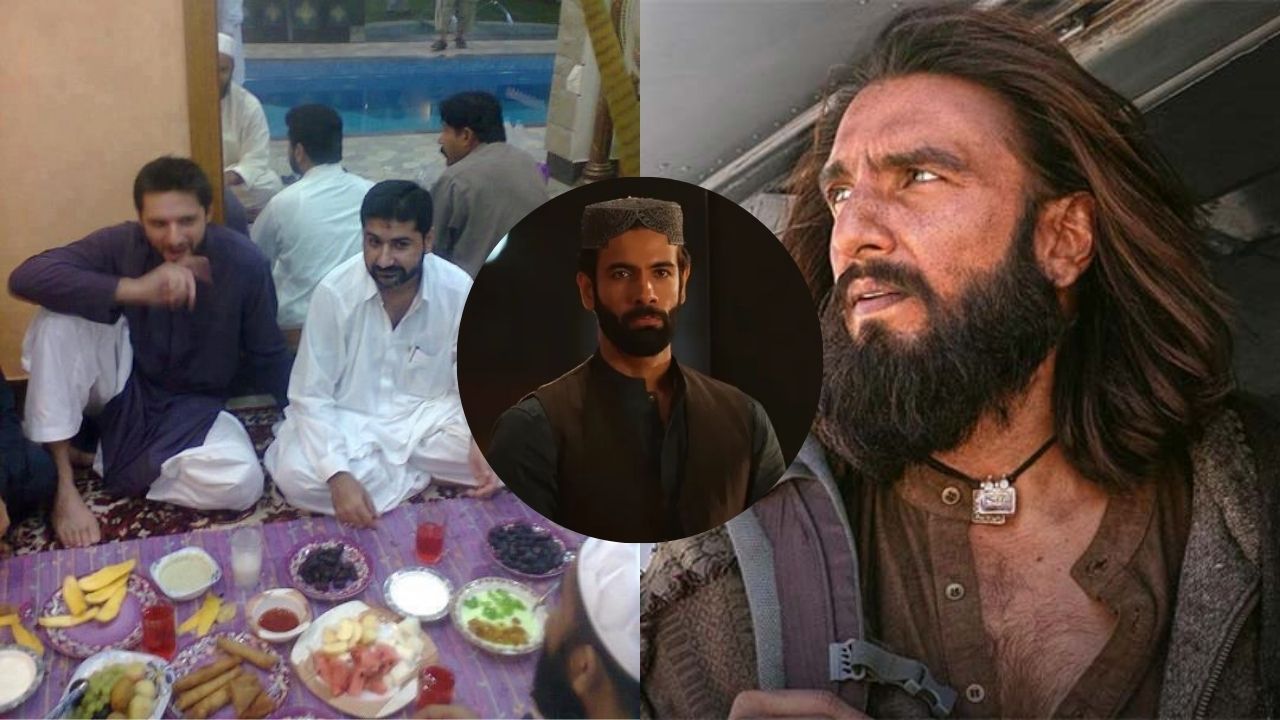
In a sudden resurgence of a past controversy, a 2013 photograph of former Pakistan cricket captain Shahid Afridi dining with Uzair Baloch, a notorious figure linked to organized crime and terrorism, has gone viral on social media. The image, which recently surfaced on X (formerly Twitter), has sparked intense public debate and drawn sharp criticism toward the cricket legend.
The Photo That Reignited the Storm
The now-viral image shows Shahid Afridi sitting alongside Uzair Baloch in what appears to be a private dinner setting. Baloch, once the alleged mastermind of the Lyari gang network in Karachi, has been accused of orchestrating target killings, extortion, drug trafficking, and espionage. He was arrested in 2016 and later became one of Pakistan’s most high-profile criminal detainees.
The controversy gained further traction as Baloch’s portrayal in the recent Bollywood film Dhurandhar, where Ranveer Singh plays a character inspired by real-life gangsters including Baloch, brought renewed attention to his name — and by extension, to Afridi’s past association with him.
A History of Controversial Statements
Beyond this photo, Shahid Afridi has long been a polarizing figure, particularly in India, due to his repeated anti-India remarks. In 2018, he took to Twitter to criticize India’s policies in Kashmir, describing the situation as “appalling” and questioning India’s actions toward self-determination in the region.
Over the years, Afridi has made several on-air and public comments criticizing Indian media and politics. During heightened India-Pakistan tensions in 2025, he publicly expressed support for the Pakistan Armed Forces and shared social media posts viewed as derogatory toward the Indian military — further cementing his controversial reputation across the border.
Polarizing Figure, National Hero
Despite the backlash in certain circles, Afridi remains a celebrated icon in Pakistan. On May 13, 2026, he was conferred the Hilal-e-Imtiaz, Pakistan’s second-highest civilian honor, by President Asif Ali Zardari at a ceremony held at Aiwan-e-Sadr.
This places Afridi among an elite group of Pakistani cricketers — alongside Imran Khan, Wasim Akram, and Waqar Younis — to receive the prestigious award. The recognition underscores his legacy as a game-changer in international cricket, particularly in limited-overs formats.
Afridi represented Pakistan in over 500 international matches. He is best remembered for his explosive batting, most notably his record-breaking 37-ball century against Sri Lanka in Nairobi in 1996 — then the fastest ODI hundred in history — which catapulted him into global stardom.
Public Reaction and Social Media Fallout
The resurfaced photo has divided opinions. While some fans defend the meeting as a private, possibly innocuous encounter, others question the judgment of a national figure associating with someone later tied to serious criminal and anti-state activities.
Critics argue that given Baloch’s alleged role in terrorism and organized violence — especially actions impacting national security — any public association raises ethical concerns. The controversy has also reignited debates about the responsibilities of sports icons as role models.
Meanwhile, supporters point to Afridi’s philanthropic work, including his foundation’s efforts in health and education, as evidence of his positive contributions beyond the cricket field.
Legacy Under Scrutiny
As the conversation continues to unfold, Shahid Afridi’s legacy stands at a complex crossroads — revered for his on-field heroics, yet scrutinized for off-field associations and statements. The incident serves as a reminder that in the age of digital memory, past moments can resurface with powerful consequences, challenging how we remember and assess public figures.
Whether this controversy will impact his standing in the long term remains to be seen. But one thing is certain: Shahid Afridi continues to command attention — both admiration and criticism — wherever he goes.