Ryan ten Doeschate impressed with India’s pool of allrounders for 2027
Building a Versatile Future
As the Indian cricket team sets its sights on the 2027 ODI World Cup, the focus has shifted toward building a robust and flexible squad capable of adapting to various conditions. Ryan ten Doeschate impressed with India’s pool of allrounders, highlighting the strategic depth currently being cultivated within the national setup. The team management is placing a heavy emphasis on identifying players who can contribute with both bat and ball, ensuring the squad remains balanced as they look ahead to the next 15 months of cricket.
The Quest for the Next Hardik Pandya
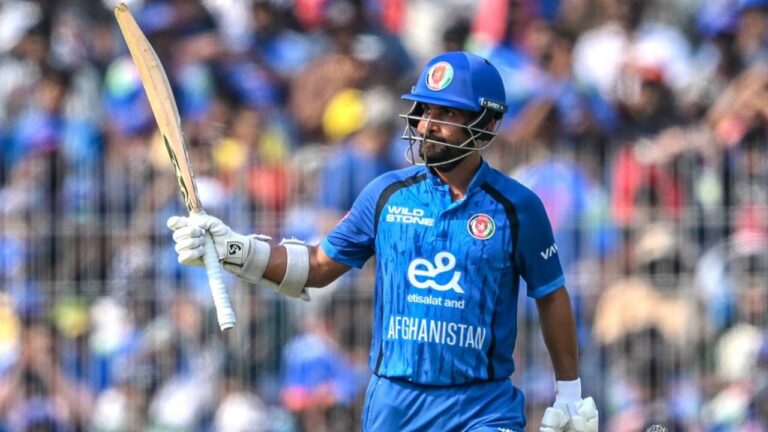
The absence of Hardik Pandya in the ongoing ODI series against Afghanistan has provided a unique opportunity for the coaching staff to blood new talent. During this series, India introduced left-arm spin-bowling allrounder Harsh Dubey to the ODI fold, while also welcoming back the seam-bowling talent of Harshit Rana, who recently returned from knee surgery. These inclusions are part of a broader plan to ensure that the team is not overly reliant on a single individual.
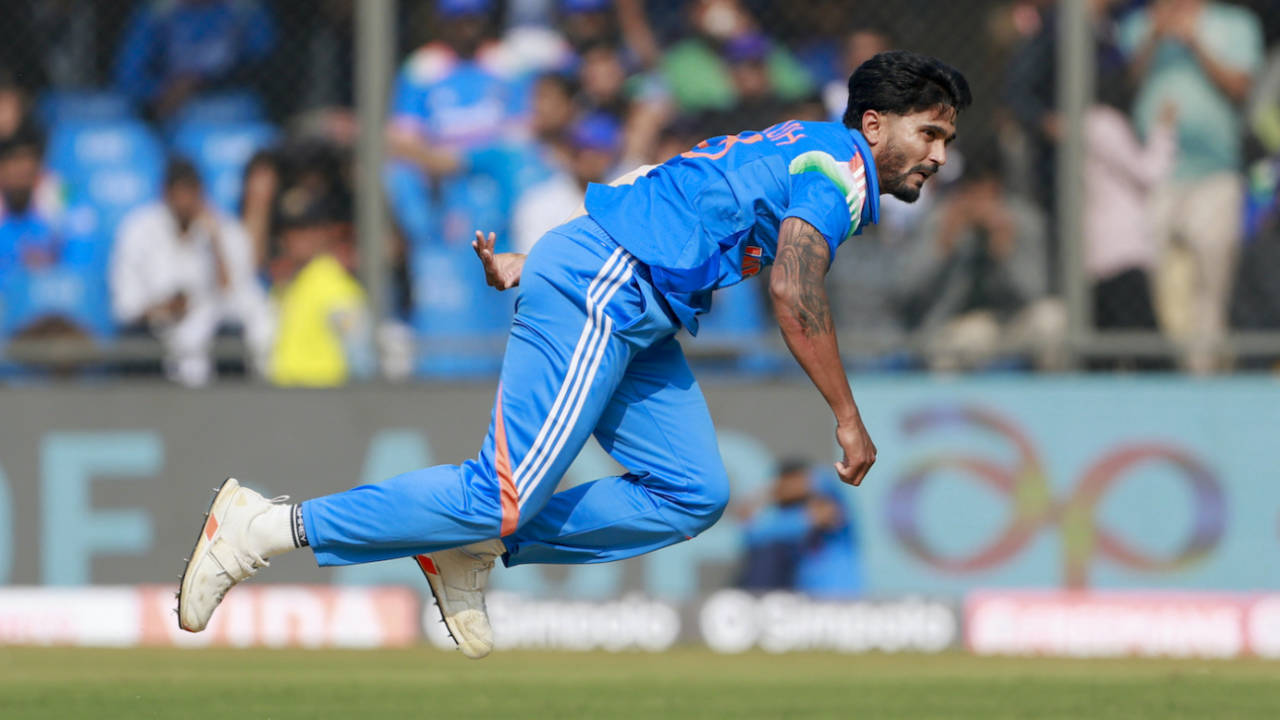
Ten Doeschate specifically highlighted the development of Nitish Kumar Reddy, who has been identified as a key asset. Although Reddy sat out the second ODI in Lucknow due to a minor thigh concern, his trajectory over the last 18 months has been promising. The coaching staff views him as a natural successor or backup to Hardik Pandya, noting that his physical conditioning is improving alongside his technical output in the middle order.
Strategic Depth for South African Conditions
Looking further ahead to the challenges in South Africa, ten Doeschate emphasized the necessity of having players who can bat lower down the order. The strategy is to move toward a setup where the team can field three specialist seamers without sacrificing batting strength. By nurturing players who can hold their own at No. 9, the team aims to provide the captain with greater tactical flexibility.
The coaching staff has been encouraged by the performances and commitment shown by emerging talents like Prince Yadav, Gurnoor Brar, and Auqib Nabi. Their ability to contribute across disciplines is seen as a refreshing sign for the future of Indian cricket, particularly as the management works to ensure the squad is well-equipped for the demands of ODI cricket.
Addressing the Spin Situation
While the focus is on allrounders, the role of specialist spinners remains a point of discussion. Kuldeep Yadav, the team’s premier left-arm wristspinner, has faced challenges recently, coming off a difficult IPL season where he struggled with both his average and economy rate. Despite this, ten Doeschate remains confident in Kuldeep’s abilities and dismisses concerns regarding his form.
“Kuldeep is travelling nicely,” ten Doeschate explained. He noted that the team is working closely with the new spin-bowling coach, Sairaj Bahutule, to refine tactical approaches and game planning. The modern game, characterized by aggressive batting against spin, requires bowlers to reinvent themselves, and the management is committed to helping Kuldeep stay ahead of the curve.
Competition as a Driver for Excellence
The coaching staff is clear that no spot in the team is guaranteed. The emergence of new spin talent means that established players like Kuldeep must continue to evolve to maintain their positions. Ten Doeschate stressed that the team will always be selected based on balance and role specificity. He acknowledged that while there are several young players knocking on the door, it is the responsibility of the coaching staff to extract the best out of their senior spinners by consistently pushing them to improve.
Ultimately, the current phase for the Indian cricket team is one of experimentation and growth. By integrating young allrounders and providing support to established stars like Kuldeep Yadav, the management is focused on creating a deep, versatile, and highly competitive squad. As the path to the 2027 ODI World Cup continues, the lessons learned in these bilateral series will serve as the foundation for the challenges that lie ahead.