Rohit Sharma’s 2027 World Cup Future: Uncertain Times Ahead
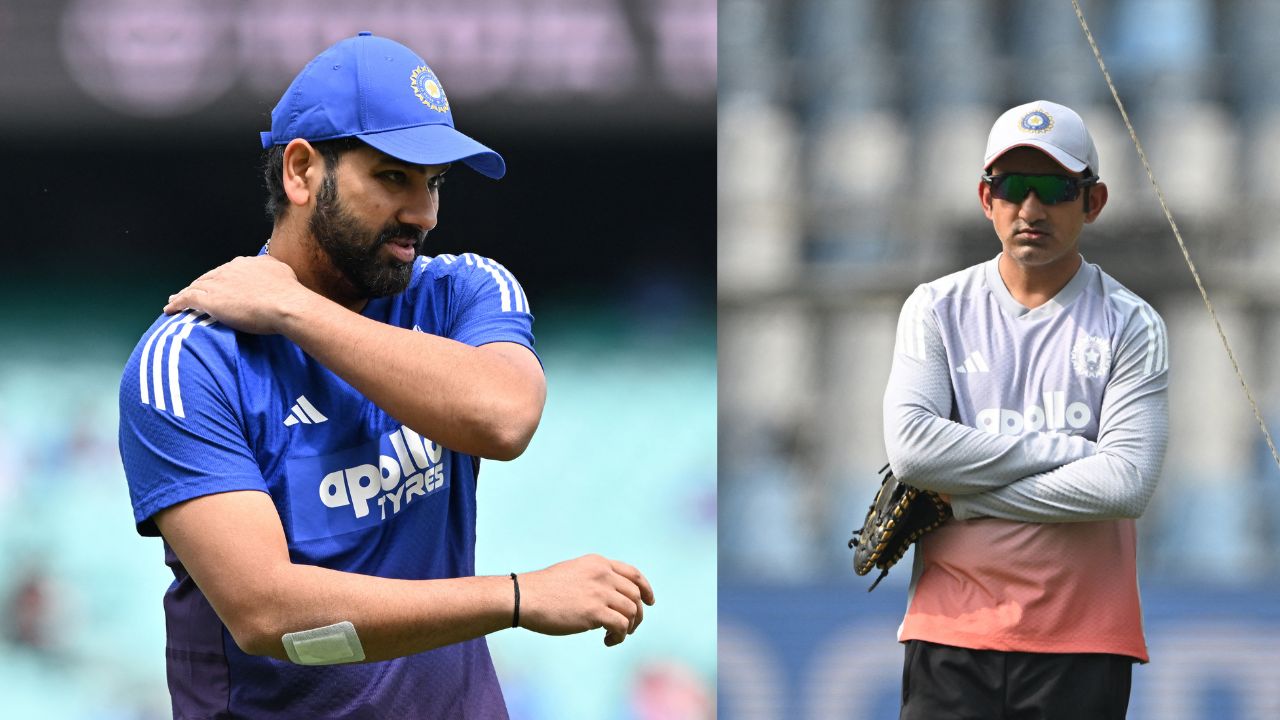
A Changing of the Guard in Indian Cricket
The landscape of Indian cricket is undergoing a subtle yet profound transformation. With the announcement of the squad for the upcoming bilateral series against Afghanistan—comprising a one-off Test and three ODIs—the BCCI has signaled that the grooming process for the 2027 World Cup has officially commenced. While the presence of stalwarts like Rohit Sharma in the squad initially caught the eye, the conversation has quickly shifted toward the future of the veteran opener.
The Road to 2027: Grooming New Talent
The selectors have taken a calculated risk by injecting fresh blood into the bowling department. The inclusion of uncapped talents such as Prince Yadav, Harsh Dubey, and Gurnoor Brar reflects an intent to build a robust and adroit bowling unit capable of performing on the global stage by 2027. These selections follow a rigorous vetting process based on domestic performances and IPL form, proving that the board is looking beyond the established names to create a deeper talent pool.
In the batting order, the structural changes remain minimal, though the inclusion of Ishan Kishan as a versatile back-up keeper and opening option provides the team with tactical flexibility. Despite this, the focus remains firmly on the leadership and the longevity of current senior players.
Is the World Cup Dream Fading for Rohit Sharma?
Perhaps the most significant development following the squad reveal is the speculation surrounding Rohit Sharma’s participation in the 2027 World Cup. Reports from seasoned cricket journalists suggest that the BCCI may be preparing for life after the veteran captain. The upcoming ODI series against England is being viewed as a critical barometer for his future in the format.
While Rohit remains a formidable force, his fitness has become a central talking point. Dealing with persistent hamstring issues—most notably during the 2026 IPL season—has invited scrutiny. Despite these physical challenges, his performance metrics remain impressive. In the 2026 IPL, he showcased his enduring class by scoring 283 runs in just 8 innings, maintaining an average of 35.38 and a blistering strike rate of 160.80. His consistency in the Vijay Hazare Trophy further highlights that he is far from a spent force.
The Next Generation Waiting in the Wings
The selection committee is clearly evaluating the bench strength for the opening slot. With names like Yashasvi Jaiswal and Ruturaj Gaikwad waiting in the wings, the transition plan is becoming increasingly evident. Even if Rohit Sharma is named in current squads, the “subject to fitness” tag indicates that the management is maintaining a cautious approach, balancing respect for his legacy with the necessity of future-proofing the squad.
Understanding the Current Squad Dynamics
The squad named for the Afghanistan series represents a blend of experience and potential:
- Captaincy: Shubman Gill takes the helm, with Shreyas Iyer serving as vice-captain, signaling the board’s confidence in the younger leadership core.
- Fitness Concerns: Rohit Sharma and Hardik Pandya remain key components but are under close observation due to recent injury setbacks.
- New Faces: The inclusion of Prince Yadav, Gurnoor Brar, and Harsh Dubey demonstrates a clear intent to test new, high-potential domestic performers against international opposition.
As India prepares for the Afghanistan series, the eyes of the cricketing world will be fixed on more than just the scoreboard. Every innings played by the veterans will be analyzed under the lens of the 2027 roadmap. Whether Rohit Sharma chooses to or is asked to step aside, the transition toward a younger, more dynamic Indian side is now firmly underway. For fans, it is a period of mixed emotions—witnessing the potential sunset of a brilliant era while simultaneously anticipating the rise of the next generation of Indian cricketing stars.