RCB’s Powerplay Wickets Extend Rare Shubman Gill–Sai Sudharsan IPL Record In Final

The Strategic Mastery of the RCB Powerplay
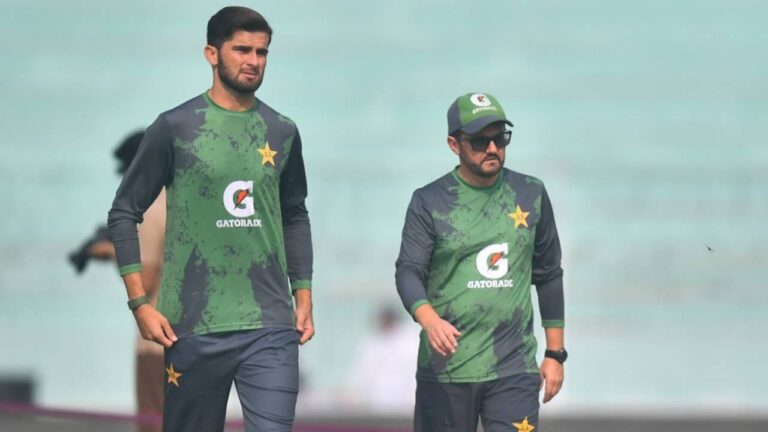
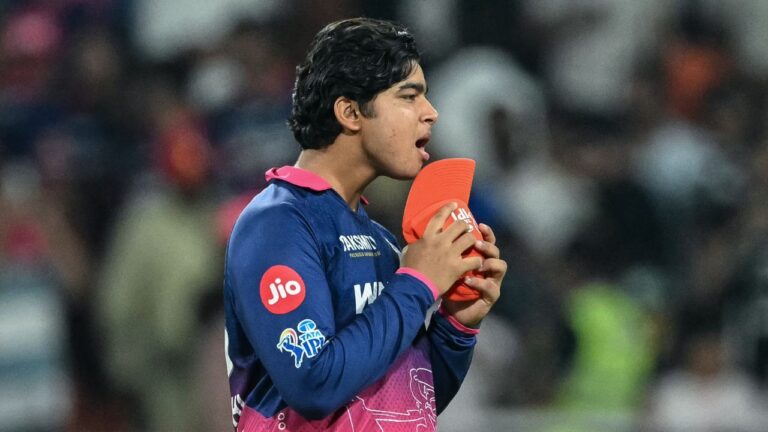
The IPL 2026 final will be remembered for its tactical intrigue and the surgical precision with which the Royal Challengers Bengaluru (RCB) dismantled their opponents. At the heart of the narrative was the clash between the explosive Gujarat Titans opening pair, Shubman Gill and Sai Sudharsan, and the disciplined RCB bowling attack. The fact that RCB’s Powerplay Wickets Extend Rare Shubman Gill–Sai Sudharsan IPL Record In Final serves as a testament to the specific planning that went into neutralizing the most consistent opening partnership of the season.
Coming into the summit clash, both Gill and Sudharsan had been the pillars of the Titans’ lineup, consistently crossing the 700-run threshold and providing the impetus that guided their team to the final. However, the pressure of the big stage, coupled with RCB’s aggressive strategy, created a volatile atmosphere that favored the bowlers.
The Early Breakthroughs that Defined the Match
Winning the toss and electing to bowl first proved to be a masterstroke for RCB. The decision was immediately vindicated when their bowling unit dismantled the Titans’ top order within the first six overs. The first blow came in the third over when Shubman Gill, attempting to accelerate early, skied a delivery that was expertly held by Rajat Patidar. It was a high-pressure dismissal that silenced the crowd and put the Titans on the back foot.
The momentum did not shift back to the batting side. Sai Sudharsan, looking to stabilize the innings, faced a testing bouncer from the veteran Bhuvneshwar Kumar. A mistimed pull shot led to a well-judged catch by Jitesh Sharma, reducing the Titans to a precarious 45/2 by the end of the Powerplay. This sequence of events was not just a one-off error by the batters but a culmination of a season-long trend where RCB specifically targeted the weakness of the Titans’ anchors.
Analyzing the Rare Statistical Pattern
Statistically, the loss of both openers within the first six overs is a rare occurrence for Gujarat. Throughout the 2026 season, this had happened on only four occasions. Interestingly, three of these instances came at the hands of the same opponent: the Royal Challengers Bengaluru. This level of recurrence highlights a deep-seated tactical vulnerability that RCB successfully exploited during both the league stage, Qualifier 1, and ultimately, the final.
While Mumbai Indians were the first team to achieve this feat earlier in the season, the frequency with which RCB repeated the pattern suggests they had found a repeatable formula. By keeping their lines tight and utilizing the swing and movement available in the Powerplay, they effectively stifled the free-scoring nature of the Titans’ duo.
The Foundation of a Championship Campaign
The success of RCB in the 2026 season was largely predicated on their new-ball dominance. With Bhuvneshwar Kumar leading the charge with an impressive tally of 17 Powerplay wickets, the team reached a cumulative total of 35 wickets in the first six overs throughout the campaign. This aggressive defensive approach allowed them to dictate terms to almost every opposition.
The IPL 2026 final provided the ultimate stage to test this formula against the best batting lineup in the league. By removing the two most significant hurdles early, RCB ensured that they remained in control of the contest. The ability to break the partnership of Gill and Sudharsan—who have otherwise been the most reliable batters in the tournament—was the defining factor in the final outcome of the game.
As the curtains fall on another thrilling season of the IPL, the tactical battle between the Titans’ openers and the RCB bowling attack will remain a highlight for cricket enthusiasts. It was a game of margins, where one side’s preparation and execution far outweighed the other’s intent to score, proving once again that in cricket, the first six overs are often where championships are truly decided.