Ravi Shastri Blames IPL and BCCI Schedule for Bowlers’ Mental Fatigue
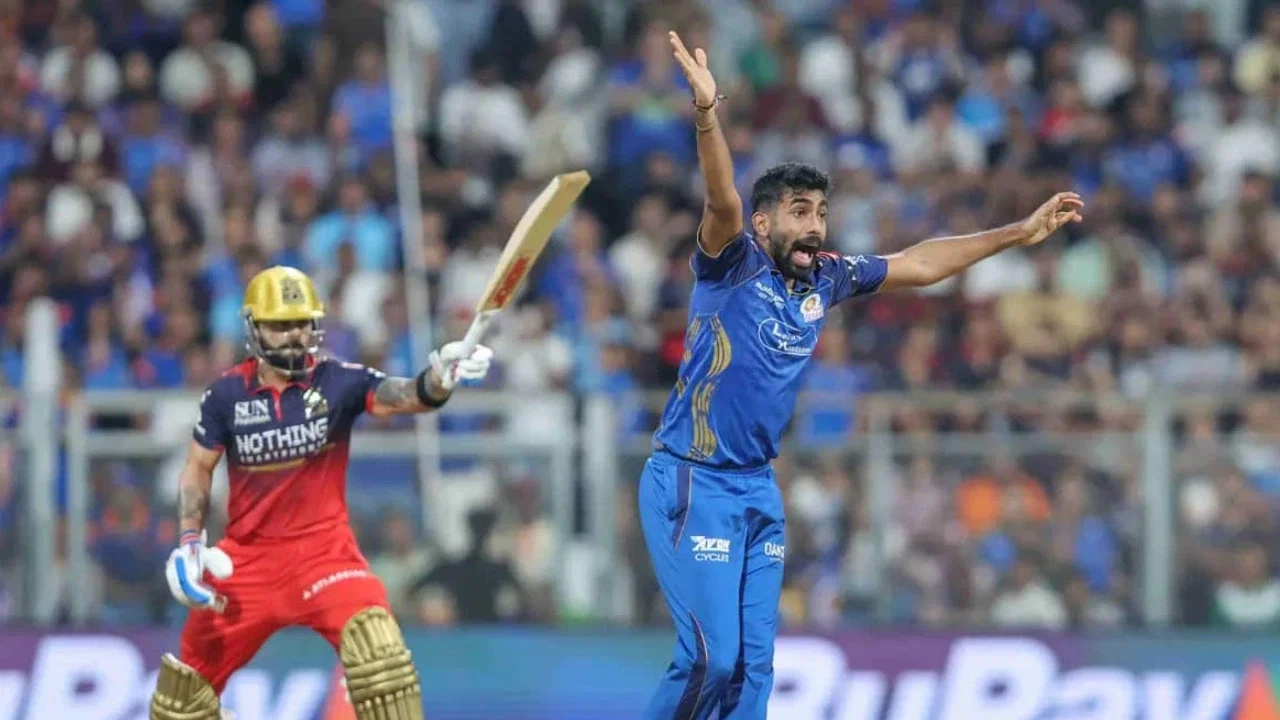
The Human Toll of Modern Cricket
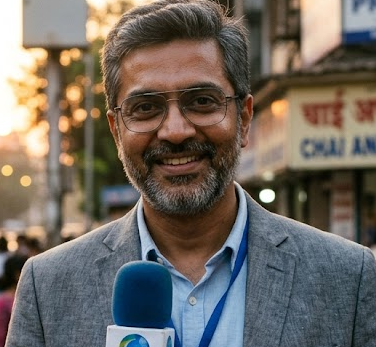
Former Team India head coach and legendary commentator Ravi Shastri has ignited a crucial conversation regarding the physical and mental well-being of India’s premier fast bowlers. During his commentary stint at the Sunrisers Hyderabad vs Punjab Kings match on May 6, Shastri highlighted the concerning dip in form experienced by stars like Jasprit Bumrah and Arshdeep Singh during the ongoing IPL 2026 season.
Signs of Burnout Among Elite Pacers
The IPL 2026 season has been uncharacteristically challenging for some of India’s most reliable match-winners. Jasprit Bumrah, globally recognized for his precision and discipline, has shown rare signs of rustiness. The most glaring example occurred during Mumbai Indians’ clash against Lucknow Super Giants, where Bumrah conceded a staggering eight no-balls—an uncharacteristic error for a bowler of his caliber. Similarly, Arshdeep Singh has struggled to maintain his usual wicket-taking rhythm, leading to questions about the pressures weighing on these athletes.
Ravi Shastri, observing these performances, did not mince his words. He attributed these blunders not to a lack of skill, but to deep-seated mental fatigue caused by an relentless international and domestic calendar.
The “Human, Not Machine” Argument
Shastri’s primary argument is that modern cricketers are being treated like machines rather than human beings. “Just seeing the way the season has panned out, and seeing some of the established bowlers who’ve played a lot of cricket through the season, played for India, played World Cups, all this stuff… showing signs of mental fatigue,” Shastri noted during the broadcast.
He continued, emphasizing the impossibility of constant performance: “You must remember these guys are human. And it does take its toll. It’s not that they can, on a day off, go to a petrol station, fill some gas, and get into the groove again the next day. It doesn’t happen that way. Human beings need time to recover. But it’s a hard grind. Then again, it’s professional sport.”
BCCI Workload Management Under Scrutiny
The Board of Control for Cricket in India (BCCI) has long touted its workload management protocols, aiming to keep its prized assets fresh for major ICC tournaments. However, the current scenario suggests that the gap between international duties and the IPL remains a massive challenge. Following the conclusion of the 2026 T20 World Cup, top Indian players were immediately thrust into the intense environment of the IPL, leaving virtually no window for physical or mental rejuvenation.
The lack of a substantial break between high-stakes international tournaments and the domestic franchise league has created a cycle of continuous pressure. While the BCCI has made efforts to rotate players, the sheer volume of matches means that even the best in the world can experience a dip in focus and intensity.
Why Mental Fatigue Matters
- Reduced Accuracy: Constant fatigue leads to a loss of concentration, which explains uncharacteristic errors like excessive no-balls.
- Slower Recovery: Physical strain from continuous bowling takes longer to dissipate when the body is mentally drained.
- Lack of Sharpness: The intuitive decision-making that defines elite bowlers often dulls when an athlete is mentally exhausted.
As the season progresses, the debate over scheduling will likely intensify. Shastri’s intervention serves as a timely reminder to cricket boards worldwide: even the most talented athletes have a threshold. Protecting the players from burnout is not just about injury prevention; it is about ensuring that the quality of the sport remains at the highest possible level. Whether the BCCI will adjust future calendars to provide more breathing room remains to be seen, but the message from the former coach is clear: players need time to breathe, recover, and reset.
For more insights and cricket updates, stay tuned to our coverage as the IPL 2026 season reaches its dramatic conclusion.