Nitish Rana Dismissal Controversy: Why the Dead Ball Rule Didn’t Apply
The Controversy That Stopped the Cricket World
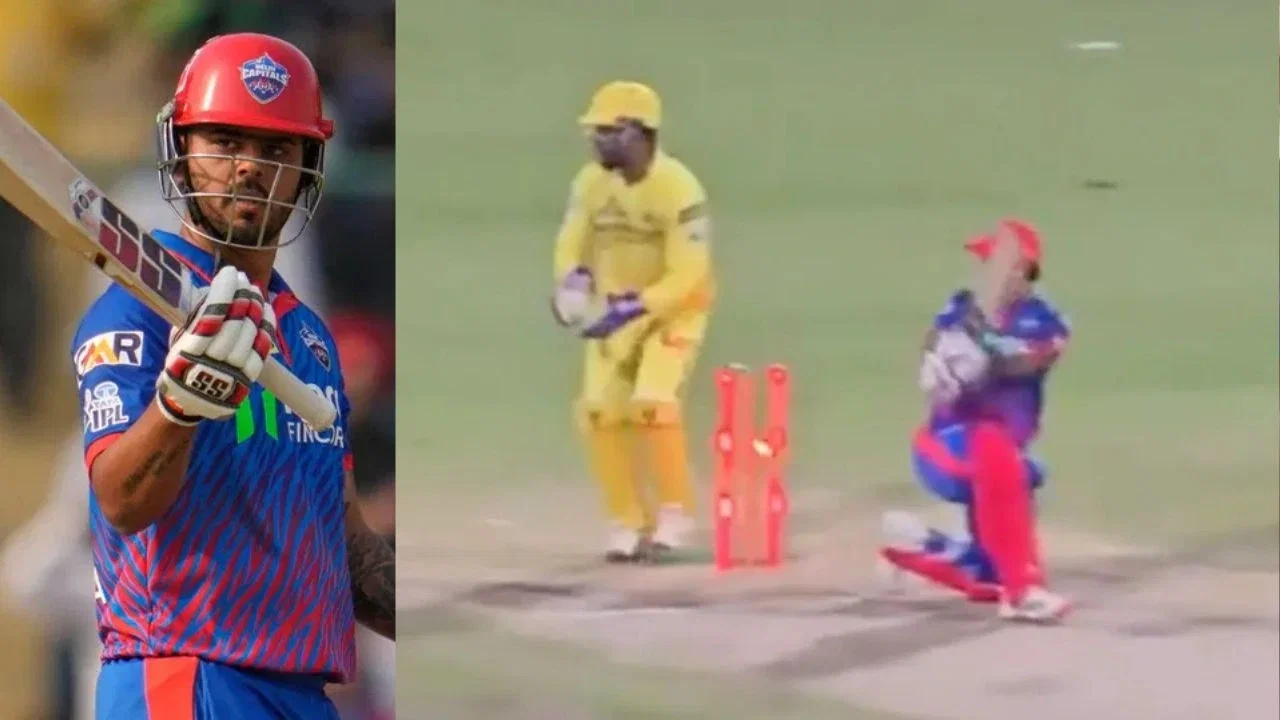
In the high-stakes environment of the Indian Premier League, every delivery and every decision carries immense weight. Recently, a significant controversy erupted during the match between Delhi Capitals and the Chennai Super Kings, centering on the dismissal of Delhi batter Nitish Rana. With the bails falling off the stumps before the shot was played, fans and pundits alike immediately questioned why the umpires did not signal a ‘dead ball.’
As the Delhi Capitals face a mathematically uphill battle to reach the playoffs, this moment became a focal point of frustration for supporters. However, to understand the decision, one must look past the initial optics and dive into the specific laws governing the sport.
What Actually Happened at the Arun Jaitley Stadium?
The Arun Jaitley Stadium has proven to be a notoriously tricky surface this season. The Delhi Capitals have struggled significantly when batting first on their home track, and this match was no exception. During his innings, Nitish Rana, who has shown promising form throughout the tournament, was caught by CSK fielder Noor Ahmad. The controversy, however, was not the catch itself, but the state of the stumps.
Video footage circulating on social media showed the bails dislodged before Rana played his stroke. Initial speculation ran wild—was it the wicketkeeper, Sanju Samson? Was it the batter? As it turns out, the bails were dislodged by a strong gust of wind prevalent in Delhi that evening. This external factor set the stage for the ensuing confusion.
Decoding the Law: Why Not a Dead Ball?
Many fans argued that the game should have been halted the moment the bails fell. To address this, we must turn to the MCC Laws of Cricket, specifically Law 20. The fundamental question is whether the delivery was already in progress or if the batter was genuinely distracted.
Under Law 20.4.2.6, an umpire is mandated to signal a dead ball if the striker is distracted by noise, movement, or any other factor while preparing to receive the ball. However, in this instance, the bowler had already initiated their delivery stride and released the ball before the bails hit the ground due to the wind. Because the ball was already in flight, the distraction did not occur during the striker’s preparation, rendering the dead ball rule inapplicable.
Furthermore, ‘Hit Wicket’ rules could not be applied because the batter did not dislodge the bails themselves while playing a shot or starting a run. The umpire’s decision to play on was consistent with the interpretation that the state of the stumps did not unfairly disadvantage the batter at the point of release.
CSK’s Resurgence and the Playoff Race
While the controversy grabbed headlines, the match also highlighted the shifting dynamics of the IPL season. The Chennai Super Kings have demonstrated remarkable resilience. After a shaky start, they have turned their campaign around, winning five of their last eight matches.
Led by captain Ruturaj Gaikwad and fueled by the consistent form of Sanju Samson and emerging talent Kartik Sharma, CSK is firmly back in the hunt for the playoffs. With four matches remaining, their path to 18 points is clear, and their net run rate is trending in the right direction. For Delhi Capitals, the road is far more difficult, as even an all-win scenario may not be enough to secure a top-four finish given the competitive nature of the other teams this season.
Final Thoughts
Cricket is a game of fine margins and complex rules. While the sight of bails falling without a player touching them is unusual and visually jarring, the umpires followed the letter of the law. The delivery had already progressed to a point of no return before the wind intervened. As the tournament reaches its business end, these officiating calls will continue to be under the microscope, but for now, the record books reflect a legitimate dismissal for Nitish Rana.