Miraz explains why Bangladesh chose sporting pitches against Australia
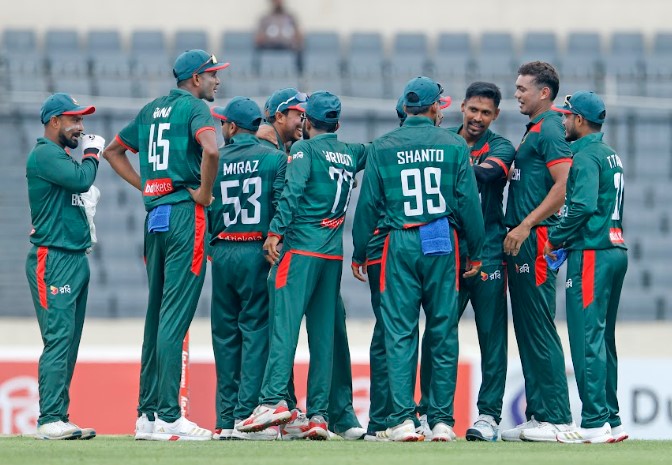
A Historic Milestone for Bangladesh Cricket
The cricketing landscape in Bangladesh has witnessed a landmark moment. While the Tigers fell just short of a clean sweep against Australia in the third ODI—suffering a dramatic one-wicket defeat in the final over—they still walked away with a resounding 2-1 series victory. This result marks the first-ever bilateral ODI series win for Bangladesh over Australia, a feat that has ignited celebration across the nation and garnered international respect.
While the final match result was a narrow loss, the broader narrative of the series was defined by a shift in strategy. For years, opponents have arrived in Bangladesh expecting rank-turners designed to stifle international teams. However, this series defied expectations, leading many to ask: Miraz explains why Bangladesh chose sporting pitches against Australia rather than the traditional spin-heavy tracks.
The Strategy Behind the Surface
Bangladesh ODI captain Mehidy Hasan Miraz has been instrumental in the team’s evolution. Speaking candidly after the series, Miraz revealed that the decision to prepare sporting wickets was a deliberate, long-term strategic choice aimed at elevating the team’s overall skill set.
“The three captains are always in discussion because we have different captains for all three formats,” Miraz noted. “We regularly talk about how we can improve Bangladesh cricket and what areas we need to focus on. Since all three of us play across formats, we share ideas and discuss where we can get better.”
This collective leadership approach led to a bold decision. The management moved away from the comfort zone of spin-friendly surfaces to challenge their own players on more balanced, true wickets. “The first thing we wanted was to play on good sporting wickets. Australia came here expecting spin-friendly conditions. In fact, most people thought that would be the case. But we played on true sporting wickets. We trusted our players and backed them to perform in those conditions,” the captain explained.
Growth Through Technical Challenges
By opting for pitches that offered assistance to both batters and bowlers, the team aimed to foster resilience and adaptability. Miraz emphasized that playing on such surfaces is vital for long-term development. “Our goal was to play on true sporting wickets against Australia. We have some big tournaments coming up, and if we can perform and win matches on good wickets, our confidence will be much higher. Every player in the team has gained confidence from this series. The batters scored runs, the bowlers took wickets. The more we play on these kinds of wickets, the more we will improve as a team.”
This philosophy suggests a new chapter for Bangladesh. Rather than relying on home-field advantage through surface manipulation, they are prioritizing technical proficiency. This approach is not just about winning the present series but about ensuring the team remains competitive in diverse conditions abroad.
A Moment of National Pride
Reflecting on the magnitude of the achievement, Miraz highlighted the emotional weight of the victory. “It’s obviously very special. We had never won a series against Australia before. The only ODI victory came back in 2005. I remember watching that game when I was very young,” he recalled.
The victory carries extra weight because of the recognition it received from the opposition. “Now we have beaten Australia in a series, which is a huge achievement for Bangladesh. What makes it even more special is hearing Australian players praise our cricketers, our cricket and the wickets. That is a big achievement for us.”
As Bangladesh continues its journey, the lessons learned from this series—and the confidence gained from proving themselves on sporting wickets—will likely serve as the bedrock for future international campaigns. The decision to step out of their comfort zone has not only yielded a historic trophy but has also signaled a more mature, professional, and ambitious path for the Tigers on the world stage.