Arun Dhumal reveals why IPL players were barred from posting reels and chasing s – IPL 2026: Dhumal Explains Ban on Player Social Media Reels & Content Creation
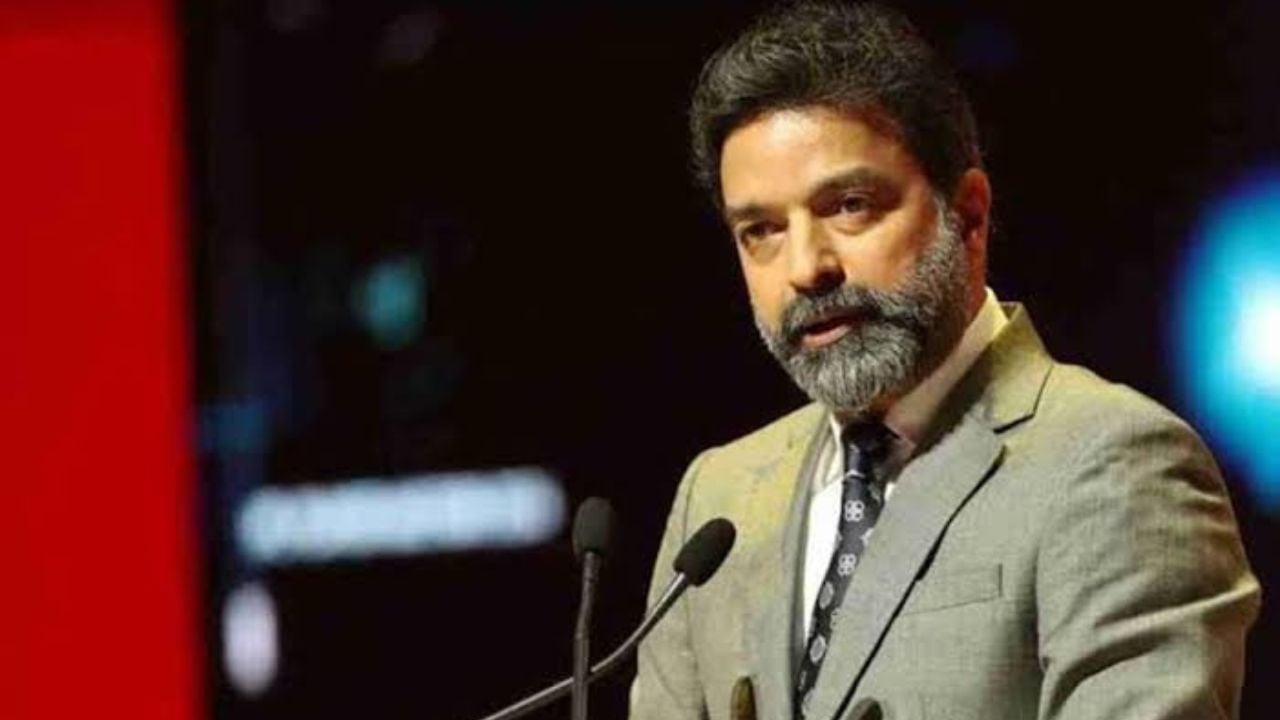
Upholding IPL‘s Dignity: Arun Dhumal on Player Social Media Regulations
The IPL 2026 season has captivated audiences with its thrilling on-field action, but alongside the excitement, discussions about maintaining the league’s dignity and professionalism have taken center stage among top officials of both the IPL and the BCCI. In an era where athletes often blur the lines between professional sport and personal branding through social media, the Indian Premier League authority has taken a decisive step, issuing a comprehensive 7-page advisory to all franchises.
This advisory addresses growing concerns regarding security and the overall reputation of the league. Arun Dhumal, the esteemed chairman of the IPL, recently provided crucial insights into why these stringent advisories were deemed necessary for players and franchises. His comments underscore a clear philosophy: a cricketer’s primary responsibility is to excel in the sport, not to venture into the realm of content creation.
Cricketers’ Role: On-Field Performance, Not Content Creation
Dhumal articulates this stance with unequivocal clarity, stating, “Cricketers do not need to be content creators. The cricketer’s job is to play good cricket. If they do so, there will be enough and more good content created about them. So they do not need to turn into content creators and start creating reels, shorts, or other posts. It is not needed, and a line had to be drawn.” This statement highlights the board’s conviction that the focus should remain squarely on athletic performance, believing that outstanding cricket naturally generates its own compelling narratives and media attention.
The chairman’s remarks suggest a concern that excessive involvement in social media content creation could potentially distract players from their core duties, dilute the professional image of the league, or even pose unforeseen risks. The advisory, therefore, serves as a mechanism to realign priorities and reinforce the professional ethos expected from all participants in the Indian Premier League.
The Arshdeep Singh Incident: A Catalyst for Reinforcement
During the mid-phase of the IPL 2026 campaign, an incident involving Punjab Kings (PBKS) star bowler Arshdeep Singh brought the issue into sharper focus. Arshdeep garnered significant attention, not primarily for his bowling prowess, but for his engaging Instagram videos and reels. The seamer was observed shooting videos with his teammates during the league, an activity that, while seemingly innocuous, may have prompted a re-evaluation of existing protocols and raised a “red flag” for the authorities.
Following the issuance of the BCCI regulations, a noticeable shift occurred. Players across the IPL, including Arshdeep Singh, who were previously active in sharing content on various social media platforms, have since curtailed or ceased such activities. This immediate compliance underscores the seriousness with which the advisory has been received and implemented by the franchises and players alike.
The Seven-Page Advisory: Reinforcing Fundamentals
Dhumal further clarified that the detailed seven-page advisory primarily reiterates fundamental guidelines that were, in essence, already in place. “Most of the things we have mentioned in the seven-page letter were already there,” he explained. “If you go and see, you will know there is nothing fundamentally new that we have asked for. Rather, seeing that things were not being followed, we needed to reinforce every point, and that’s what was at the root of the letter. Every franchise and every player has now been reminded what is expected of them, and that’s all there is to it.”
This clarification is crucial, as it positions the advisory not as an introduction of novel restrictions, but as a robust reinforcement of established expectations. The board’s objective is to ensure these guidelines are not merely acknowledged but are properly understood and executed by all stakeholders. The intent is to maintain a consistent standard of professionalism and decorum throughout the high-profile tournament.
Addressing Misconduct and Protocol Violations
The advisory specifically highlights that the BCCI identified several incidents during the IPL 2026 season that constituted “misconduct and protocol violations.” These incidents reportedly involved players, support staff, and team officials, prompting the board to act decisively. The underlying concern is the potential impact these violations could have on the league’s reputation and the professionalism associated with the BCCI itself.
A portion of the advisory, as shared by ESPN, succinctly outlines these serious implications:
- “It has come to the attention of the BCCI that certain incidents of misconduct and protocol violations have occurred involving players, support staff, and team officials during the course of the current IPL season.”
- “These incidents, if left unaddressed, carry the potential to cause significant reputational harm to the tournament, the franchise concerned, and the BCCI as the governing body. They may further expose individuals and franchises to legal liability and security risks of a serious nature.”
These strong words from the advisory underscore the gravity of the situation and the proactive measures the BCCI is taking to safeguard the integrity and future of the Indian Premier League. By drawing a clear line between playing professional cricket and engaging in social media content creation, the league aims to ensure that its players remain focused on their primary roles, thereby protecting the esteemed reputation of one of the world’s most prominent sporting events.
Conclusion: Prioritizing Professionalism and Security
The steps taken by the IPL leadership, spearheaded by Arun Dhumal, are a testament to their commitment to maintaining the highest standards of professionalism and security within the league. While social media offers avenues for player engagement, the BCCI’s directive ensures that these platforms do not overshadow the core objectives of the sport or compromise the integrity of the tournament. The reinforcement of these guidelines serves as a critical reminder to all involved that the dignity and professionalism of the IPL remain paramount.