ICC delegation visits Bangladesh to ‘review developments linked to the BCB’
An Overview of the Recent ICC Assessment in Dhaka
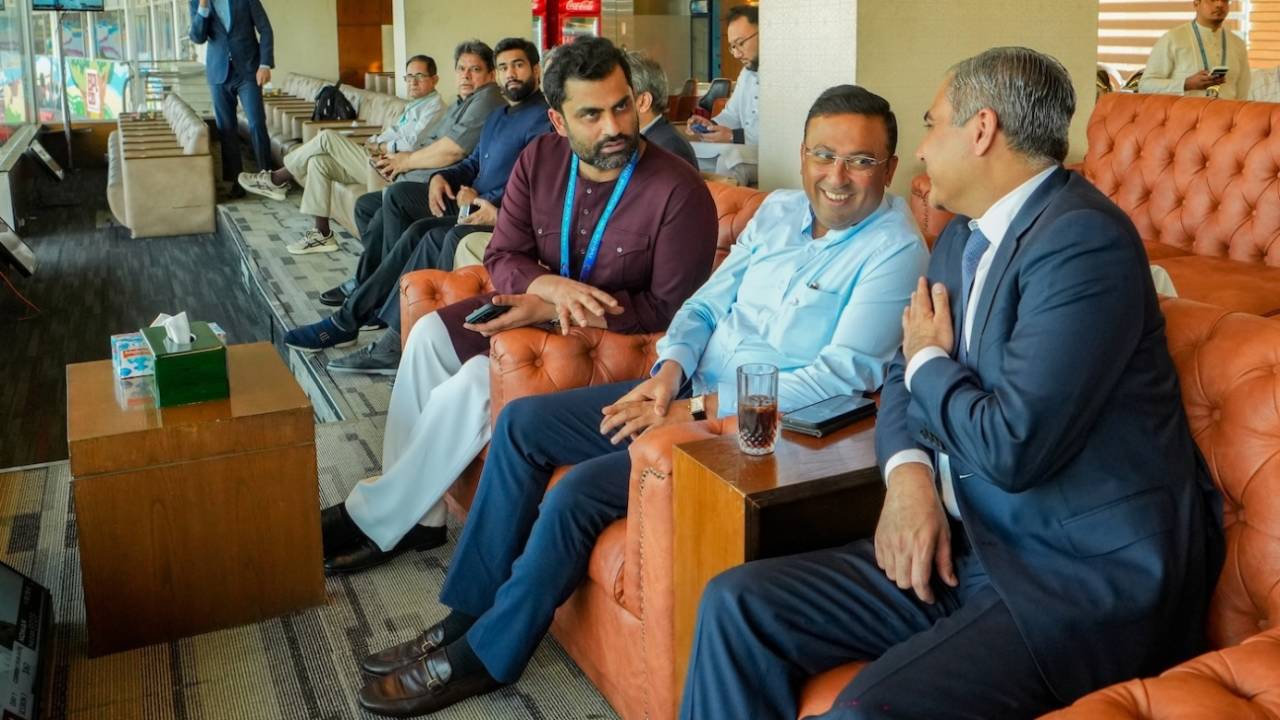
In a significant move for Bangladesh cricket, a two-member delegation from the International Cricket Council (ICC) recently concluded a visit to Dhaka to assess the current state of the Bangladesh Cricket Board (BCB). The ICC delegation visits Bangladesh to ‘review developments linked to the BCB’ following a period of intense administrative restructuring within the organization. The delegation, comprised of ICC directors Dr. Mohammed Moosajee and Tavengwa Mukuhlani, arrived on June 1 to conduct a series of high-level meetings with key stakeholders.
The Objectives of the ICC Visit
The primary mandate of the delegation was to gather firsthand information regarding the current governance of the BCB. Since the sports ministry dissolved the board of directors on April 7, the board has been functioning under an 11-member ad-hoc committee led by former Bangladesh captain Tamim Iqbal. The ICC representatives spent their time in Dhaka engaging with various factions, including members of the ad-hoc committee and the BCB election commission.
This visit comes at a critical juncture as the board prepares for upcoming elections, which were scheduled for June 7. The ICC’s interest in these proceedings underscores the global governing body’s commitment to ensuring that member boards adhere to standard practices, particularly during periods of political or administrative volatility.
Discussions and Tensions Within the Board
The visit was not without friction. Reports have surfaced that the delegation met with several directors who had resigned from the previous board, as well as those who remain in their positions, such as Asif Akbar and Ahsan Iqbal Chowdhury. These meetings provided a platform for conflicting perspectives on the current leadership status of the BCB.
Aminul Islam, the former Bangladesh captain who held the position of BCB president until April, has been vocal about his stance. Islam, who maintains that he is still the rightful president, publicly stated that he urged the ICC not to recognize any election conducted under the authority of the current ad-hoc committee. Furthermore, he raised concerns regarding the clarity of communications issued by the ad-hoc committee, particularly calling for corrections to a press release issued on May 31 regarding the ICC visit.
Legal Context of the BCB Elections
While the administrative side of the board faces scrutiny, the legal landscape surrounding the upcoming elections has also been a focal point. A writ petition was recently filed challenging the legality of the election schedule and the voter list. However, this challenge faced a significant setback when the High Court rejected the petition.
The bench of Justice Bhishmadev Chakrabortty and Justice Md Ashif Hasan dismissed the petition, noting that it was not presented properly before the court. This legal development provides a level of certainty for the administrative processes currently underway, even as internal disagreements persist among stakeholders. The initial petition, filed on May 18, had sought to halt the proceedings following the ministry’s decision to dissolve the former board structure.
Moving Forward: What Does This Mean for Bangladesh Cricket?
The findings of Dr. Moosajee and Mr. Mukuhlani are expected to be reported back to the ICC governing body. For the cricket fraternity in Bangladesh, the outcome of this assessment is crucial. The stability of the BCB is essential not only for the internal management of domestic leagues and player development but also for the country’s standing in international tournaments. As the board moves toward the June 7 elections, the international community, led by the ICC, remains vigilant, monitoring whether these transitions align with the constitutional requirements of the board and the broader principles of the ICC.
The focus remains on whether the current administrative path, established following the ministry’s intervention in April, will receive the endorsement of the ICC. As of now, stakeholders are awaiting further directives from the global governing body, while the internal struggle for legitimacy continues to unfold within the corridors of the BCB office.