Full History of Concussion Substitutes in IPL: Rules and Records
The Evolution of Player Safety in the IPL
The Indian Premier League (IPL) is renowned globally for its high-octane cricket, innovative strategic elements like the Impact Player rule, and thrilling finishes. However, beyond the entertainment value, the league has increasingly focused on player welfare. One of the most significant advancements in this area is the concussion substitute rule, a regulation designed to protect athletes who sustain head or neck injuries during the heat of competition.
As the game of cricket continues to evolve with higher intensity, the risk of injury naturally rises. The concussion substitute rule ensures that teams are not unfairly penalized when a player is forced to leave the field due to medical protocols, allowing for a like-for-like replacement to maintain the balance of the match.
Understanding the Concussion Substitute Rule
The concussion substitute rule is not merely an optional tactical change; it is a clinical necessity governed by strict protocols. According to IPL playing conditions, if a player suffers a confirmed or suspected concussion—often resulting from a blow to the head or a jarring collision—the team has the right to request a substitute. Once the team’s medical staff evaluates the player and the match referee grants approval, the injured athlete is replaced.
A critical component of this rule is the requirement for a ‘like-for-like’ replacement. This means the incoming player should ideally match the role and skill set of the player departing the field, ensuring that the team structure remains as close to the original selection as possible.
A History of Concussion Substitutions in IPL
Over the past few seasons, several high-profile incidents have necessitated the use of this rule. Here is a detailed timeline of concussion substitutes in the IPL.
1. Vishnu Vinod for Ishan Kishan (IPL 2023)
The inaugural instance of a concussion substitute occurred during Qualifier 2 of the 2023 season. Mumbai Indians’ wicketkeeper-batter Ishan Kishan suffered a concussion after an accidental collision with teammate Chris Jordan while fielding. The impact of Jordan’s elbow near Kishan’s eye forced him off the field. Vishnu Vinod was introduced, marking a significant milestone in IPL regulatory history.
2. Yudhvir Singh Charak for Mohsin Khan (IPL 2024)
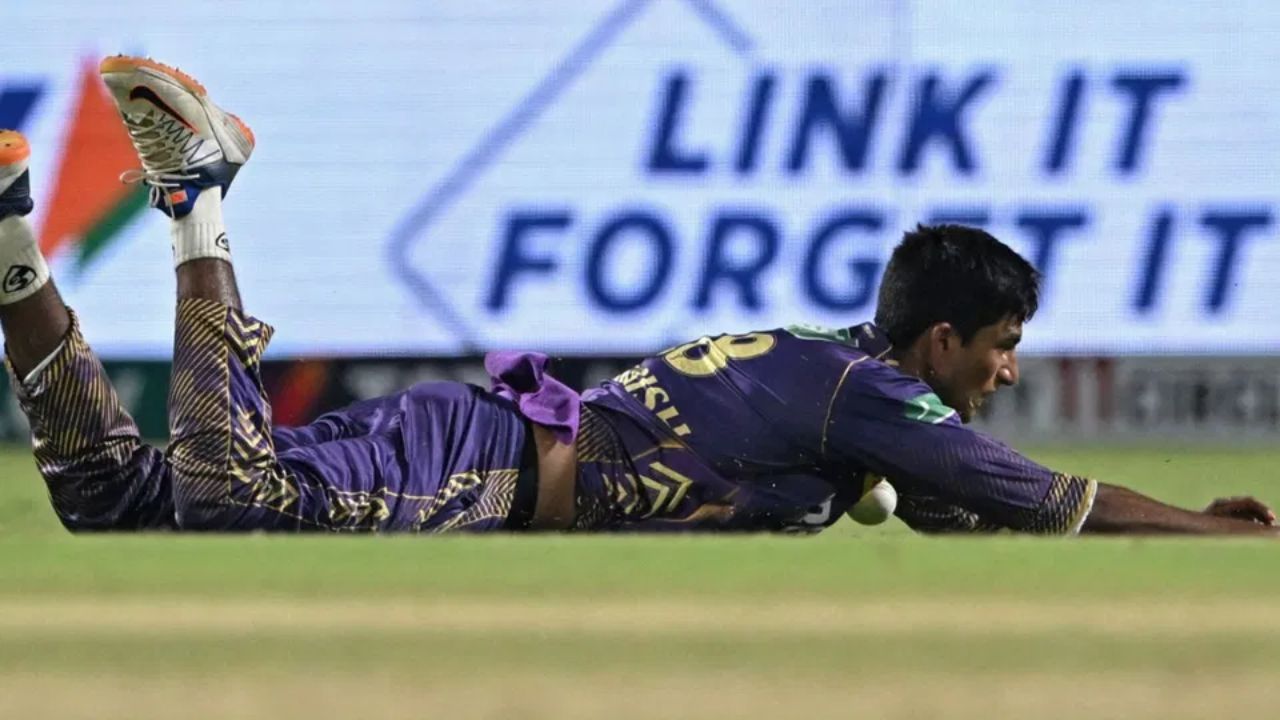
In a match between Lucknow Super Giants and Kolkata Knight Riders, Mohsin Khan sustained a frightening head injury while diving for a catch at the Ekana Stadium. Landing awkwardly, the pacer was ruled out following medical assessment, leading to the introduction of Yudhvir Singh Charak as his replacement.
3. Ashwani Kumar for Corbin Bosch (IPL 2025)
During the 2025 season, Mumbai Indians’ Corbin Bosch was struck on the helmet by a sharp bouncer from Prasidh Krishna. Despite attempting to soldier on, he displayed clear symptoms of a concussion shortly after. The team medical unit acted promptly, bringing in left-arm pacer Ashwani Kumar to finish the game.
4. Shardul Thakur for Mitchell Santner (IPL 2026)
The 2026 season saw the protocol utilized again during a high-stakes clash between MI and CSK. Mitchell Santner injured himself while taking a diving catch. While initial concerns focused on his shoulder, it was later confirmed that head and neck impact had occurred, necessitating the entry of Shardul Thakur as a substitute.
5. Tejasvi Dahiya for Angkrish Raghuvanshi (IPL 2026)
Most recently, in Match 65, Kolkata Knight Riders were forced to utilize the rule after Angkrish Raghuvanshi collided with teammate Varun Chakravarthy. The severity of the collision prevented Raghuvanshi from continuing, and Tejasvi Dahiya was brought on to replace him.
The Importance of Ongoing Vigilance
The increasing usage of this rule is not a sign of poor safety, but rather a sign that teams and match officials are taking head injuries more seriously than ever before. In the modern era of cricket, where players are exposed to extreme speeds and physical demands, having the ability to remove a potentially compromised player immediately is vital. The IPL continues to lead by example, ensuring that the well-being of the athlete remains the ultimate priority on the field.