Dropped Chances, Heavy Costs: How Fielding Lapses Are Defining IPL 2026
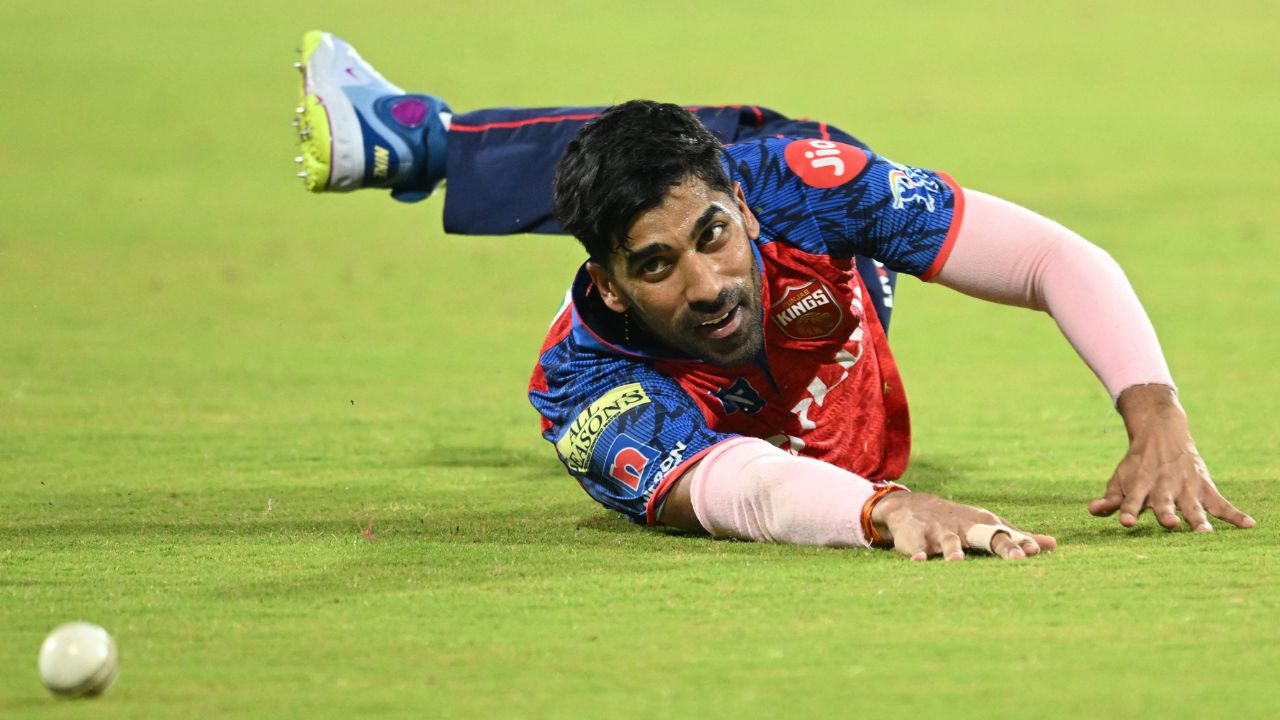
The Unseen Decider of IPL 2026
In the high-octane environment of IPL 2026, the scoreboard is frequently dominated by mammoth totals and towering sixes. However, beneath the surface of these batting fireworks, a more subtle but equally critical narrative is unfolding: the impact of fielding. As the tournament progresses, it has become increasingly clear that fine margins—specifically, the ability to cling onto catches—are the true arbiters of success.
Dropped catches in modern T20 cricket are no longer mere statistical blips; they are game-defining moments. When teams fail to execute simple fielding duties, they provide lifelines to dangerous hitters, often turning manageable middle-overs into explosive phases of carnage. This season, those lapses are serving as the primary difference between tournament contenders and teams languishing at the bottom of the table.
The Shashank Singh and Punjab Kings Struggle
The campaign of the Punjab Kings serves as a stark case study for the cost of poor fielding. The spotlight has frequently fallen on Shashank Singh, whose struggles in the field have mirrored the team’s broader inconsistencies. A particularly defining moment occurred during the clash against Sunrisers Hyderabad, where a costly drop of Heinrich Klaasen proved terminal for the Punjab bowlers. Klaasen, granted a second life, capitalized by smashing 69 off 43 deliveries, propelling his team to a formidable 235.
This was not an isolated incident. With recurring errors from players like Cooper Connolly and Lockie Ferguson, the Punjab Kings have found themselves pinned down. Their catching efficiency currently sits at a troubling 73.6 percent—the second-lowest in the league—contributing directly to a dismal wicket-taking average of 42.88. It is a mathematical reality: when you do not take your chances, you cannot restrict the opposition.
Data Analysis: The Correlation Between Catching and Success
A deeper dive into the numbers reveals a clear divide between the league’s elite and the rest. The top of the points table is populated by sides that prioritize sharp fielding. KKR leads the way with an impressive 88.6% catching efficiency, complemented by Rajasthan Royals (87.2%) and RCB (85.7%). For these teams, the correlation is simple: high catching efficiency leads to consistent breakthroughs and sustained pressure on the opposition.
- KKR: 88.6% efficiency (Leading the charts)
- Rajasthan Royals: 87.2% efficiency (Consistent top 4 contender)
- RCB: 85.7% efficiency (Strong fielding presence)
- Punjab Kings: 73.6% efficiency (Struggling to impact games)
- Delhi Capitals: 64.5% efficiency (Bottom-tier defensive performance)
Conversely, teams like Delhi Capitals and Punjab Kings, hovering at the bottom of the efficiency table, have struggled to maintain a consistent wicket-taking rhythm. Their inability to hold onto catches has forced their bowlers to work twice as hard for every dismissal, leading to fatigue and tactical instability.
Individual Brilliance vs. Collective Discipline
While team statistics highlight a lack of cohesion, individual performers continue to stand out. Wicketkeepers like Jos Buttler and Dhruv Jurel currently top the leaderboard for catches, benefiting from their position behind the stumps, which demands elite reaction times. In the outfield, Dewald Brevis, Heinrich Klaasen, and Devdutt Padikkal have shown the technical precision required to excel under pressure.
However, individual brilliance is not a substitute for collective discipline. A team is only as strong as its weakest link, and as the IPL 2026 season approaches its business end, those teams failing to address their fielding woes will find themselves on the outside looking in. The message for franchises is clear: bats may win matches, but it is the hands in the field that determine who lifts the trophy.
As we move into the final stages of the tournament, the pressure will only intensify. The teams that can rectify these lapses and minimize costly errors will be the ones standing tall. For those that continue to drop catches at critical junctures, the cost may be the ultimate price: an early exit from the tournament.