BCCI Issues Stern Warning to IPL Franchise Owners Over Player Access and Conduct
A New Era of Discipline in the IPL
As the Indian Premier League (IPL) 2026 season continues to captivate audiences, the Board of Control for Cricket in India (BCCI) has taken decisive steps to ensure that the focus remains strictly on the game. In a significant move to reinforce professional discipline and security awareness, BCCI Secretary Devajit Saikia has issued a comprehensive eight-page Standard Operating Procedure (SOP) document to the owners of all ten franchises.
The End of Sideline Interference
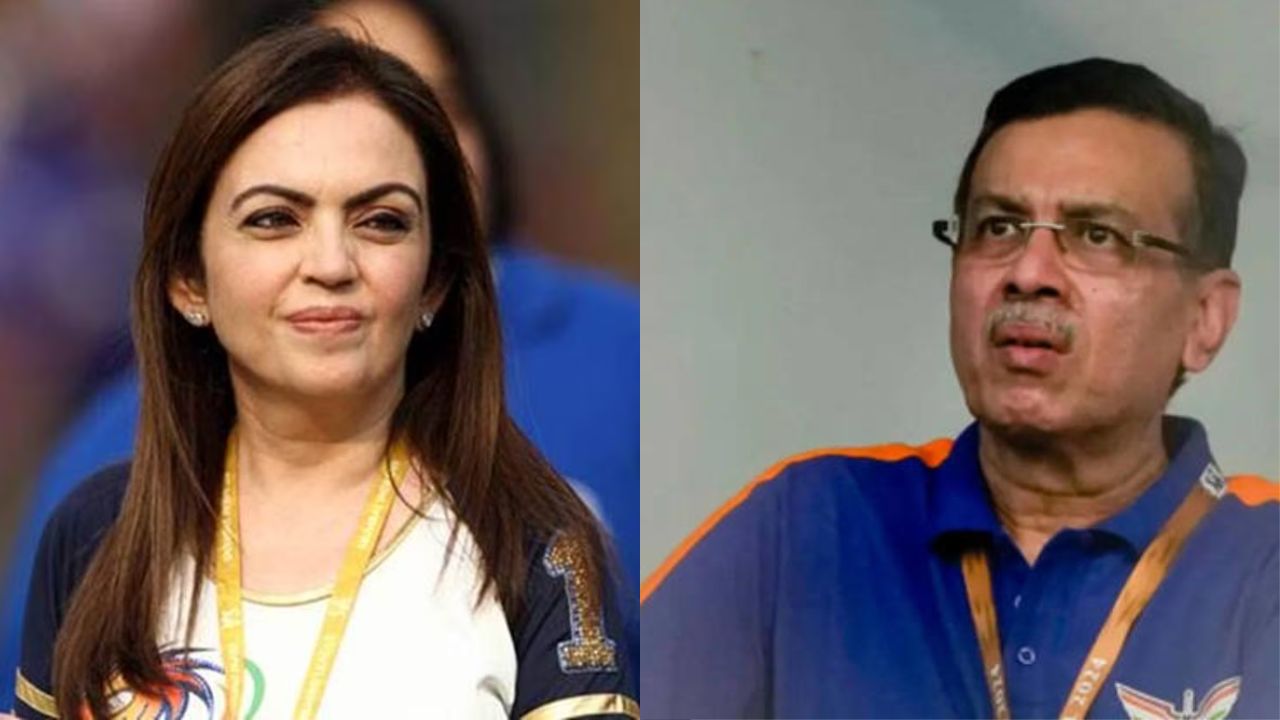
One of the most notable directives in the new SOPs concerns the conduct of franchise owners when they are on the field. The BCCI has observed with growing concern that owners—prominent figures in the business world—have been regularly breaching the Players and Match Officials Access (PMOA) protocol. This includes instances of owners entering restricted zones or attempting to physically interact with players and staff during live match situations.
The official directive states: “Specifically, instances have been observed of IPL franchise owners attempting to communicate with, approach, hug, or otherwise physically interact with players during live match situations. Such conduct, however well-intentioned, directly contravenes established protocol and may constitute interference with team dynamics and match proceedings.”
Mandatory Guidelines for Franchise Owners
To curb this trend, the BCCI has laid out a strict three-point guideline that all franchise management must follow:
- Restricted Access: Franchise owners and their representatives are strictly prohibited from entering the dugout, dressing room, or playing area during the course of a match, unless using designated and approved channels.
- Protocol Adherence: Any access to restricted zones must strictly conform to the PMOA Protocol as set by the IPL Operations Division. Deviations will be treated as serious violations of the tournament rules.
- Accountability: Franchise management is now tasked with ensuring that all owners and their associates are fully briefed on these protocols prior to every match day.
Addressing the ‘Girlfriend Culture’ and Honey Trapping Risks
Beyond the interactions between owners and athletes, the BCCI has also cast a wider net regarding player security. The board has expressed significant concern over the so-called “girlfriend culture” proliferating off the field. While personal lives are generally considered private, the BCCI is concerned that such practices could inadvertently lead to “honey trapping.”
Honey trapping in the world of professional sports is a long-standing concern, often utilized by malicious actors to lure players, coaching staff, or backroom personnel into compromising situations to extract sensitive team information. These corrupt practices are frequently linked to larger match-fixing syndicates. In response, the BCCI has ordered team managers to keep a close watch on player movements and guest visits.
“The BCCI / IPL Operations Team may conduct periodic checks to assess adherence to the directives set forth in this Advisory. Team Managers are required to maintain records of all approved guest visits and hotel movements,” the official BCCI warning noted.
Why the BCCI is Acting Now
This aggressive push for a stricter code of conduct is not happening in a vacuum. Following high-profile incidents, such as the Riyan Parag vaping row and various other breaches of discipline, the board has felt the need to reassert its authority. The objective is clear: the IPL must remain a professional sporting spectacle, free from potential security risks, unauthorized interference, and behaviors that could compromise the integrity of the tournament.
By setting these boundaries, the BCCI is effectively putting every franchise, regardless of the stature of its owners, on notice. The message from the board is simple: the players must be allowed to focus on their performance, and the sanctity of the match environment must be preserved at all costs.
As the season progresses, it will be interesting to see how these regulations are enforced and whether the franchises will fully comply with the new mandates to avoid further disciplinary action from the governing body.