IPL Expansion: BCCI Plans Move to 94 Matches by 2028
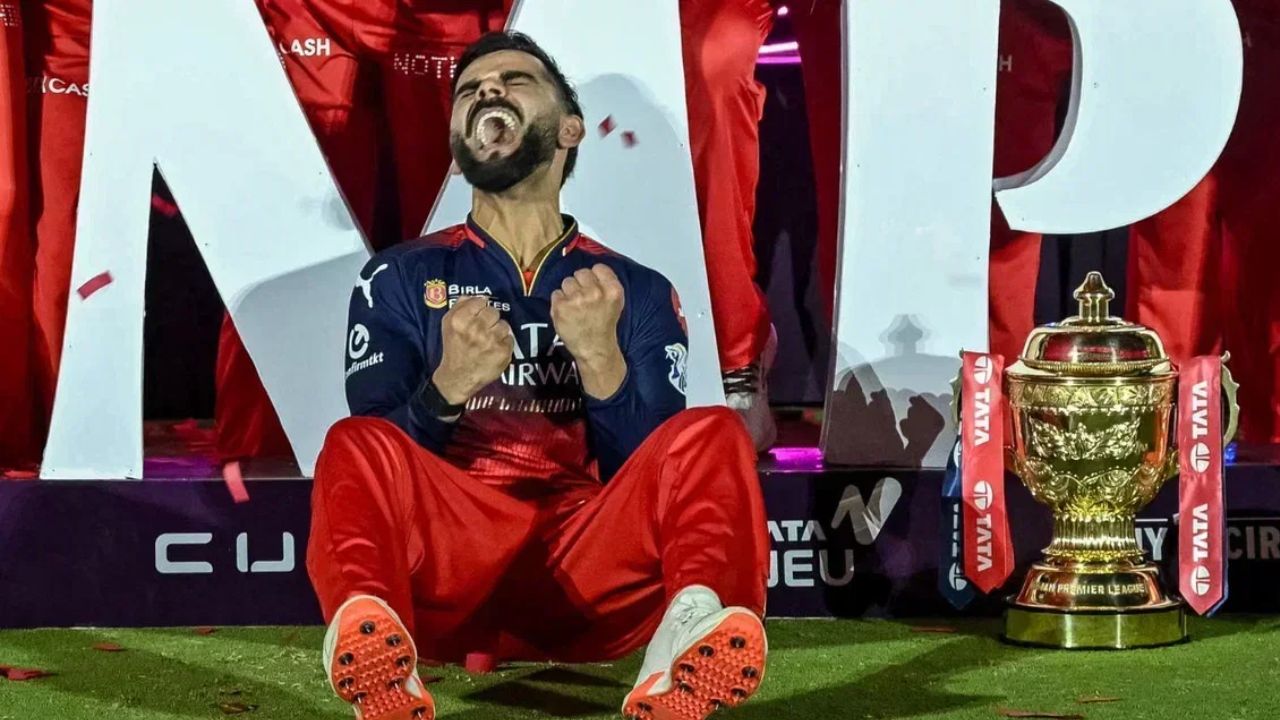
The Future of the Indian Premier League: A Shift in Strategy
The landscape of professional cricket is on the cusp of a major transformation. The Board of Control for Cricket in India (BCCI) has officially signaled its intent to expand the Indian Premier League (IPL) from its current 74-match format to a more robust 94-match season. This ambitious shift, confirmed by IPL chairman Arun Dhumal, is scheduled to take effect from the 2028 season, marking a departure from the current virtual group system that has defined recent iterations of the tournament.

The Move Toward a Traditional Format
At the heart of this expansion is the desire to return to a more traditional, equitable structure. Currently, the IPL utilizes a virtual group system to keep the schedule within a manageable two-month window. Under this model, ten teams are divided into two groups, leading to an unbalanced schedule where teams face some opponents once and others twice. By expanding to 94 matches, the BCCI aims to implement a comprehensive double-legged round-robin system, ensuring that every franchise plays every other team both at home and away. This format, which was a hallmark of the league during its eight-team era, is viewed by the board as the ideal way to determine the true champions of the tournament.
Why 2028? Understanding the Scheduling Constraints
Many fans have questioned why this change is not being implemented immediately. The answer lies in the rigid nature of the ICC Future Tours Programme (FTP). The bilateral cricket calendar is currently locked in until the end of 2027. Consequently, the BCCI is constrained by a 60-65-day window, which is insufficient to accommodate a 94-match slate without causing significant disruption to international cricket schedules. As Arun Dhumal clarified, the board is waiting for the conclusion of the current bilateral cycle to secure a larger window that can comfortably host an expanded tournament.
Stability Amidst Expansion: The 10-Team Cap
While the volume of matches is set to increase significantly, the number of participating franchises will remain stable. Dhumal has confirmed that there are no immediate plans to increase the number of teams beyond the current ten. The goal is to provide a more consistent and competitive product rather than diluting the talent pool. By keeping the number of franchises fixed at ten, the board believes it can maintain the high-stakes environment that has made the IPL a global phenomenon.
Addressing Viewership Trends and Spectator Fatigue
The decision to overhaul the structure comes at a time when the cricket world is closely monitoring viewership trends. Recent data from the 2026 season indicated a noticeable 15-20% dip in viewership during the middle phase of the tournament. The reality of “cricket fatigue” is becoming increasingly evident, as spectators are bombarded with a constant stream of T20 World Cups, bilateral series, and extended franchise seasons. The BCCI hopes that by returning to a home-and-away format, they can restore the sense of narrative continuity that fans associate with classic league sports, potentially mirroring the engagement levels seen in major football leagues around the world.
Looking Ahead: What This Means for Players and Fans
For the players, a 94-match season represents a significantly higher workload, which will likely necessitate deeper squads and advanced rotation policies. For the fans, it promises a more logical and fair path to the playoffs, eliminating the confusion surrounding the current points table dynamics. As the BCCI continues to refine its vision for 2028, the cricket community waits to see how this expanded schedule will redefine the pinnacle of T20 cricket. With the shift finalized, the next few years will be a period of preparation, as the league gears up for a new era of growth and competition.