Babar Azam Back as Pakistan Skipper? Shan Masood’s Fate Sealed After Bangladesh Rout
The first Test match between Pakistan and Bangladesh at the Shere Bangla Stadium in Dhaka concluded with a resounding victory for the home side, leaving Pakistan reeling from a significant 104-run defeat. Chasing a target of 267 runs, the visiting team collapsed dramatically, being bowled out for a mere 163. This crushing loss has not only highlighted Pakistan’s struggles on foreign soil but has also ignited a fierce debate surrounding the leadership of Test captain Shan Masood, with strong indications pointing towards a potential return for former skipper Babar Azam. The ramifications of this defeat extend far beyond the scoreboard, challenging the stability and direction of Pakistan cricket.
The Looming Question of Captaincy: Shan Masood Under Scrutiny
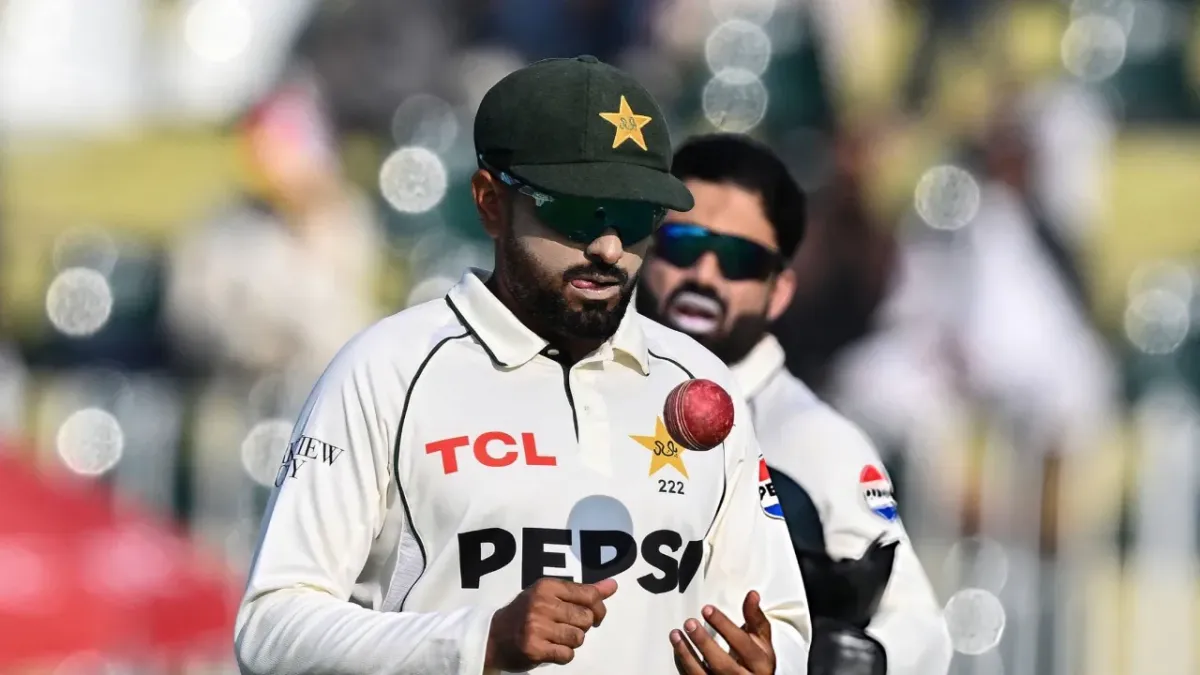
The immediate aftermath of Pakistan’s disheartening performance has placed Shan Masood’s captaincy firmly under the spotlight. Despite being relatively new to the role, the left-handed batter’s leadership has been questioned following a string of inconsistent results. Unnamed sources, speaking to a news agency, have revealed a growing sentiment within the Pakistan Cricket Board (PCB) that a change might be imminent. There is a palpable feeling that Babar Azam, a prominent figure in Pakistani cricket, could be reinstated as the Test captain. Azam, 31, was notably absent from the first Test due to an injury, but his potential return looms large over the series.
Babar Azam’s Potential Return to Leadership
Babar Azam has a significant history leading the national side, having captained Pakistan in 20 Test matches, securing 10 victories for a win percentage of 50%. This experience, coupled with his standing as one of the world’s premier batsmen, makes him a compelling candidate for the role once again. According to Pakistani sources, several key figures within the PCB are reportedly advocating for Azam to reclaim the Test captaincy. The sentiment suggests that if Azam fully recovers from his injury and demonstrates strong form with the bat in the second Test, calls for his return as skipper will undoubtedly intensify. Furthermore, the sources indicate that Azam himself is understood to be ready to embrace the leadership responsibility once more, signaling his willingness to guide the team through this challenging period. The board’s decision will likely hinge on his fitness and performance, as well as the overall team dynamics moving forward.
Bangladesh’s Dominant Display: A Comprehensive Victory
Bangladesh seized control of the first Test with an impressive all-round performance that exposed Pakistan’s vulnerabilities. The home side set a challenging target of 267, which ultimately proved to be far beyond Pakistan’s reach. The architects of Bangladesh’s victory were primarily their bowlers, who maintained relentless pressure throughout Pakistan’s second innings. The visiting batsmen struggled to cope with the precision and aggression of the Bangladeshi attack, crumbling under the weight of the chase. The 104-run margin of victory was a testament to Bangladesh’s strategic planning and execution on their home turf.
Nahid Rana’s Hostile Pace Decimates Pakistani Batting Lineup
The standout performer for Bangladesh was undoubtedly seamer Nahid Rana, whose hostile pace and bounce proved to be a constant menace to the Pakistani batting order. Rana delivered a spellbinding performance, bowling 9.5 overs and claiming five crucial wickets for just 40 runs. His ability to generate genuine speed and extract disconcerting bounce from the pitch kept the Pakistani batsmen on the back foot. Rana’s victims included some of Pakistan’s most experienced players, such as captain Shan Masood, Saud Shakeel, and Mohammad Rizwan, highlighting his impact on the game’s outcome. He completed his impressive five-wicket haul by dismissing Noman Ali and Shaheen Afridi, effectively sealing Bangladesh’s comprehensive win on a brilliant final day. Complementing Rana’s efforts, Mehidy Hasan Miraz also played a vital role, securing his sixth wicket of the match by dismissing Azan Awais for 15 runs.
Pakistan’s Batting Collapse and Individual Struggles
Pakistan’s second innings was marred by a collective batting failure, with key players unable to contribute meaningfully. Opening batsman Imam-ul-Haq continued his poor run of form, departing for a mere two runs, dismissed by Taskin Ahmed. Centurion Azan Awais, who showed promise in the first innings, could only manage 15 before falling to Mehidy Hasan Miraz. The top scorer for Pakistan in the second innings was Abdullah Fazal, who demonstrated resilience by scoring 66 runs, his second fifty in his debut Test match. While Fazal’s performance offered a glimmer of hope, it was not enough to counter the widespread collapse around him. The inability of the middle order and lower order to build partnerships or withstand the Bangladeshi attack ultimately sealed Pakistan’s fate.
The Road Ahead: High Stakes in Sylhet
The second and final game of the series is scheduled to commence on Saturday at the Sylhet International Cricket Stadium. For Pakistan, this match represents a critical opportunity to salvage pride and avoid a humiliating series defeat. The team will be desperate to perform well and secure a victory to end the series with a 1-1 draw. The pressure on the Pakistani side is immense, particularly considering their recent history against Bangladesh. The home team had previously beaten their much-fancied opponents with a convincing 2-0 margin in 2024, a memory that undoubtedly adds to Pakistan’s current predicament.
Shan Masood’s Future on the Line
The outcome of the second Test, coupled with any decisions regarding captaincy, will inevitably have significant consequences for Shan Masood. If Babar Azam does indeed take over the leadership role, it could signify not only the end of Masood’s tenure as captain but potentially his place in the Test squad as a player. The stakes are incredibly high for the entire Pakistani team and its leadership structure.
Captain Masood’s Reflection on the Defeat
Following the game, a visibly disappointed Shan Masood offered his perspective on the team’s performance. He acknowledged the team’s failure to capitalize on crucial moments, stating, “We weren’t able to stamp our authority whenever we got the chance.” While commending the efforts of the bowling unit, he emphasized the challenge of playing on such pitches and the importance of seizing rare opportunities. “We cannot question our bowlers’ efforts,” Masood remarked, “but on pitches like this, the chances don’t come often, and we need to really push the opposition away from the game, which we failed to do.” His words underscore the frustration within the camp and the recognition of fundamental flaws in their execution during the match.
The upcoming Test in Sylhet will be more than just a cricket match; it will be a defining moment for Pakistan cricket, potentially ushering in a new era of leadership and demanding a significant turnaround in performance to restore confidence and pride. The cricketing world will be watching closely to see if Babar Azam indeed makes a return and how Pakistan responds to this profound challenge.