Sanju Samson Emerges as Leading Candidate for India’s Next T20 Captain
The Transition of Indian T20 Leadership
As India reflects on their successful T20 World Cup 2026 campaign on home soil, the focus of the cricketing fraternity has shifted toward the future. With an eye on the 2028 T20 World Cup, discussions regarding leadership stability have taken center stage. Former India head coach Ravi Shastri has weighed in on this pivotal transition, naming Sanju Samson as the standout successor to current captain Suryakumar Yadav.
 While speculation had previously surrounded various senior players, the shifting dynamics within the Indian squad suggest a new era is on the horizon. Shastri’s endorsement of Samson marks a significant departure from the names that dominated previous leadership discourse.
Samson’s Heroics: A Catalyst for Leadership
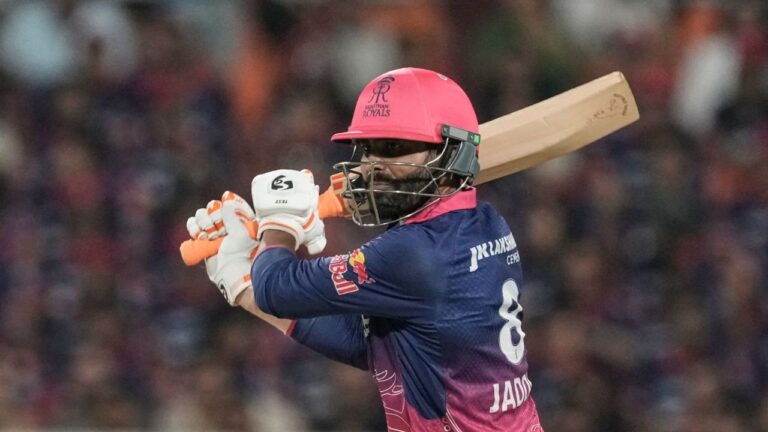
Sanju Samson’s claim to the captaincy is built on a foundation of exceptional performance during the 2026 T20 World Cup. His ability to deliver under extreme pressure was on full display throughout the tournament. Notably, his role in the high-stakes encounter against the West Indies at Eden Gardens proved to be a turning point for the Men in Blue, securing their path to the semi-finals.
Statistically, Samson was a force of nature. Accumulating 321 runs across five appearances, he maintained an extraordinary average of 80.25 alongside a blistering strike rate of 199.37. His consistency and sheer dominance at the crease earned him the Player of the Tournament title, cementing his status as a match-winner.
Ravi Shastri’s Strategic Endorsement
Speaking on The ICC Review, Ravi Shastri articulated why he views Samson as the ideal candidate to lead India in the coming years. Shastri emphasized that while Suryakumar Yadav remains the current incumbent, the board must plan for the long term.
“India, come the next T20 World Cup in 2028, might be looking for a new captain, depending on how Surya performs over the next couple of years,” Shastri noted. “But Sanju Samson has put himself there for a leadership role because he’s done that in the past for Rajasthan Royals. He is a certainty in the side, at the top of the order, and is extremely destructive. I see this as just the start of what Sanju brings to the table.”
Moving Past Old Hurdles
Shastri addressed the long-standing criticisms regarding Samson’s occasional inconsistency. He argued that the maturity displayed by the batter during the 2026 World Cup and the ongoing IPL season effectively silences any lingering doubts. According to the former coach, the days of questioning Samson’s ability to translate talent into results are over. “The way he stepped up in the big games—the quarter-finals, semi-finals, and the final—makes him a clear case for leadership in the future,” Shastri asserted.
The Decline of Other Contenders
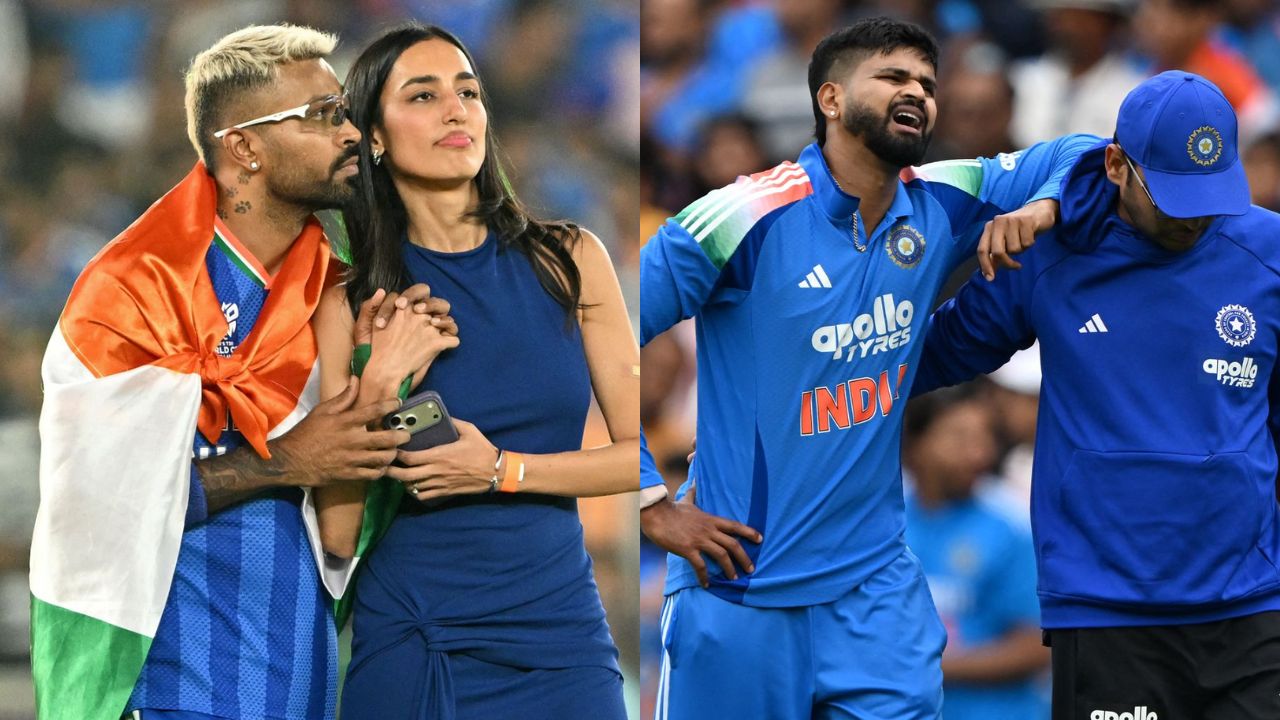
The push for Samson occurs as the paths for other potential candidates, specifically Shreyas Iyer and Hardik Pandya, appear increasingly narrow. Both players have faced significant hurdles that have complicated their standing within the national setup.
- Hardik Pandya: His tenure as a captaincy prospect has been hampered by a history of chronic injury issues and inconsistent form. These factors have made him an unlikely candidate for the leadership role in either white-ball format.
- Shreyas Iyer: Iyer’s exclusion from the national contract and his recent absence from the selection pool have created a substantial barrier to his return to a leadership position within the T20 structure.
While Shreyas Iyer remains a talking point for the ODI format, the T20 landscape seems to be leaning heavily in favor of a fresh, more consistent approach led by Samson. As the Indian team prepares for the challenges leading up to 2028, the endorsement from a figure as influential as Ravi Shastri provides a clear blueprint for the selectors to follow.
With Samson currently leading the batting charge for the Chennai Super Kings in the IPL, his form remains robust. Holding an average of 53 and a strike rate of 169.29, he is demonstrating exactly the kind of maturity and aggressive intent that the Indian team requires in its next generation of leadership.