Why BCCI Snubbed Bengaluru for IPL 2026 Final: The Ticket Controversy Revealed
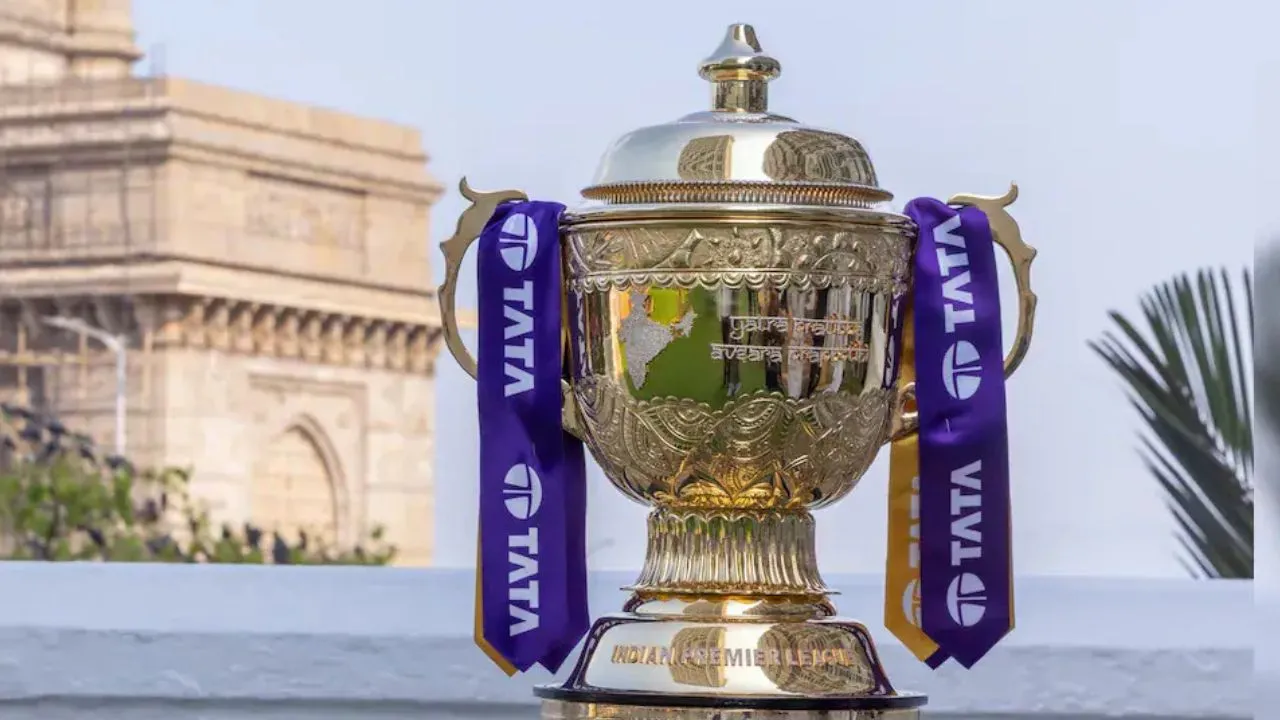
The IPL 2026 Venue Controversy
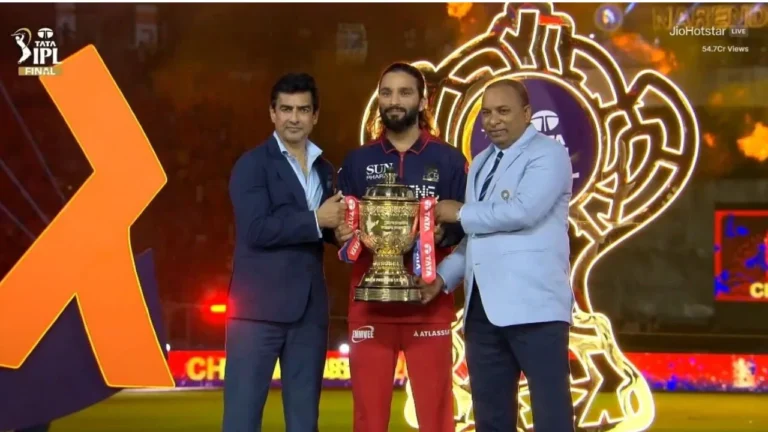
In a move that has sent shockwaves through the cricketing community, the Board of Control for Cricket in India (BCCI) has officially bypassed the M. Chinnaswamy Stadium in Bengaluru for the IPL 2026 play-off matches. While the Royal Challengers Bengaluru (RCB) entered the season as the defending champions—a status that traditionally secures home hosting rights for the final stages—the board ultimately decided to take the showpiece event to the Narendra Modi Stadium in Ahmedabad.
Alongside Ahmedabad, the BCCI selected the HPCA Stadium in Dharamshala and the New International Cricket Stadium in New Chandigarh to host the final four matches of the season. This development has left many fans wondering why one of India’s most iconic cricket venues was left entirely out of the equation.
The Ticket Allocation Standoff
The primary driver behind this decision, according to reports, centers on a significant disagreement regarding ticket distribution. The BCCI places a high priority on accessibility for the general public, aiming to maximize ticket availability for everyday cricket fans. However, the dynamics in Bengaluru created a hurdle that the board found difficult to overcome.
Reports suggest that the Karnataka State Cricket Association (KSCA) requested a massive portion of the stadium’s capacity. Out of the 35,000 available seats at the M. Chinnaswamy Stadium, the KSCA reportedly sought to reserve nearly 30,000 tickets for state officials, including local MLAs. This left the BCCI with a mere 5,000 tickets to distribute to the general public and stakeholders, a ratio that the board deemed unacceptable for a high-profile final.
BCCI Secretary Speaks Out
BCCI Secretary Devajit Saikia has shed further light on the board’s stance regarding hosting protocols. In a recent media interaction, Saikia clarified that there is a standard operating procedure for every state hosting association.
“The normal protocol is that all state hosting associations get 15% of the total capacity as complimentary tickets,” Saikia explained. “However, we have learned from various sources that during the hosting of IPL league matches, the Karnataka State Association has been taking significantly more than that 15% allocation.”
This discrepancy in ticket demand versus standard protocol created an environment where the BCCI felt unable to proceed with the Chinnaswamy Stadium as a neutral or host venue for the final. The board’s commitment to ensuring that the marquee IPL finale is accessible to the broader fan base seems to have necessitated this difficult move.
The Play-off Venue Selection Process
Traditionally, the IPL play-off structure dictates that the previous year’s champions and the runners-up share the responsibility of hosting the final four matches. With RCB holding the title, the local fan base was anticipating at least one, if not two, home games during the play-offs. The decision to shift these matches away has undeniably disappointed the Bengaluru faithful.
While the KSCA has expressed reservations regarding the BCCI’s reasoning, maintaining that their ticket requirements were misunderstood, the board’s decision remains final. The move underscores a growing trend where the BCCI is tightening its grip on administrative compliance, ensuring that local associations adhere to strict guidelines regarding ticket distribution and stadium management.
Looking Ahead to the Final
As the IPL 2026 season reaches its crescendo, the focus now shifts to Ahmedabad. The Narendra Modi Stadium, with its vast capacity, is well-equipped to handle the overwhelming demand that accompanies the IPL final. While the absence of a play-off game in Bengaluru remains a point of contention, the BCCI is clearly signaling that the integrity of ticket distribution and the fan experience remain their highest priorities.
The controversy serves as a reminder of the complexities involved in managing the world’s most lucrative cricket league. As the sport continues to grow, the balance between regional association influence and central board oversight will remain a critical aspect of IPL administration. For now, the cricketing world turns its eyes to Ahmedabad, awaiting the crowning of the 2026 champion.