Pandey: ‘Harmanpreet Kaur’s strike rate is a cause for concern’ for India
The Captain’s Conundrum: A Critical Look at India’s Batting
As the T20 World Cup intensifies, the performance of India’s batting lineup has come under intense scrutiny. Among the various points of discussion, the form of skipper Harmanpreet Kaur stands out. With the team needing consistent performances to reach the semi-finals, cricket experts are dissecting what has gone wrong in the middle overs. Shikha Pandey, speaking on JioStar’s Game Plan, did not mince words when she noted that Pandey: ‘Harmanpreet Kaur’s strike rate is a cause for concern’ for India’s middle order.
The Challenge of the Middle Order
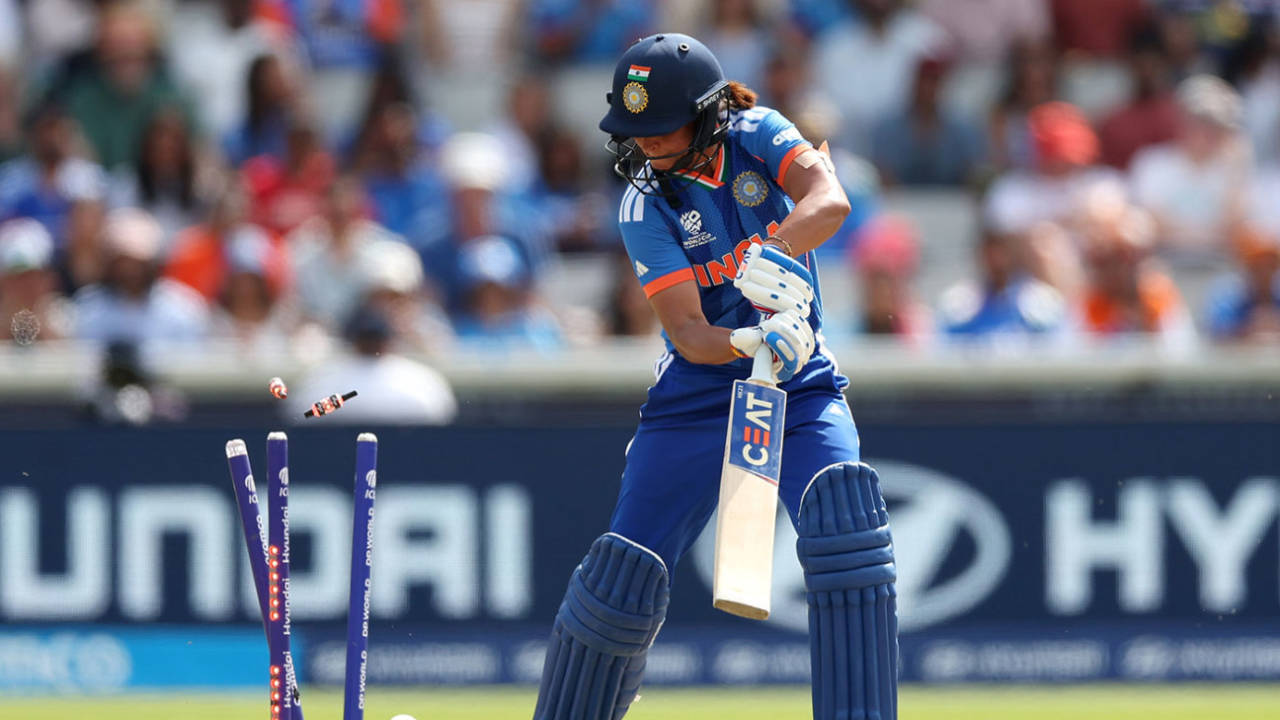
Harmanpreet Kaur has struggled to find her rhythm in the current tournament, accumulating 72 runs across three matches at a strike rate of 109.09. This dip in scoring pace, particularly during critical middle-order phases, has hindered India’s ability to capitalize on starts. Pandey suggests that the issue might be psychological rather than technical. The captain often finds herself in a ‘rescue mode,’ walking into the crease after early wickets have fallen, which forces her to adopt a cautious approach rather than unleashing her natural, attacking prowess.
“Whenever a wicket falls, there is an immediate tendency to rebuild the innings,” Pandey observed. “But the reality is that when Harmanpreet Kaur is on song, she is a completely different player. She needs to stop worrying about the wickets that have fallen around her and trust her ability to change the game once she is set.”
Tactical Adjustments and Role Clarity
The recent clash against South Africa exposed the fragility of India’s current batting structure. A pivotal moment included the shuffling of the order, where Jemimah Rodrigues moved from No. 3 to No. 5. This lack of stability appeared to disrupt the momentum, as the trio of Yastika Bhatia, Jemimah Rodrigues, and Harmanpreet Kaur managed only 51 runs off 49 balls combined. The lack of significant partnerships—the highest being only 33—underscores the need for a more rigid and understood batting hierarchy.
Former India batter Veda Krishnamurthy weighed in on this, advocating for clear roles within the squad. “For Jemimah, I would still like to see her bat at number three. Just give her one role because it makes it a lot easier to prepare that way. The minute you say, ‘Be flexible,’ players often become unsure whether to be ready from the first ball or later in the innings. It gets difficult for a batter to find their flow,” Krishnamurthy stated.
Bright Spots Amidst the Struggle
While the batting has faced criticism, the bowling unit has provided plenty of positives. Shikha Pandey was particularly effusive in her praise for young left-arm spinner Shree Charani, who has been a revelation in this tournament. With ten wickets in just three matches, Charani has become an indispensable asset for the team.
“The way Shree Charani has bowled in tandem with Deepti Sharma has been great to watch,” Pandey noted. “Her variation in pace is excellent, and her ability to keep the stumps in play is phenomenal. The ball she delivered to dismiss Annerie Dercksen was a masterclass in left-arm spin, pitching perfectly to dismantle the off stump.”
The Road Ahead
India now finds itself in a precarious situation. With their upcoming clash against Bangladesh on the horizon, the team is acutely aware that they must win their remaining group-stage fixtures to keep their semi-final dreams alive. Beyond just winning, the team will need to manage their net run rate (NRR) effectively, which puts even more pressure on the middle order to stop being cautious and start accelerating.
For Harmanpreet Kaur, the challenge is clear: shed the weight of expectation, stop playing for survival, and return to the aggressive, free-flowing cricket that made her one of the most feared batters in the world. As the tournament reaches its business end, India’s success will likely depend on whether their leader can find that spark again.