SLC relieved at ICC’s mild response to Transformation Committee
A Sigh of Relief for Sri Lankan Cricket
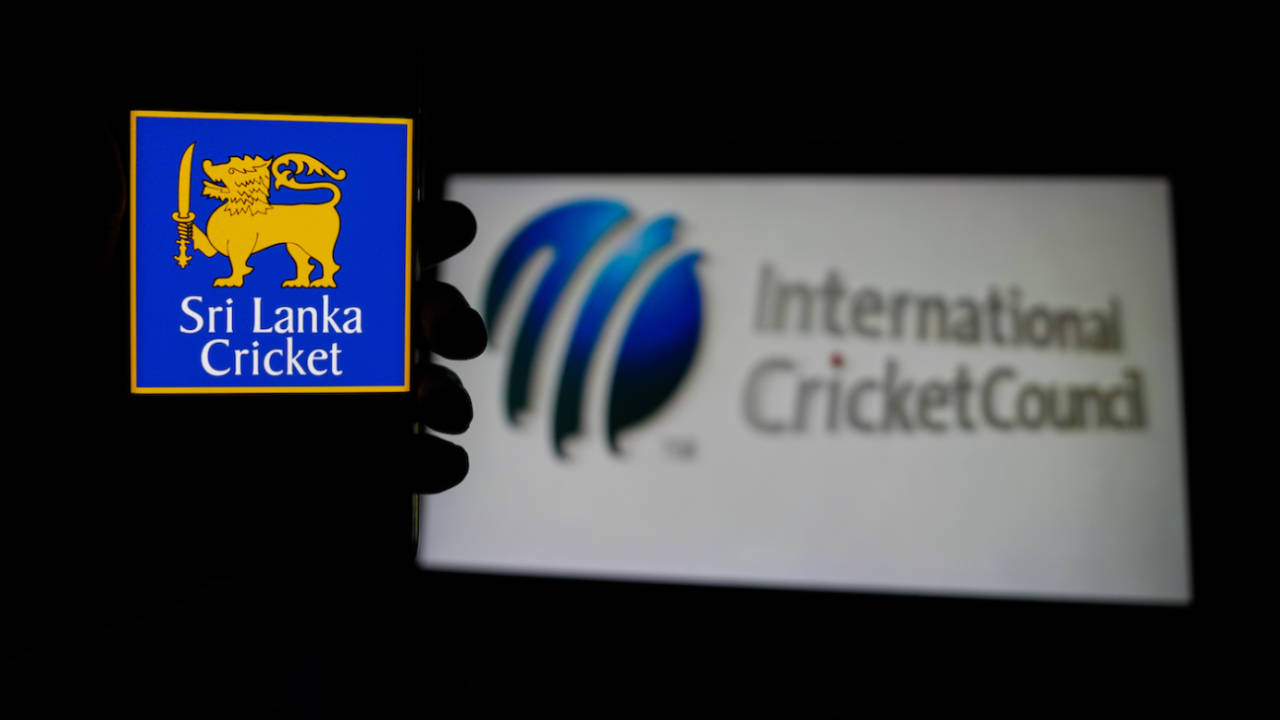
The corridors of Sri Lanka Cricket (SLC) have been filled with a cautious sense of optimism this week. Despite being notably absent from the recent International Cricket Council (ICC) quarterly meeting held in Ahmedabad, officials within the newly formed Transformation Committee are quietly celebrating a significant development: the absence of punitive measures from the global governing body.
The Transformation Committee and Government Intervention
The current Transformation Committee was established by the Sri Lankan government in May, effectively sidelining the previously elected SLC office-bearers. This move came after years of historical friction between the ICC and Sri Lanka regarding government influence in sporting affairs. In both 2015 and 2023, the ICC took a firm stance against similar interventions, leading to sanctions that left the nation’s cricket administration in turmoil.
Given this history, the appointment of the committee was met with intense speculation. The ICC had previously suspended SLC from its board in late 2023, citing excessive overreach by the nation’s sports minister. Consequently, many observers anticipated a repeat of those disciplinary actions during the most recent gathering of the ICC board.
No News is Good News
Despite the high stakes, the expected crackdown did not materialize. While the ICC dispatched deputy chair Imran Khwaja to Colombo in May for a fact-finding mission, the subsequent board meeting concluded without any formal sanctions related to the government’s structural changes. A member of the Transformation Committee, speaking on the condition of anonymity, remarked, “So far what we feel is that no news is good news.”
The only official acknowledgment from the ICC regarding the situation in Colombo was a brief statement: “In Sri Lanka, ICC Deputy Chair Imran Khwaja and Devajit Saikia (BCCI) have visited and met with relevant stakeholders to assess ongoing developments.” This measured approach suggests that the ICC is currently observing the situation rather than rushing into confrontation.
Defining the Path Forward
At the helm of this transition is Eran Wickramaratne, the chair of the Transformation Committee and a former politician. His mandate is clear: to overhaul the archaic constitution of Sri Lanka Cricket to ensure it aligns better with modern expectations and the needs of the Sri Lankan public. Wickramaratne has emphasized a consultative approach, suggesting that the primary objective is to incorporate the voices of the people and various stakeholders into the new governing framework.
“Even in the debates in parliament, which were not driven by party loyalties, it has been acknowledged that there has to be a change at Sri Lanka Cricket,” Wickramaratne stated. “The job we have is to change the SLC constitution. The stakeholders in that change are the Sri Lankan people. The people can give their ideas. Other stakeholders can also express their ideas. We thought our first role is to listen to those ideas.”
Looking Toward Future ICC Engagement
The lack of sanctions has provided the Transformation Committee with much-needed breathing room to execute their reform plans. However, the committee is keenly aware that full integration into the ICC’s international schedule and governance discussions is essential for the long-term health of the sport in the country. The current SLC leadership remains hopeful that members of the Transformation Committee will be extended invitations to future ICC meetings, allowing them to present their vision for the future of the game.
As the situation develops, the cricket world remains watchful. The ICC has not yet responded to inquiries regarding when SLC representatives might return to the negotiating table, but for now, the stability provided by the ICC’s non-punitive stance is a significant victory for those pushing for structural reform in Sri Lankan cricket.