Vikram Solanki blames Ashish Nehra for costly Nishant Sindhu mistake in IPL 2026
The Tactical Gamble That Defined the IPL 2026 Final
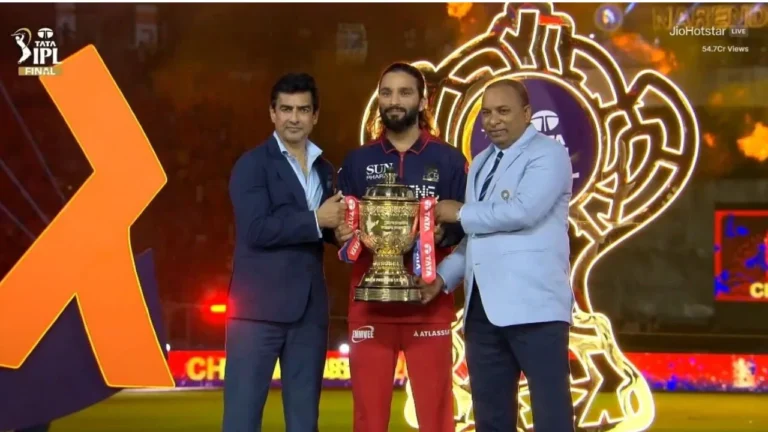
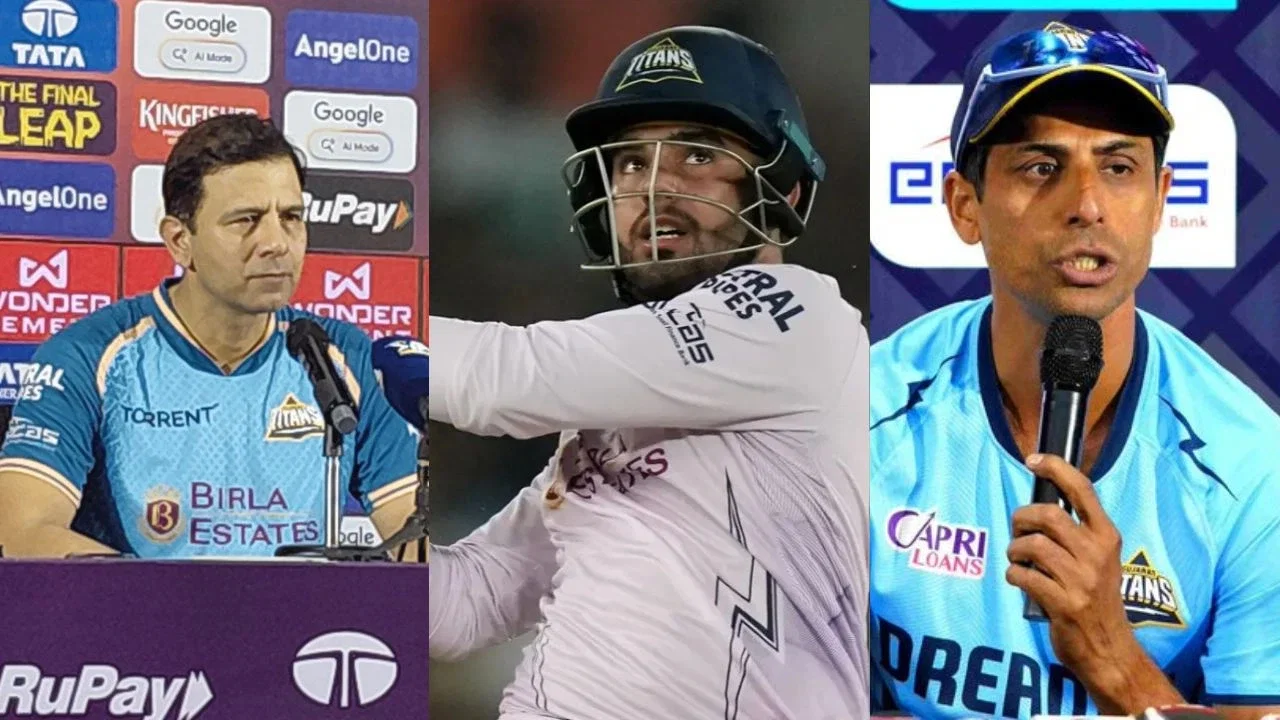
The conclusion of the IPL 2026 season left the cricketing world buzzing, not just because of Royal Challengers Bengaluru’s spectacular victory, but due to the controversial strategic choices made by the Gujarat Titans (GT) management. The most significant talking point to emerge from the summit clash at the Narendra Modi Stadium was the decision to promote young batter Nishant Sindhu to the number three position, leaving global superstar Jos Buttler waiting in the wings. Following the disappointment of the loss, the air of accountability shifted quickly, as Vikram Solanki blames Ashish Nehra for costly Nishant Sindhu mistake in IPL 2026, shedding light on the internal decision-making process of the franchise.
A Questionable Promotion at a Crucial Juncture
The stage was set for a high-intensity chase. Following the early dismissal of captain Shubman Gill, who contributed only 10 runs, the Gujarat Titans needed stability and experience. Under normal circumstances, the arrival of Jos Buttler at the crease would have been the natural progression to consolidate the innings. However, the team leadership opted for a different path, sending out the relatively inexperienced Nishant Sindhu.
Sindhu’s stay at the crease, while well-intentioned, failed to provide the momentum the team required. He managed 20 runs off 18 deliveries, including three boundaries, before his innings was cut short in the eighth over. A mistimed pull shot off Rasikh Salam saw him caught by Devdutt Padikkal, leaving the Gujarat Titans struggling at 55/3. The pressure shifted instantly to the middle order, and the momentum of the game began to slip away from the Titans.
De Villiers Weighs In
The tactical shift did not go unnoticed by experts. Former South African batting maestro and RCB legend AB de Villiers was highly critical of the move. During the live broadcast, De Villiers did not mince his words, labeling the decision as inherently defensive. He questioned the logic behind holding back a player of Buttler’s caliber during such a high-stakes moment, arguing that in a final, your best players should be facing the most deliveries.
Internal Accountability and the Coaching Call
In the post-match press conference, the question of who authorized the batting shuffle was brought to the forefront. Vikram Solanki, the Director of Cricket, addressed the matter with a candor that surprised many observers. He confirmed that the decision was not a collective group discussion but rather a specific directive from the head coach.
“We didn’t really discuss it, but Ashish makes those calls now and again, if the captain’s around, in conjunction with the captain,” Solanki explained. He further clarified, “Nishant Sindhu, that was a bit of a judgement call. Ashish made that call to send him in at three at that time.” This confirmation has effectively placed the weight of the tactical failure squarely on the shoulders of the coaching staff, specifically highlighting how the internal hierarchy functions during the intensity of a championship final.
The Aftermath and Future Reflections
When Jos Buttler did eventually arrive at the crease, he struggled to find his rhythm, scoring 19 runs off 23 balls. The Gujarat Titans were eventually restricted to a total of 155/8, a target that proved to be insufficient against a determined RCB side. While the defeat was painful, Solanki remained graceful in his assessment of the overall performance.
“First and foremost, congratulations to RCB. As far as our campaign is concerned, we’re immensely proud as a group of what we’ve achieved,” Solanki stated. He acknowledged that the team fell short of a winning total, estimating they were roughly 20-25 runs behind where they needed to be to truly pressure the opposition. Despite the technical errors and the criticism surrounding the batting order, Solanki emphasized the fighting spirit the team demonstrated until the final delivery.
As the dust settles on the IPL 2026 season, the decision-making process during the final will likely serve as a case study for the franchise. Whether the strategy was a calculated risk that failed or a lapse in judgement remains a topic of hot debate, but one thing is certain: the conversation surrounding how the Gujarat Titans missed their opportunity will continue to resonate for some time.