When Ajinkya Rahane Accused Credit Stealing After India’s Historic BGT Win
The Unfolding Controversy: Reflecting on the 2021 Border-Gavaskar Trophy
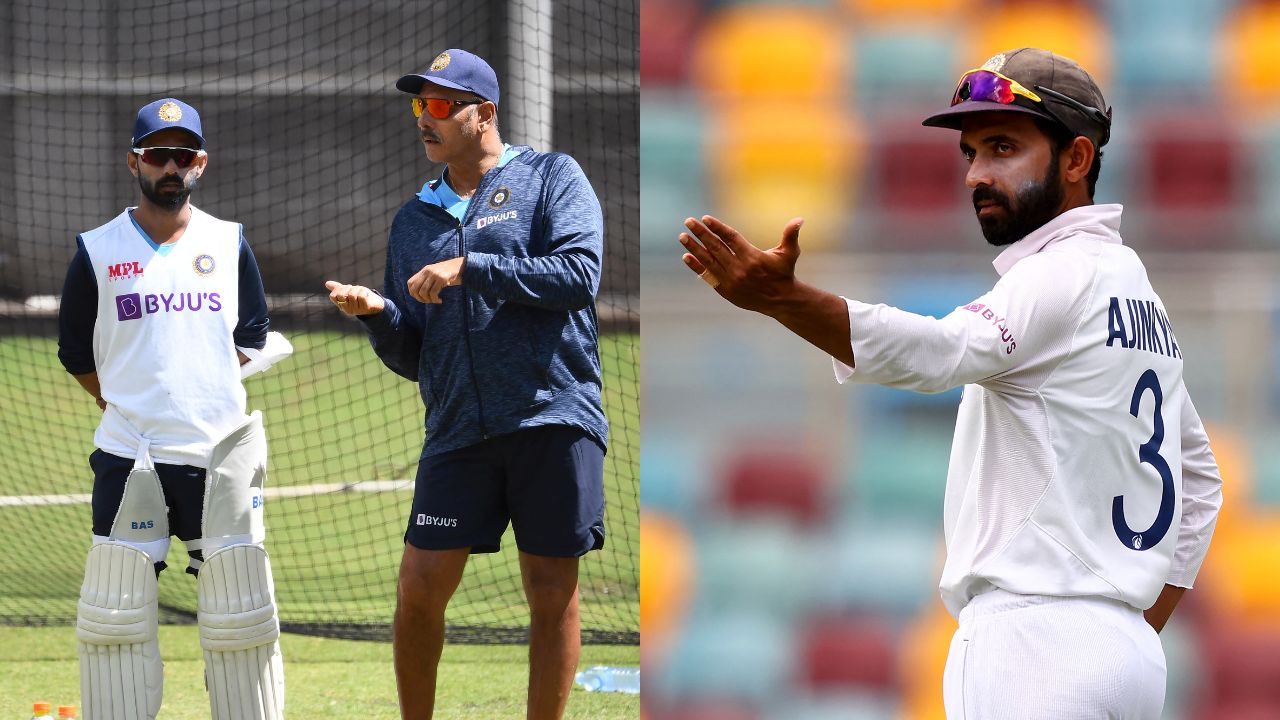
In the annals of Indian cricket, the 2021 tour of Australia remains a watershed moment. Faced with adversity, injuries, and the absence of regular captain Virat Kohli after the infamous ’36 all out’ in Adelaide, the team mounted an incredible comeback. Leading this resurgence was Ajinkya Rahane, whose calm demeanor and tactical acumen steered India to a historic 2-1 series victory. However, the legacy of that win has been complicated by subsequent revelations.
The discourse resurfaced recently, reminding fans of the instance When Ajinkya Rahane Accused Credit Stealing After India’s Historic BGT Win. It is a topic that invites us to look beyond the scoreboard and examine the complex dynamics within the Indian dressing room during that challenging tour.
The Allegations of Stolen Credit
Months after the dust had settled on the victory, Ajinkya Rahane spoke candidly on the show ‘Backstage with Boria’. The middle-order batter expressed his disappointment regarding the narrative that was constructed around the team’s decision-making process. Rahane felt that despite his role as the captain on the field, the credit for key tactical shifts was often misattributed to others.
Rahane stated, “I know what I’ve done there. I don’t need to tell anyone. That’s not my nature to go and take credit. Yes, there were some things that I took the decisions on the field or in the dressing room but someone else took the credit for it.” He further remarked on the media cycle that followed, noting how some individuals were quick to claim ownership of decisions that he had steered while leading the side.
Ashwin, Rohit, and the Gabba Tactical Debate
The conversation regarding leadership dynamics gained further traction due to comments made by veteran spinner Ravichandran Ashwin. In an interaction during the ESPNCricinfo awards, Ashwin provided insight into the final day of the series-deciding Brisbane Test. While the world celebrated the chase of 328, Ashwin revealed a internal divergence in philosophy.
According to Ashwin, then head coach Ravi Shastri was leaning toward playing for a draw given the match situation, while Rohit Sharma—who was acting as a senior leader—was a strong proponent of pushing for the win through Rishabh Pant. Ashwin’s anecdote served as an indirect testament to the influence Rohit exerted, which, in the eyes of some observers, seemed to overshadow the captain’s official role.
A Historic Captaincy Campaign
To understand the depth of these claims, one must revisit the challenges Rahane faced. Taking charge after the Adelaide collapse, Rahane provided a stable hand. Under his leadership, India won the second Test at the Melbourne Cricket Ground (MCG), a performance that immediately leveled the series and restored belief in the squad.
The third Test at the Sydney Cricket Ground (SCG) was a masterclass in resilience, with a fighting draw secured by the marathon efforts of Hanuma Vihari and Ravichandran Ashwin. Finally, the Brisbane Test saw a depleted Indian side chase down a record target. While Rishabh Pant played the innings of a lifetime, and Shubman Gill provided the foundation, Rahane’s own quick-fire 24 off 22 balls served as a catalyst for the final push.
Why the Conversation Matters
The resentment Rahane voiced highlights a fundamental tension in modern cricket: the balance between the official captaincy and the behind-the-scenes influence of coaches and senior players. While collective success is the primary goal of any international team, the acknowledgment of leadership is vital for the morale of those tasked with the responsibility of leading the side on the field.
As time passes, the 2021 tour will continue to be remembered as a monumental victory for Indian cricket. Yet, the story of how that team functioned internally, and the subsequent friction regarding who truly drove the decision-making process, remains a compelling chapter of the saga. Whether these issues were merely growing pains of a successful squad or deep-seated systemic tensions, they add a layer of complexity to one of the most celebrated victories in the history of the sport.