Sachin Tendulkar proposes massive T20 and IPL change; wants Impact Player rule scrapped
Restoring Equilibrium to the Gentleman’s Game
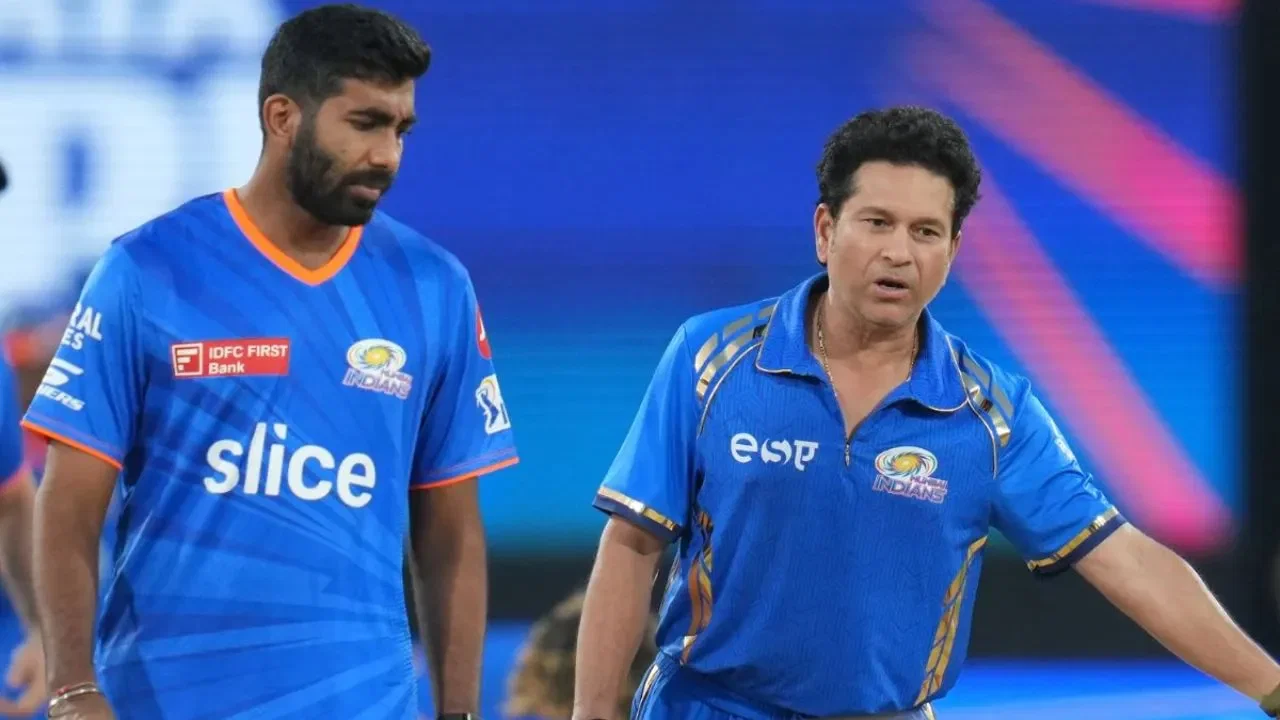
Throughout his illustrious career, Sachin Tendulkar has witnessed the sport of cricket evolve from a traditional test of endurance into a high-octane spectacle. While the evolution has brought excitement and global viewership, the Indian legend believes that the pendulum has swung too far in favor of the batters. In a significant intervention, Sachin Tendulkar proposes massive T20 and IPL change; wants Impact Player rule scrapped, arguing that the current structure of T20 cricket compromises the fundamental balance of the sport.
The Impact Player Rule Under Scrutiny
The introduction of the ‘Impact Player’ rule in the Indian Premier League (IPL) was designed to inject tactical depth and intensity into the game. However, critics, including Tendulkar, argue that it has unintentionally marginalized the role of specialist bowlers. By allowing teams to substitute a player mid-match to bolster batting depth, the rule essentially encourages teams to play with an extra specialist batter, thereby weakening the bowling attack.
Tendulkar has been vocal in his belief that for the betterment of the format, this rule should be removed from both the IPL and other T20 leagues worldwide. The removal of this rule would force teams to rely on their primary playing eleven, compelling captains to utilize their bowlers more strategically rather than relying on a late-game substitution to mask shortcomings.
Empowering the Bowlers
Beyond the removal of the Impact Player rule, Tendulkar suggests structural adjustments to T20 matches that would grant bowlers a fairer chance to influence the outcome of a game. A recurring theme in his analysis is the need to increase the wicket-taking potential of the bowling side, which he feels is currently stifled by overly restrictive rules.
- Increasing Overs for Leading Bowlers: Tendulkar has proposed allowing at least one bowler to bowl up to five overs in an innings. This change is aimed at rewarding the most effective bowlers, giving them more room to maneuver, and providing them with a greater opportunity to dismantle the batting lineup.
- Redefining Powerplay Restrictions: Currently, powerplays are heavily skewed towards the batters. To counter this, the legendary cricketer suggests splitting the powerplay into two distinct segments. By providing the bowling side with a ‘bowler-friendly’ powerplay phase where they can place an additional fielder on the boundary, the game would naturally move toward a more competitive state.
The Need for Tactical Evolution
The suggestions put forward by Tendulkar reflect a deep-seated desire to see T20 cricket grow as a sport of skill rather than just power hitting. When bowlers are reduced to ‘target practice’ for top-order batsmen, the strategic nuance of the game is lost. By allowing bowlers to reclaim some authority, the game becomes more unpredictable and, consequently, more engaging for the audience.
Furthermore, these proposed changes are not merely about making the game harder for batters; they are about elevating the standard of cricket played. When a bowler is given the confidence and the extra overs to change a game, it highlights the technical brilliance of the sport—the art of swing, spin, and deception that defines cricket history.
Looking Ahead
While the IPL has been a massive success, the long-term sustainability of the T20 format depends on its ability to keep the contest competitive. Whether the cricket boards will adopt these suggestions remains to be seen, but the voice of a player as experienced and respected as Tendulkar carries significant weight. As the conversation around T20 regulations continues to grow, it is clear that the focus must remain on ensuring that every ball delivered holds as much significance as every run scored.
As the landscape of world cricket continues to adapt to the demands of modern fans, the wisdom of those who have mastered the game at the highest level provides a crucial roadmap. If the objective is to keep the game vibrant and competitive for future generations, restoring the balance between the bat and the ball is not just a suggestion; it is a necessity.